
-
Article
Brief
Meeting Notes
Presentation
Poster
Report
Toolkit
Video
Webinar
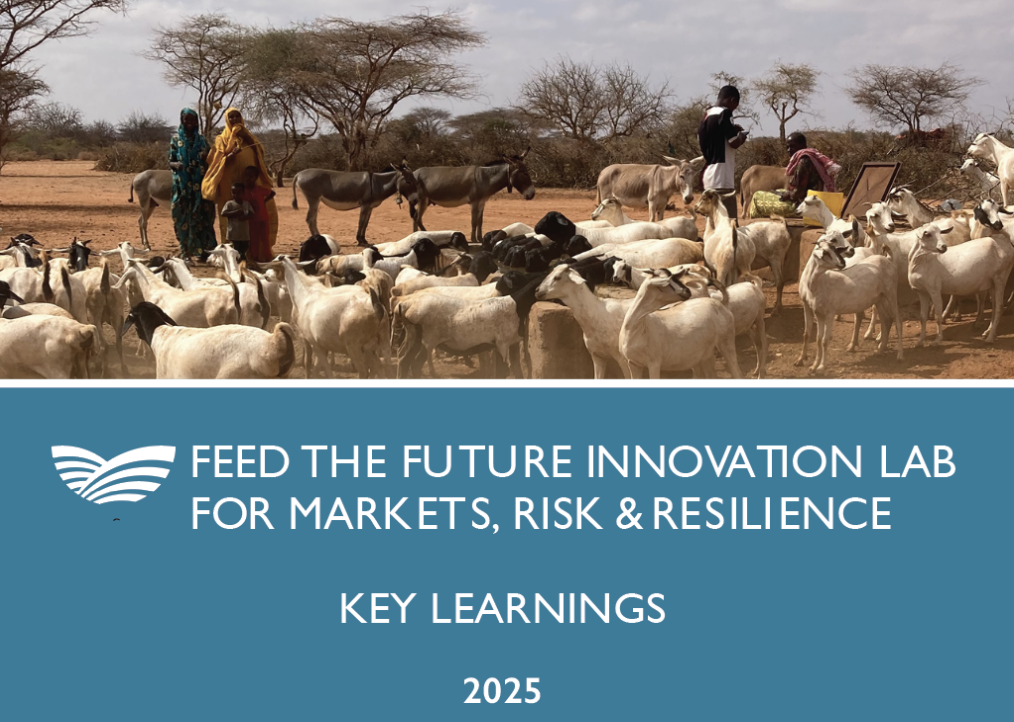
Feed the Future Innovation Lab for Markets, Risks, and Resilience — Key Learnings
This report describes the Feed the Future Innovation Lab for Markets, Risk & Resilience (MRR)’s contributions to (economic) knowledge surrounding small-scale agricultural households in developing countries. MRR research has deepened knowledge around entrenched development challenges and promising innovations for risk management and uptake of productivity-enhancing agricultural technologies.
President’s Malaria Initiative: 2024 Country Fact Sheets
The President’s Malaria Initiative (PMI) is credited with helping to save 11.7 million lives and prevent 2.1 billion malaria cases since 2000. Indeed, since 2006, in countries where PMI works, global efforts have supported a 29% decrease in malaria case rates and a 48% decline in deaths. The introduction of two malaria vaccines in 2021 and 2023 has increased optimism in the potential to further strengthen global malaria control.
Phase I Final Report June 25, 2019 – June 24, 2024: Feed the Future Innovation Lab for Food Safety
This report presents progress over the first five-year phase of the Feed the Future Innovation Lab for Food Safety (June 25, 2019 – June 24, 2024). The Food Safety Innovation Lab (FSIL), managed by Purdue and Cornell Universities, has leveraged global food safety expertise in locally-led projects that address the root causes of foodborne illness. Phase I FSIL projects were designed to create systemic change to strengthen household and community nutrition, food security, and economic opportunity by identifying food safety knowledge gaps, supporting data-driven food safety practices and policies, and strengthening local food safety capacity.
Youth Workforce Development Through Sustainable Systems Report
The United States Agency for International Development (USAID) seeks to increase its understanding of effective approaches for supporting improved, scaled, and sustainable youth workforce development (YWFD) outcomes in low- and middle-income countries (LMICs). USAID commissioned the Better Youth Workforce Development Outcomes Through Sustainable Systems Reform buy-in activity through its YouthPower2: Learning and Evaluation (YP2LE) Activity implemented by Making Cents International.
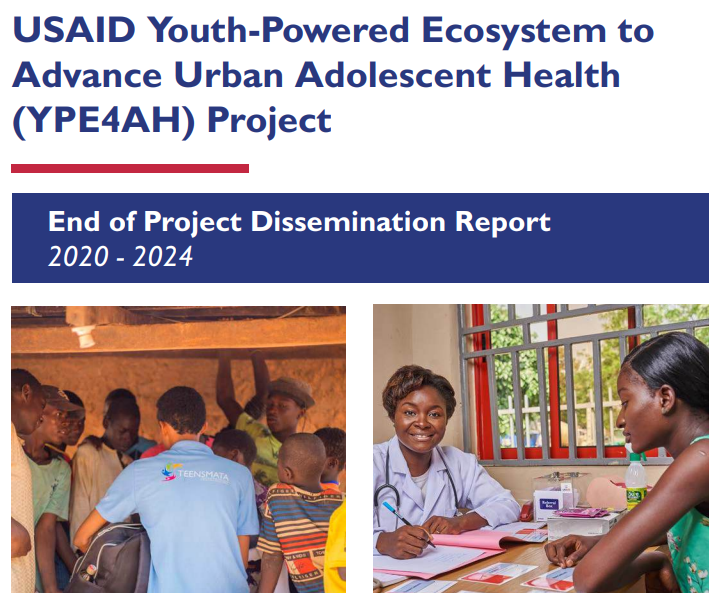
USAID Youth-Powered Ecosystem to Advance Urban Adolescent Health (YPE4AH) Project — End of Project Dissemination Report 2020 - 2024
In May 2020, the United States Agency for International Development (USAID)/Nigeria awarded the Youth-Powered Ecosystem to Advance Urban Adolescent Health (YPE4AH) Project to DAI Global LLC and its partners—Yellow Brick Road (YBR), Youth Empowerment and Development Initiative (YEDI), Women Friendly Initiative (WFI), and Grassroot Soccer (GRS). This five-year cooperative agreement, designed through a co-creation process, empowers young Nigerians with the skills, social capital, and resources necessary to realize their potential. The primary goal of the project is to improve the health and well-being of urban, underprivileged, out-of-school, and unmarried/ married adolescents aged 15–19 living in urban slums in Lagos and Kano States by increasing the uptake and sustained use of voluntary family planning (FP) services, using a holistic, human capital approach.
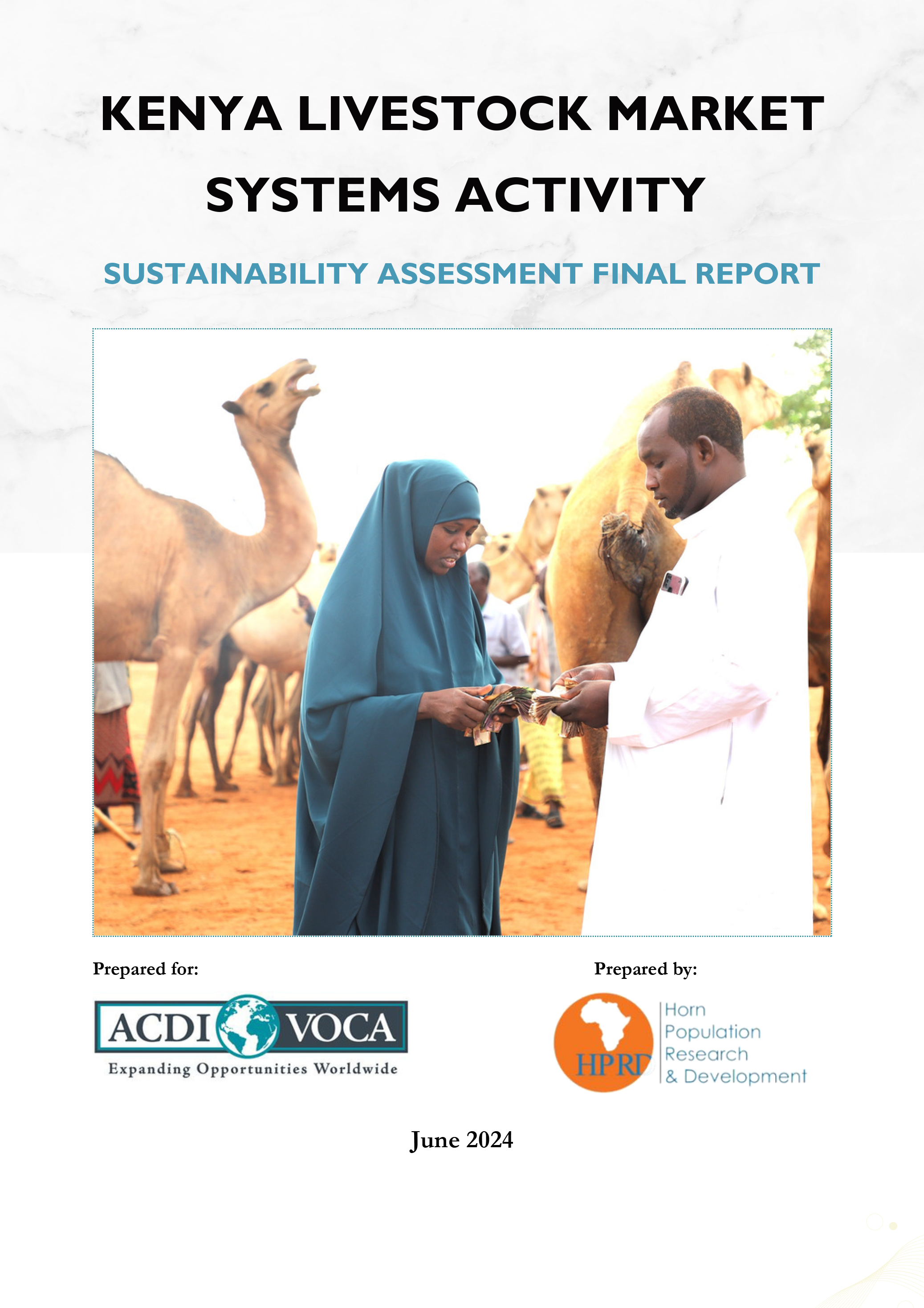
Kenya Livestock Market Systems Activity: Final Sustainability Assessment Report
The Feed the Future Kenya Livestock Market Systems Activity (USAID's LMS) is a USAID-funded initiative aimed at enhancing resilience against shocks and stresses in Northern Kenya.
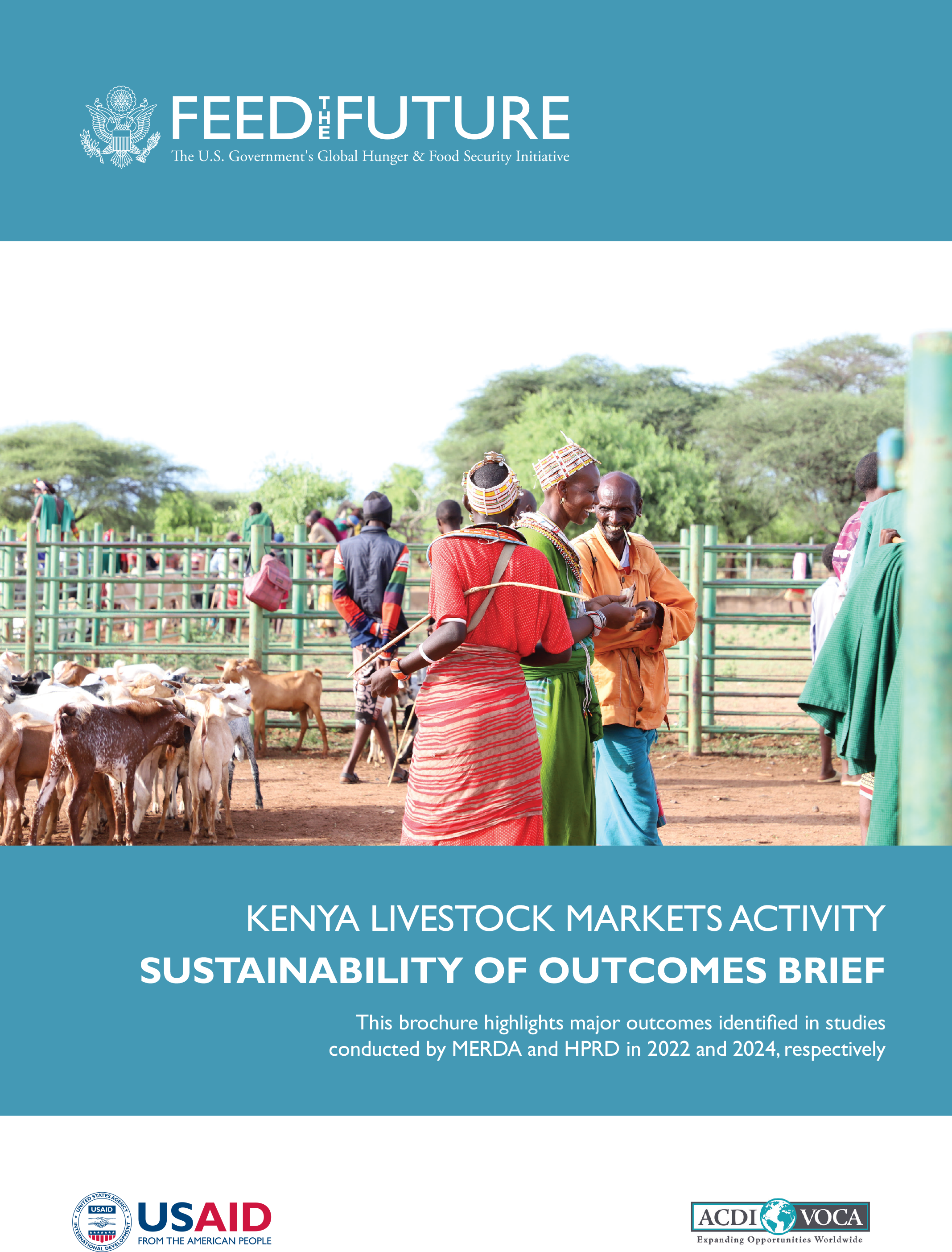
Kenya Livestock Markets Activity Sustainability of Outcomes Brief
The Kenya Livestock Market Systems Activity is a United States Agency for International Development (USAID)-funded program that is part of the Feed the Future initiative for addressing poverty, hunger, and malnutrition.
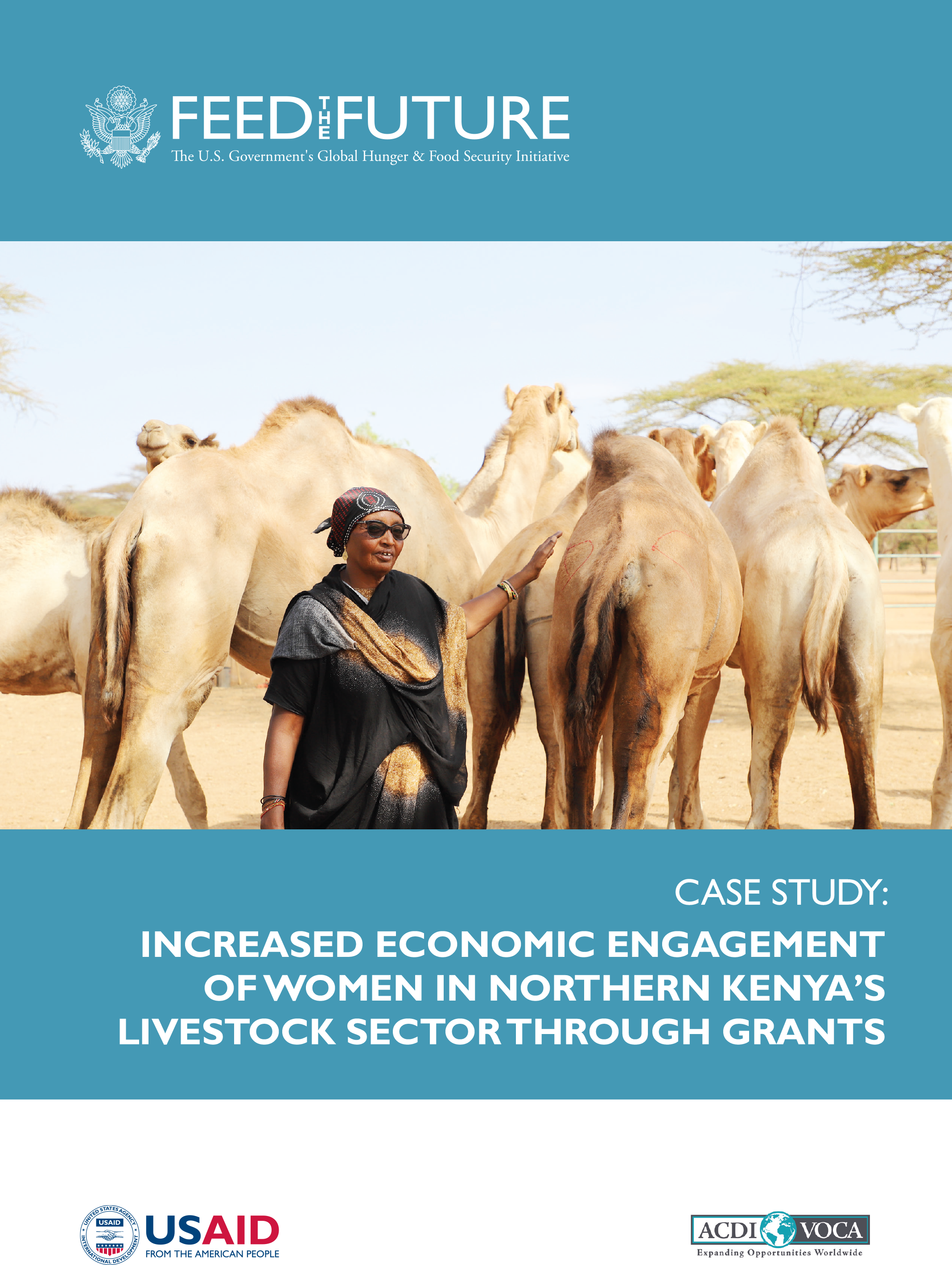
Case Study: Increased Economic Engagement Of Women In Northern Kenya’s Livestock Sector Through Grants
Deeply ingrained gender norms around livestock ownership and management have historically limited women's participation and decision-making in northern Kenya’s livestock sector, which has been traditionally dominated by men,
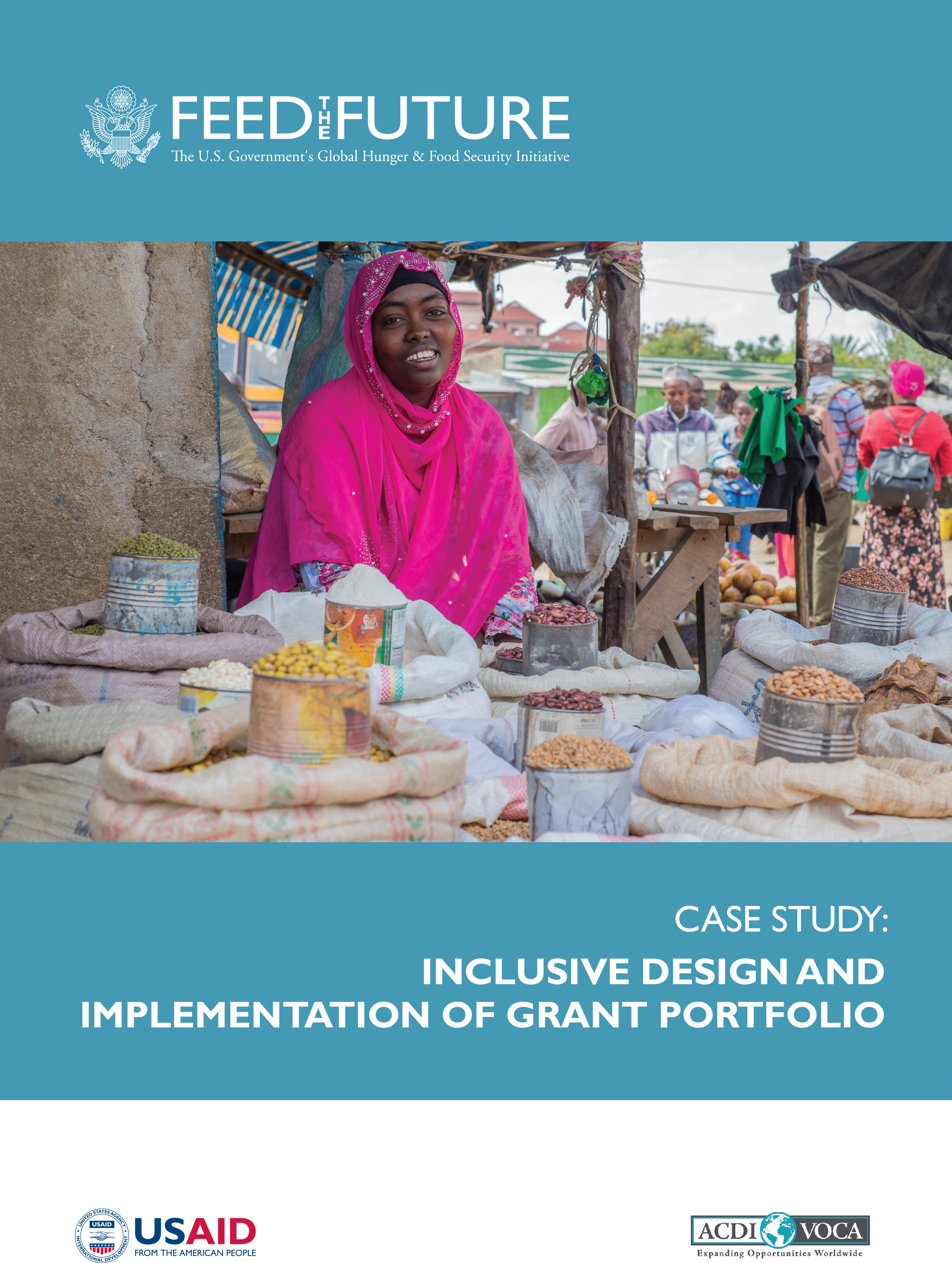
Case Study: Inclusive Design and Implementation of Grant Portfolio
USAID LMS had a specific objective of promoting gender equity and women's empowerment by supporting vulnerable women and girls in building incomes and social capital to enhance resilience to shocks.
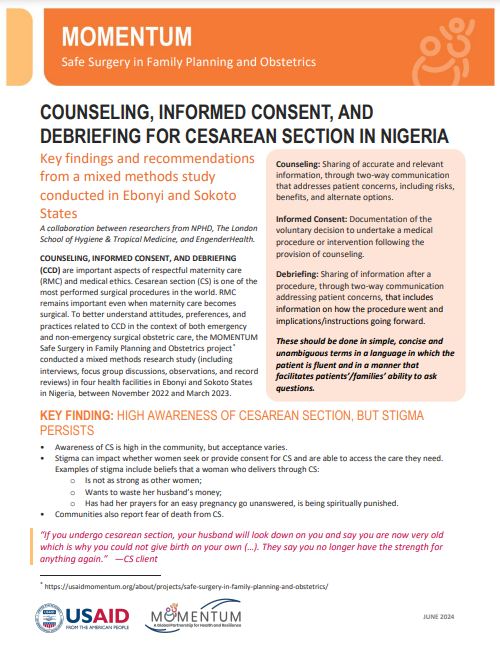
Counseling, Informed Consent, and Debriefing for Cesarean Section in Nigeria
COUNSELING, INFORMED CONSENT, AND DEBRIEFING (CCD) are important aspects of respectful maternity care (RMC) and medical ethics. Cesarean section (CS) is one of the most performed surgical procedures in the world. RMC remains important even when maternity care becomes surgical.
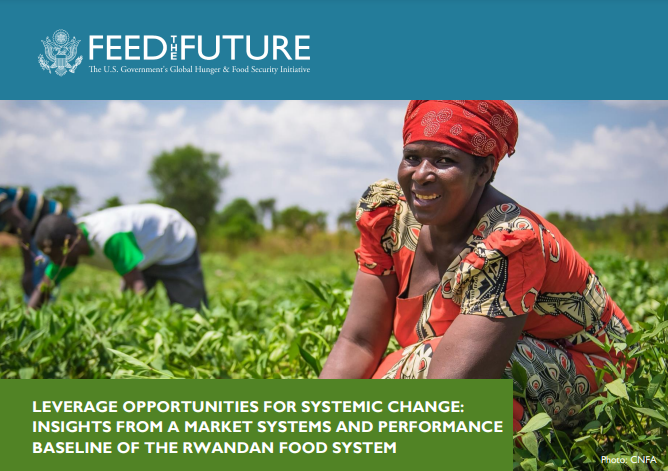
Leveraging Opportunities for Systemic Change
This brief presents baseline learnings to inform stakeholders and activities striving towards more inclusive and equitable agricultural market systems.
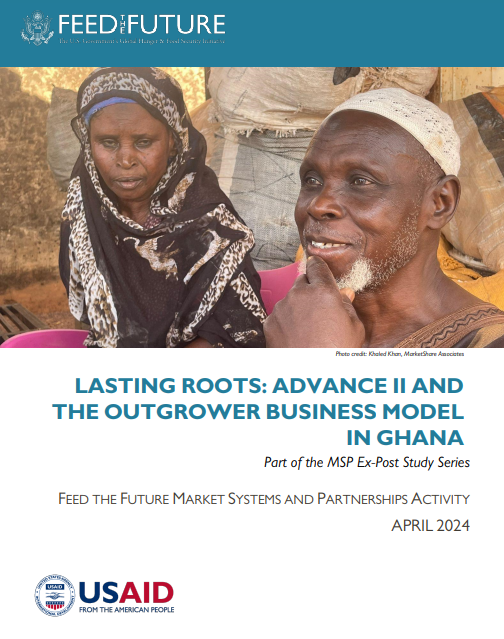
Lasting Roots: ADVANCE II and the Outgrower Business Model in Ghana
This report addresses a well-recognized evidence gap1 on the longer-term impacts created by market driven programming; specifically, programming influenced by market systems development (MSD) principles.
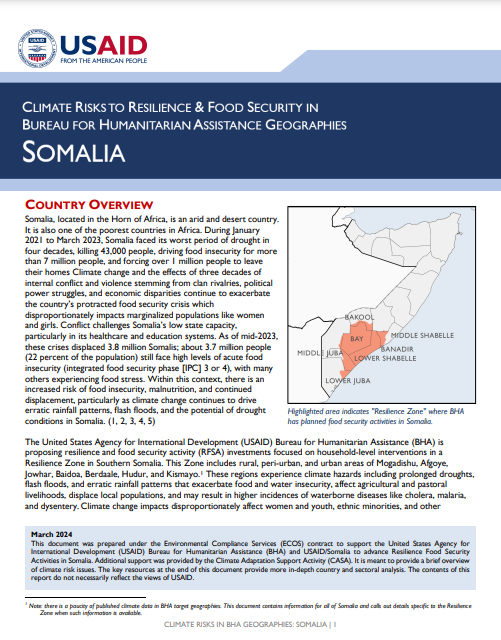
Climate risks to resilience and food security in Bureau for Humanitarian Assistance Geographies: Somalia
The United States Agency for International Development (USAID) Bureau for Humanitarian Assistance (BHA) is proposing resilience and food security activity (RFSA) investments focused on household-level interventions in a Resilience Zone in Southern Somalia.
Workplace Innovation: Okeba’s Return on Investment in Childcare
This case study focuses on Okeba in Uganda. It examines how providing onsite childcare helped create a women-inclusive workplace while delivering financial returns for the SME. Comparing the original business model (without childcare services) to this women-centric approach shows how the latter reduces labor costs while increasing profitability for Okeba.
LITES Study Overview: Language of Instruction Transition in Education Systems
LITES is a cross-country study (occurring in Kenya, Mali, Mozambique, the Philippines, Senegal, and Rwanda) seeking to fill this this knowledge gap by generating empirical evidence regarding factors that contribute to the success of language of instruction transitions for learners’ second language literacy skills. Evidence generated from this study will provide useful insights to bilingual and multilingual education in low-resource settings.
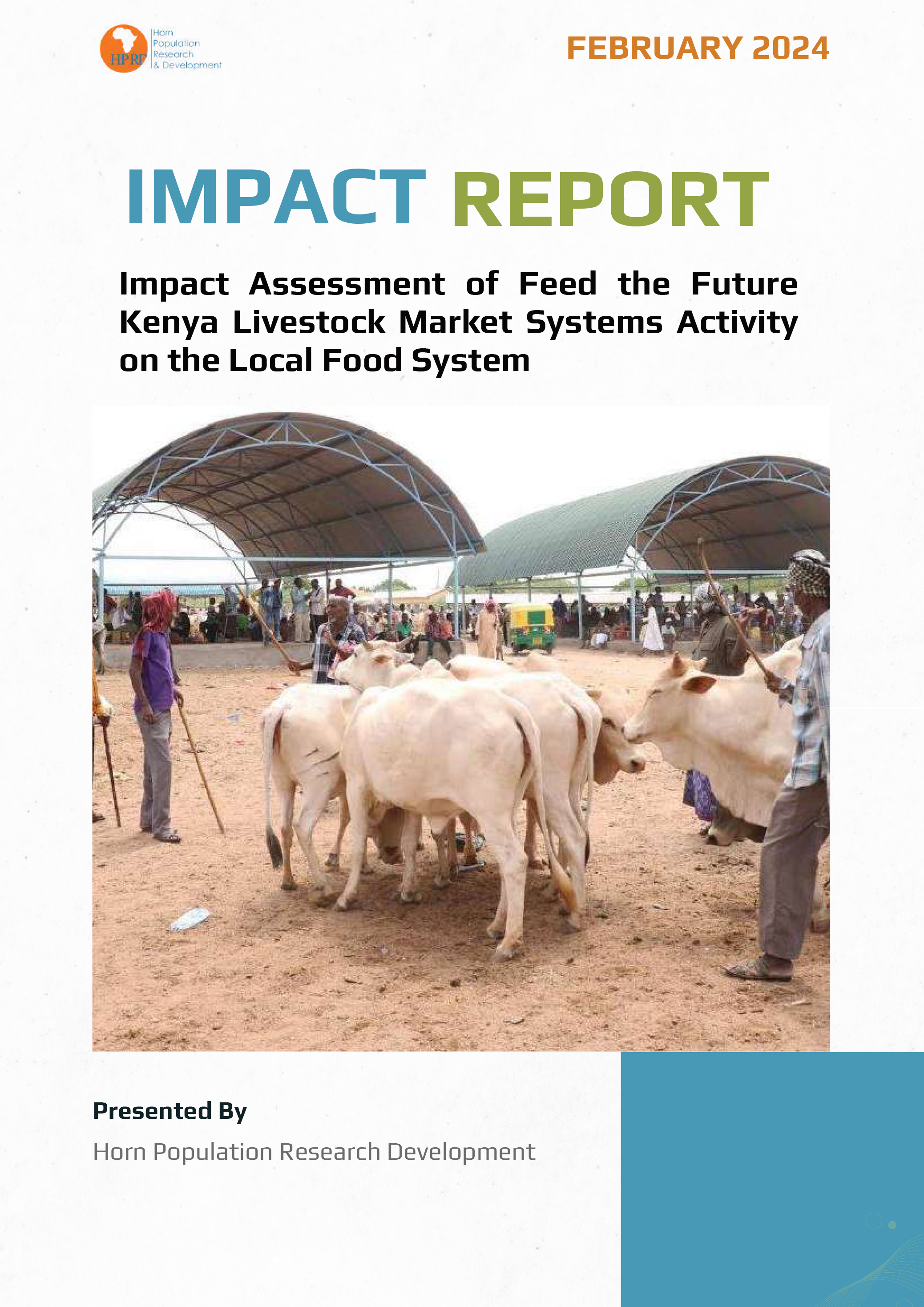
Impact Assessment of Feed the Future Kenya Livestock Market Systems Activity on the Local Food System
The Feed, the Future Kenya Livestock Market Systems Activity was a Five-year (2017-2022) Activity with Leader and Associate Awards funded by USAID and managed in a consortium of ACDI/VOCA, Mercy Corps, and their partners.
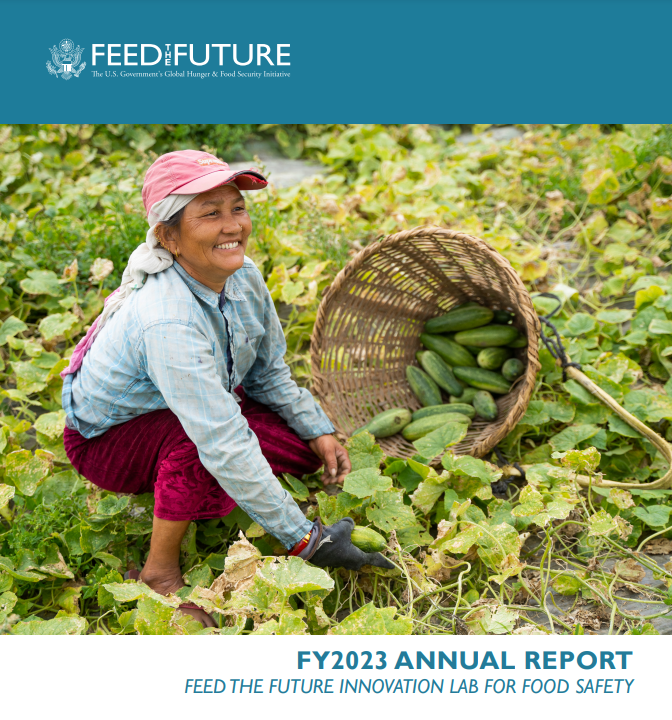
FY2023 Annual Report Feed the Future Innovation Lab for Food Safety
In FY2023, the Feed the Future Innovation Lab for Food Safety (FSIL) subaward projects in Bangladesh, Cambodia, Kenya, Nepal, Nigeria, and Senegal made significant progress in data collection to better understand microbial food safety challenges in each focus country, analyze the roles and opportunities for women in food safety and in different food value chains, and identify appropriate food safety interventions. All projects entered their final year of activities (year three for long-term subawards in Bangladesh, Cambodia, Kenya, and Senegal and year two for short-term subawards in Nepal and Nigeria) and many have started to analyze data and disseminate results. In FY2023, FSIL subaward projects published nine peer-reviewed journal articles, gave seven conference presentations, and hosted workshops and training sessions for producers, extension agents, government stakeholders, and the private sector.
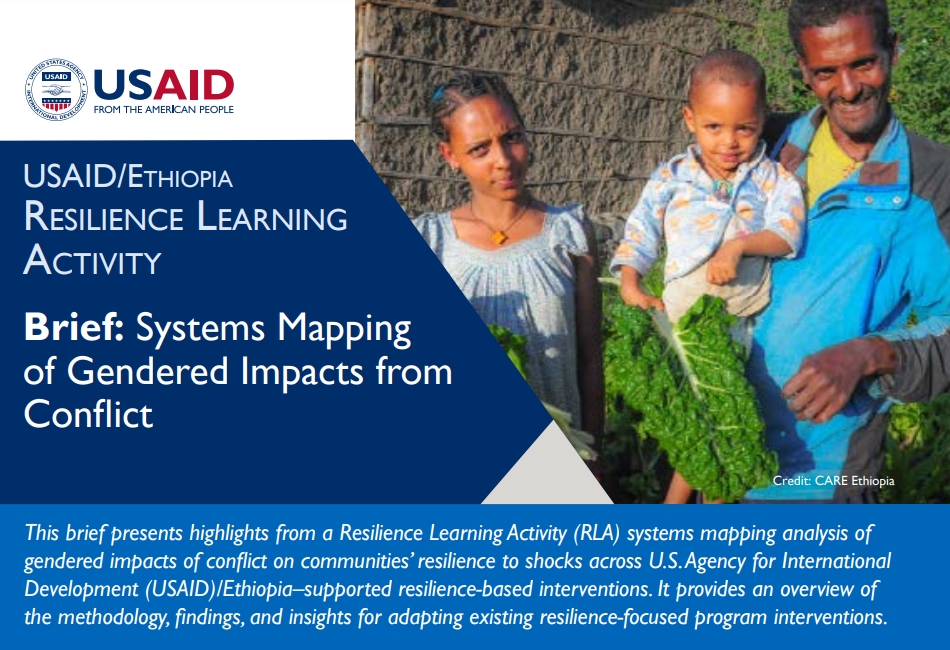
Systems Mapping of Gendered Impacts from Conflict (Ethiopia)
This brief presents highlights from a Resilience Learning Activity (RLA) systems mapping analysis of gendered impacts of conflict on communities’ resilience to shocks across U.S. Agency for International Development (USAID)/Ethiopia–supported resilience-based interventions. It provides an overview of the methodology, findings, and insights for adapting existing resilience-focused program interventions.
President’s Malaria Initiative: Country Malaria Operational Plans FY 2024
The President’s Malaria Initiative (PMI) is credited with helping to save 11.7 million lives and prevent 2.1 billion malaria cases since 2000. Indeed, since 2006, in countries where PMI works, global efforts have supported a 29% decrease in malaria case rates and a 48% decline in deaths. The introduction of two malaria vaccines in 2021 and 2023 has increased optimism in the potential to further strengthen global malaria control.