-
Article
Brief
Meeting Notes
Presentation
Poster
Report
Toolkit
Video
Webinar
Agriculture Social Media Links They Forgot to Delete
While the Agrilinks website was removed, no one deleted the related social media accounts. Check them out before they go away!
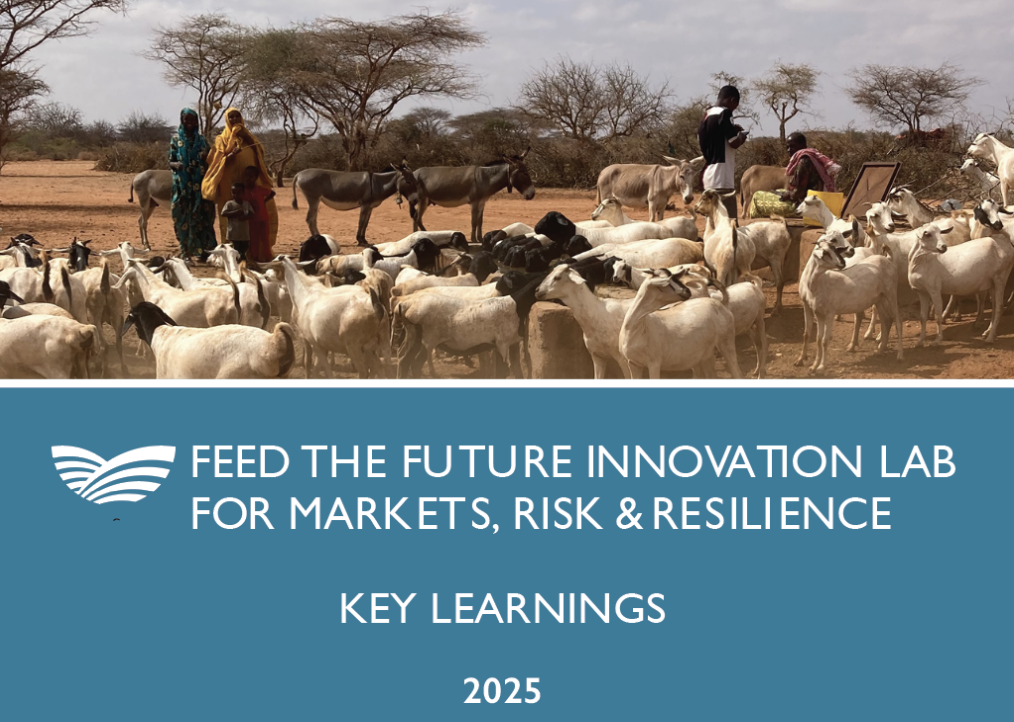
Feed the Future Innovation Lab for Markets, Risks, and Resilience — Key Learnings
This report describes the Feed the Future Innovation Lab for Markets, Risk & Resilience (MRR)’s contributions to (economic) knowledge surrounding small-scale agricultural households in developing countries. MRR research has deepened knowledge around entrenched development challenges and promising innovations for risk management and uptake of productivity-enhancing agricultural technologies.
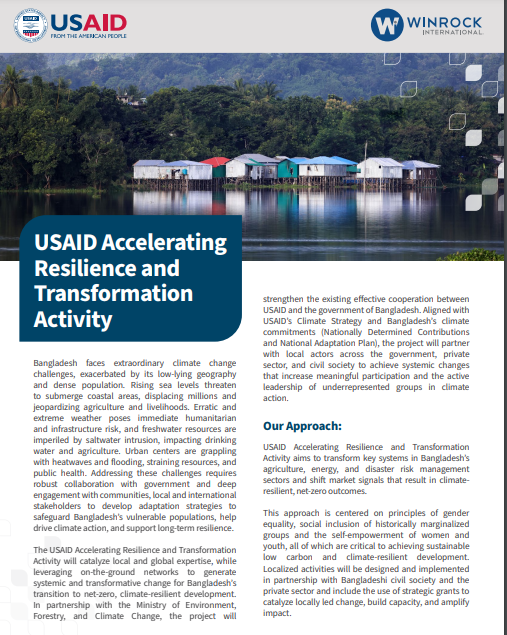
USAID Accelerating Resilience and Transformation Activity — Bangladesh
USAID Accelerating Resilience and Transformation Activity aims to transform key systems in Bangladesh’s agriculture, energy, and disaster risk management sectors and shift market signals that result in climate resilient, net-zero outcomes. This approach is centered on principles of gender equality, social inclusion of historically marginalized groups and the self-empowerment of women and youth, all of which are critical to achieving sustainable low carbon and climate-resilient development. Localized activities will be designed and implemented in partnership with Bangladeshi civil society and the private sector and include the use of strategic grants to catalyze locally led change, build capacity, and amplify impact.
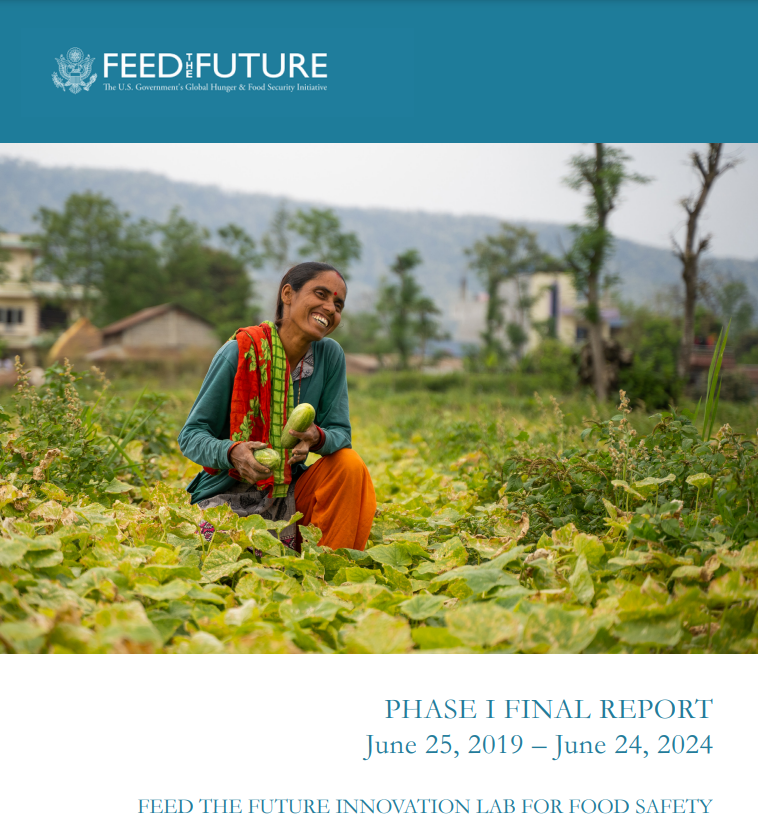
Phase I Final Report June 25, 2019 – June 24, 2024: Feed the Future Innovation Lab for Food Safety
This report presents progress over the first five-year phase of the Feed the Future Innovation Lab for Food Safety (June 25, 2019 – June 24, 2024). The Food Safety Innovation Lab (FSIL), managed by Purdue and Cornell Universities, has leveraged global food safety expertise in locally-led projects that address the root causes of foodborne illness. Phase I FSIL projects were designed to create systemic change to strengthen household and community nutrition, food security, and economic opportunity by identifying food safety knowledge gaps, supporting data-driven food safety practices and policies, and strengthening local food safety capacity.
Agency Priority Goal | Action Plan | FY 24 – Q3: Resilience and Food Security
Facilitate inclusive, resilient growth in the agriculture and food system to sustainably reduce poverty, food insecurity, and malnutrition. By September 30, 2025, annual sales by assisted farms and firms in the agriculture and food system will exceed the previous three year average by 10 percent.
Do the Impacts of MSD Activities Sustain and Scale After Close?
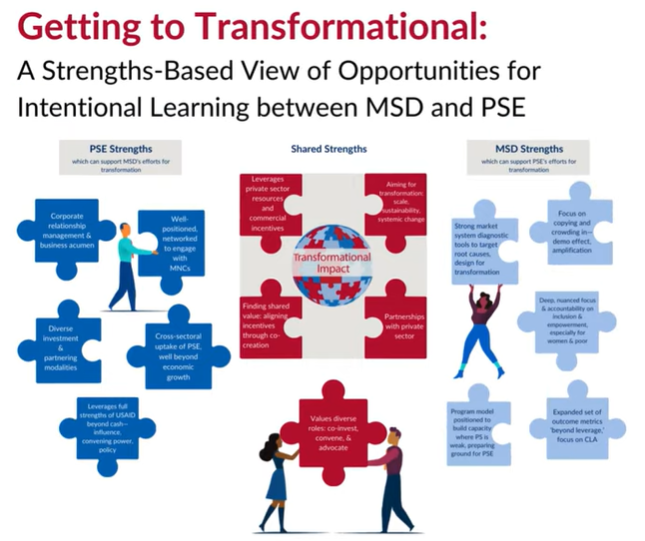
As part of a series of ex-post studies conducted 3+ years after implementation ended, USAID is building the evidence base for sustainability, scale, and impact on target populations from use of the market systems development (MSD) approach.
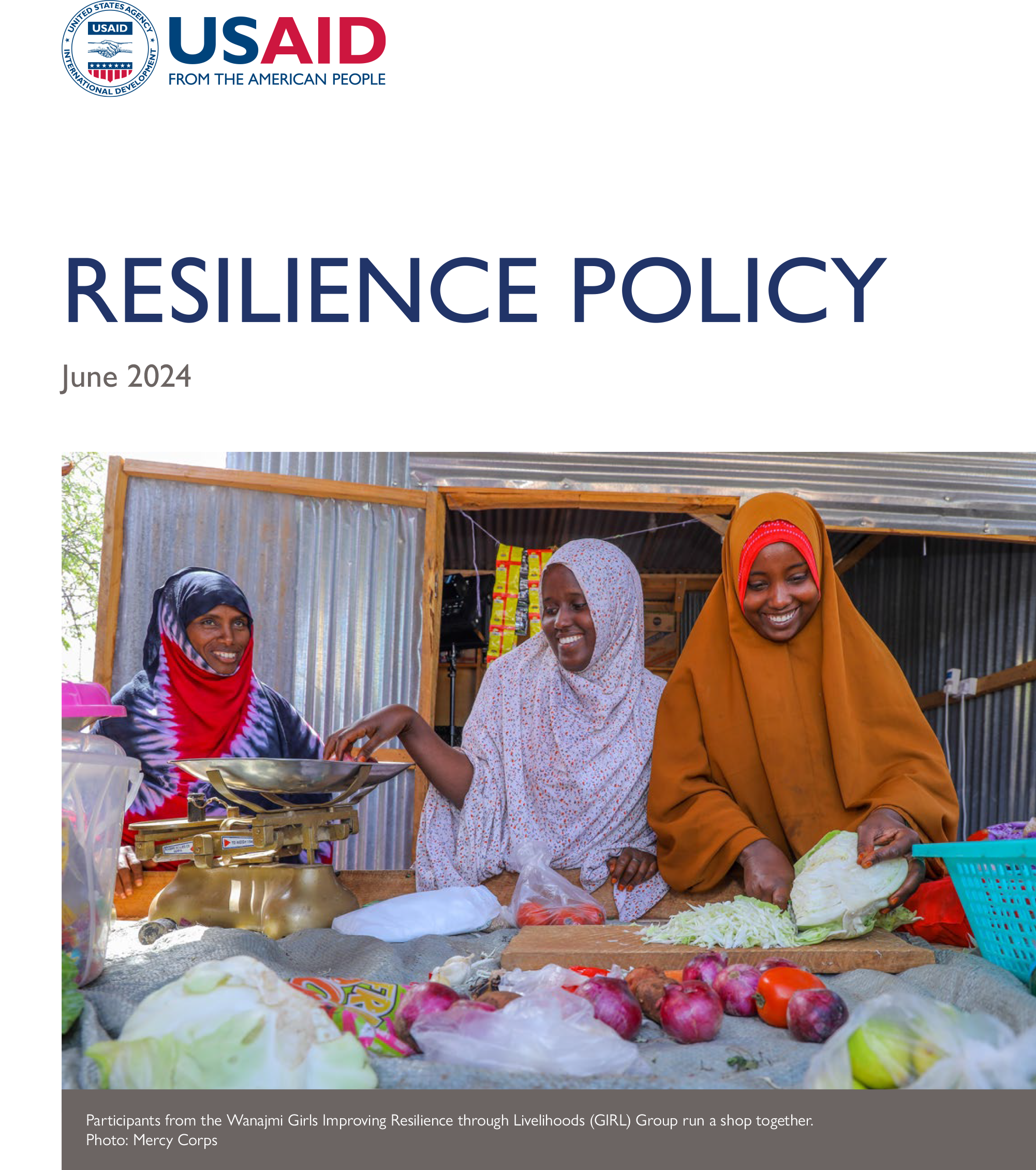
USAID Resilience Policy 2024
As an update to USAID’s inaugural resilience policy (2012), this policy reiterates the goal of reducing humanitarian need in areas of recurrent crisis while also reinforcing resilience as an Agency priority across all USAID programming.
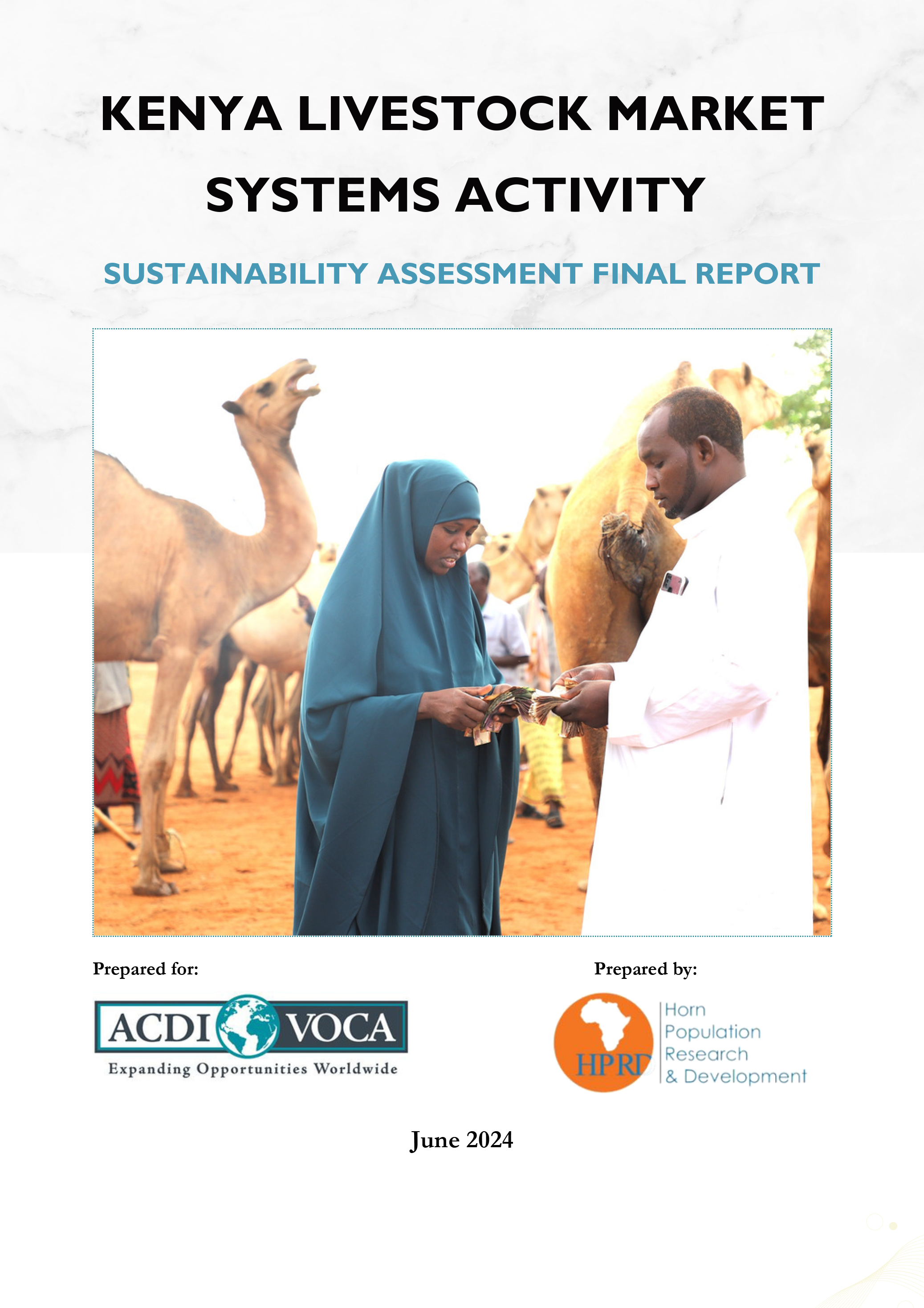
Kenya Livestock Market Systems Activity: Final Sustainability Assessment Report
The Feed the Future Kenya Livestock Market Systems Activity (USAID's LMS) is a USAID-funded initiative aimed at enhancing resilience against shocks and stresses in Northern Kenya.
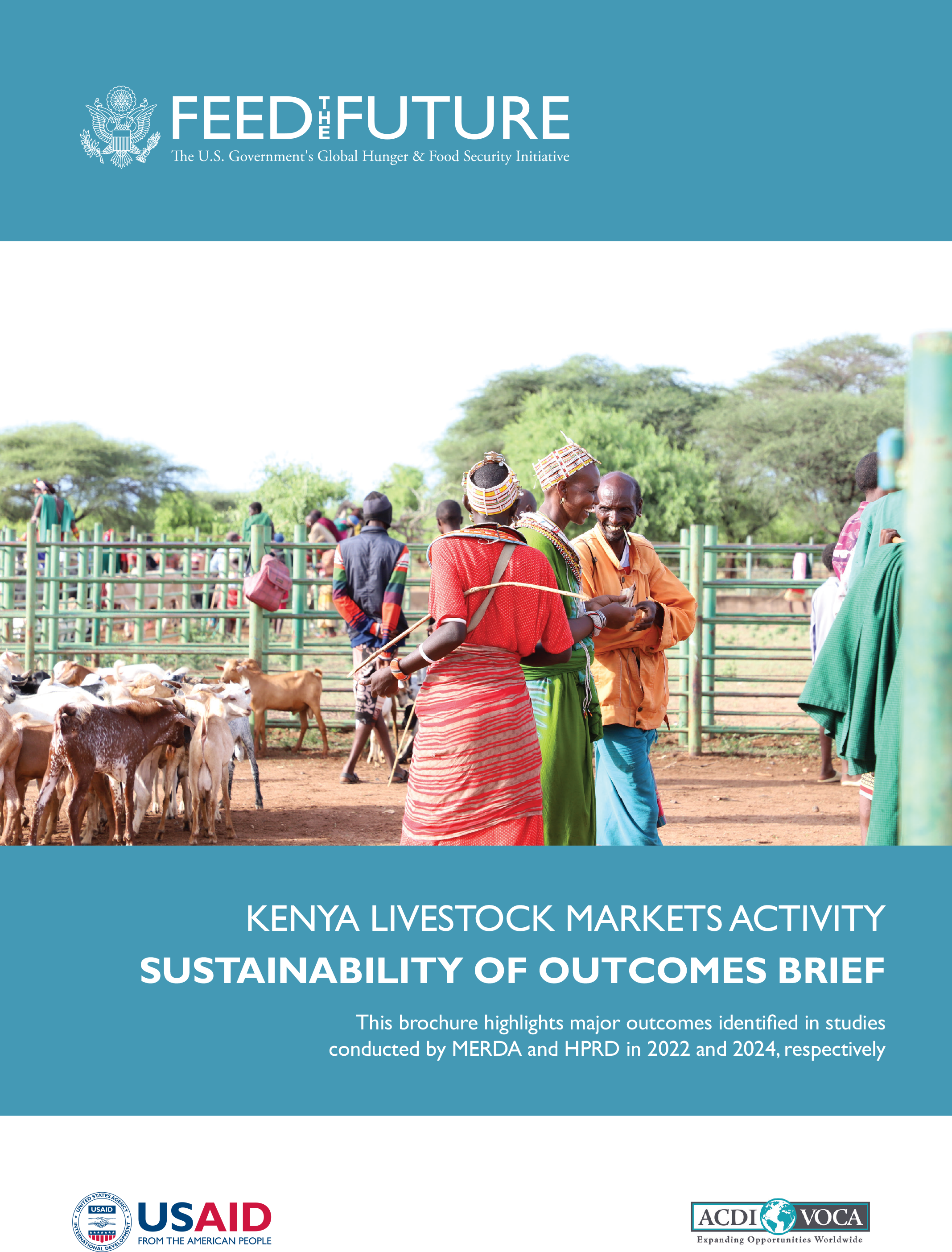
Kenya Livestock Markets Activity Sustainability of Outcomes Brief
The Kenya Livestock Market Systems Activity is a United States Agency for International Development (USAID)-funded program that is part of the Feed the Future initiative for addressing poverty, hunger, and malnutrition.
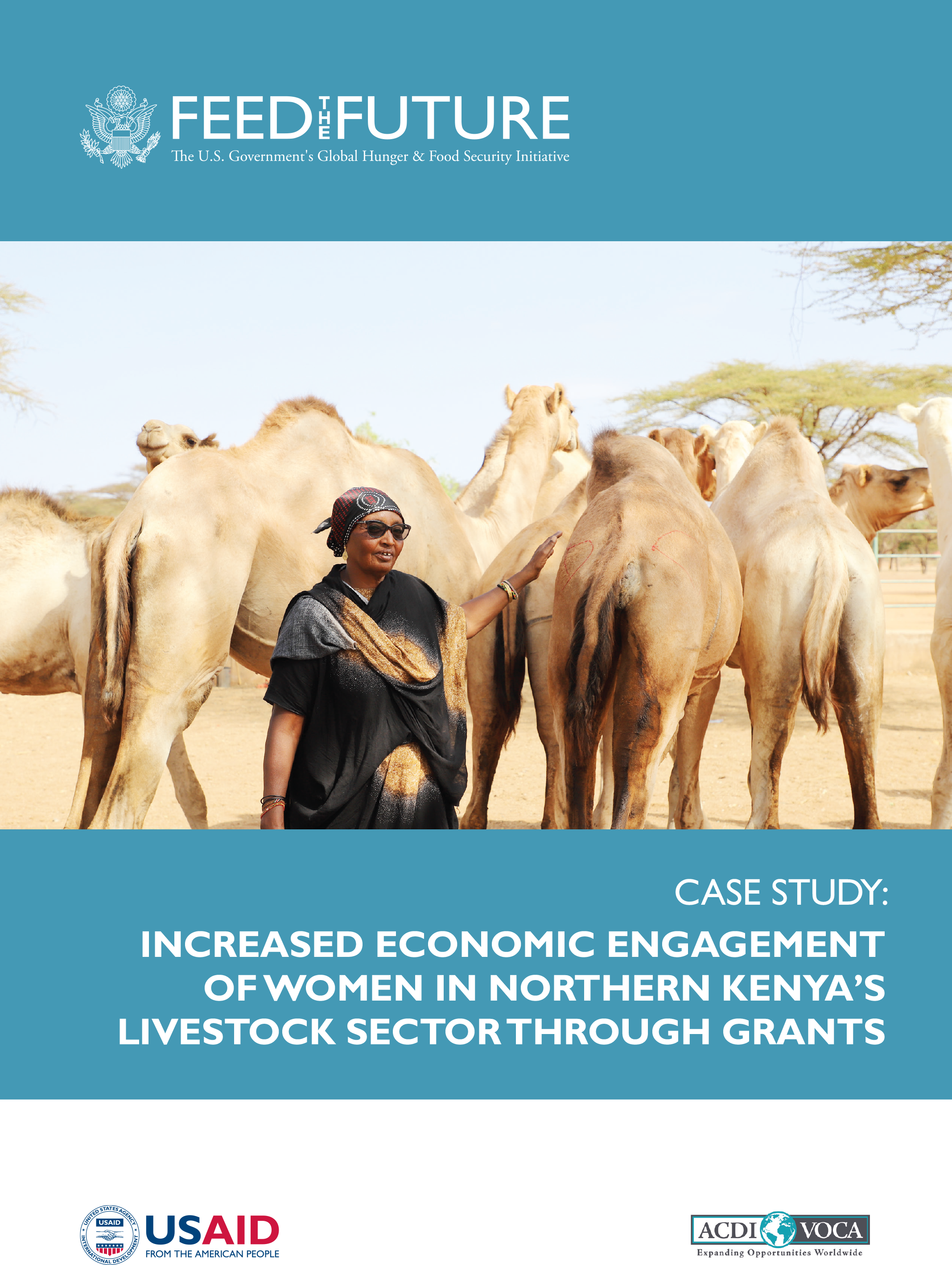
Case Study: Increased Economic Engagement Of Women In Northern Kenya’s Livestock Sector Through Grants
Deeply ingrained gender norms around livestock ownership and management have historically limited women's participation and decision-making in northern Kenya’s livestock sector, which has been traditionally dominated by men,
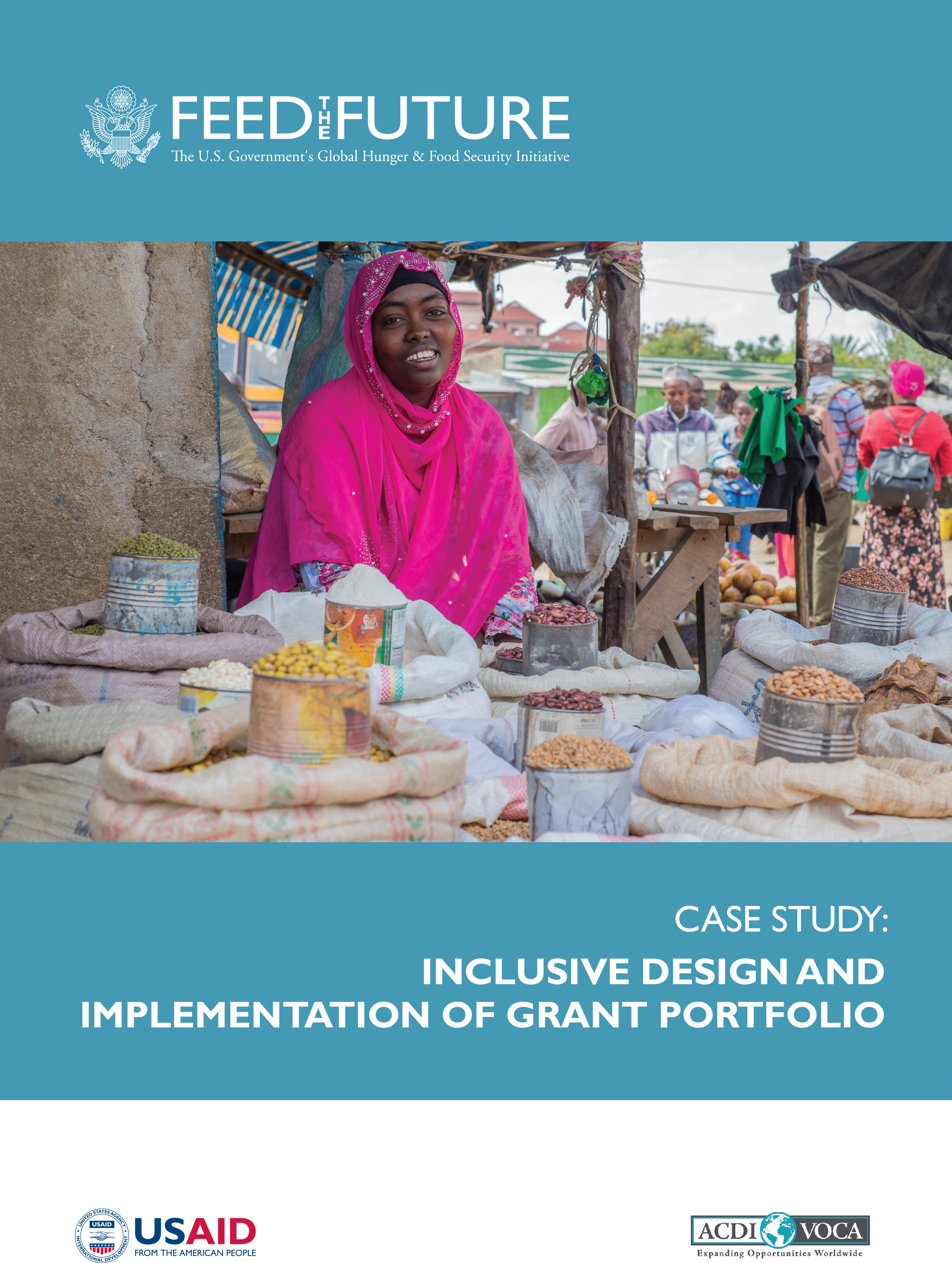
Case Study: Inclusive Design and Implementation of Grant Portfolio
USAID LMS had a specific objective of promoting gender equity and women's empowerment by supporting vulnerable women and girls in building incomes and social capital to enhance resilience to shocks.
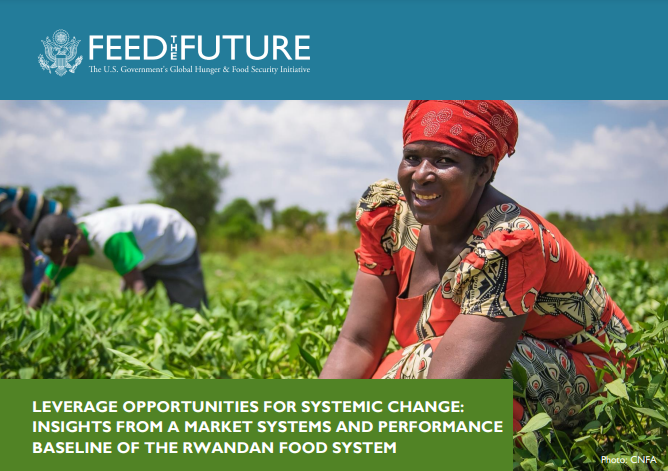
Leveraging Opportunities for Systemic Change
This brief presents baseline learnings to inform stakeholders and activities striving towards more inclusive and equitable agricultural market systems.
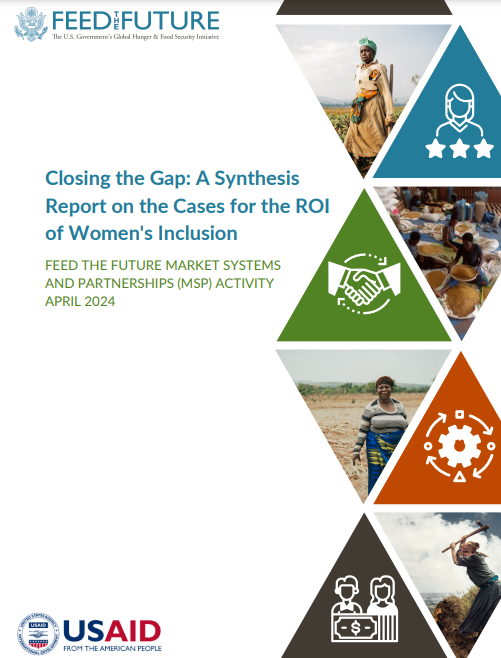
Closing the Gap: A Synthesis Report on the Cases for the ROI of Women’s Inclusion
This synthesis report encourages USAID, other donors, and managers of private sector investment funds to further develop evidence on the financial return of women-inclusive investments.
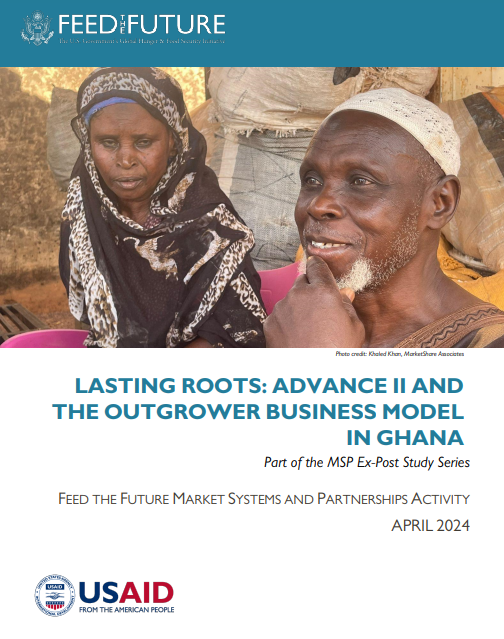
Lasting Roots: ADVANCE II and the Outgrower Business Model in Ghana
This report addresses a well-recognized evidence gap1 on the longer-term impacts created by market driven programming; specifically, programming influenced by market systems development (MSD) principles.
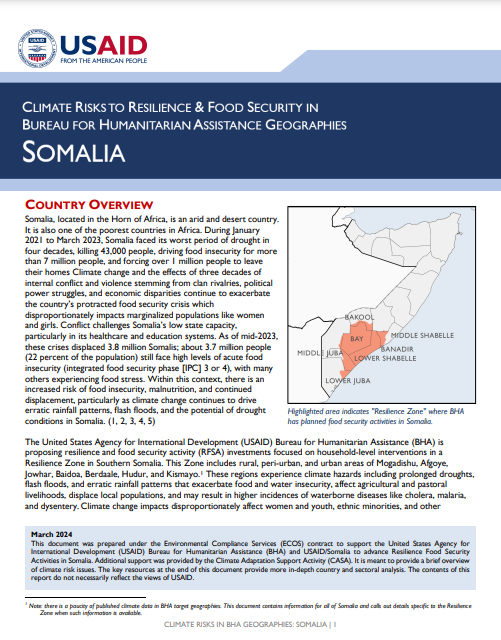
Climate risks to resilience and food security in Bureau for Humanitarian Assistance Geographies: Somalia
The United States Agency for International Development (USAID) Bureau for Humanitarian Assistance (BHA) is proposing resilience and food security activity (RFSA) investments focused on household-level interventions in a Resilience Zone in Southern Somalia.
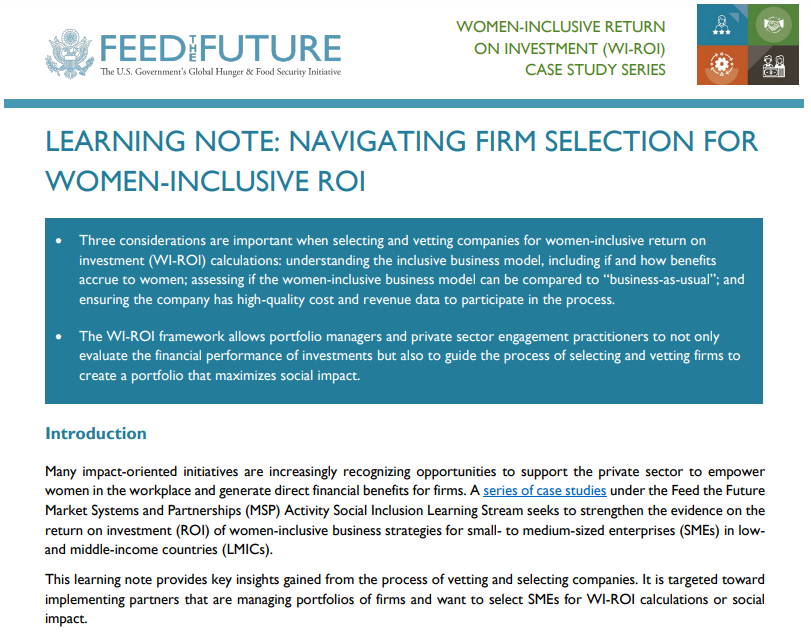
Learning Note: Navigating Firm Selection for Women-Inclusive ROI
This learning note provides key insights gained from the process of vetting and selecting companies. It is targeted toward implementing partners that are managing portfolios of firms and want to select SMEs for WI-ROI calculations or social impact.