Case Study: Inclusive Design and Implementation of Grant Portfolio
USAID LMS had a specific objective of promoting gender equity and women's empowerment by supporting vulnerable women and girls in building incomes and social capital to enhance resilience to shocks. To ensure that activities were designed to achieve this objective, USAID LMS conducted a gender and youth analysis during the startup phase. Using an adapted version of the Women's Empowerment in Agriculture Index (WEAI) , the study examined the different patterns of participation and involvement of women and men in livestock and related markets. It also explored how gender influences access to and distribution of benefits from livestock market systems, such as livestock utilization, livestock products, market information, and services. Additionally, the analysis identified key areas where women face disempowerment in northern Kenya's livestock sector. The study found that despite women’s significant involvement and contributions to the livestock sector, they face considerable gender inequalities that limit their participation in and access to benefits from the livestock sector in northern Kenya
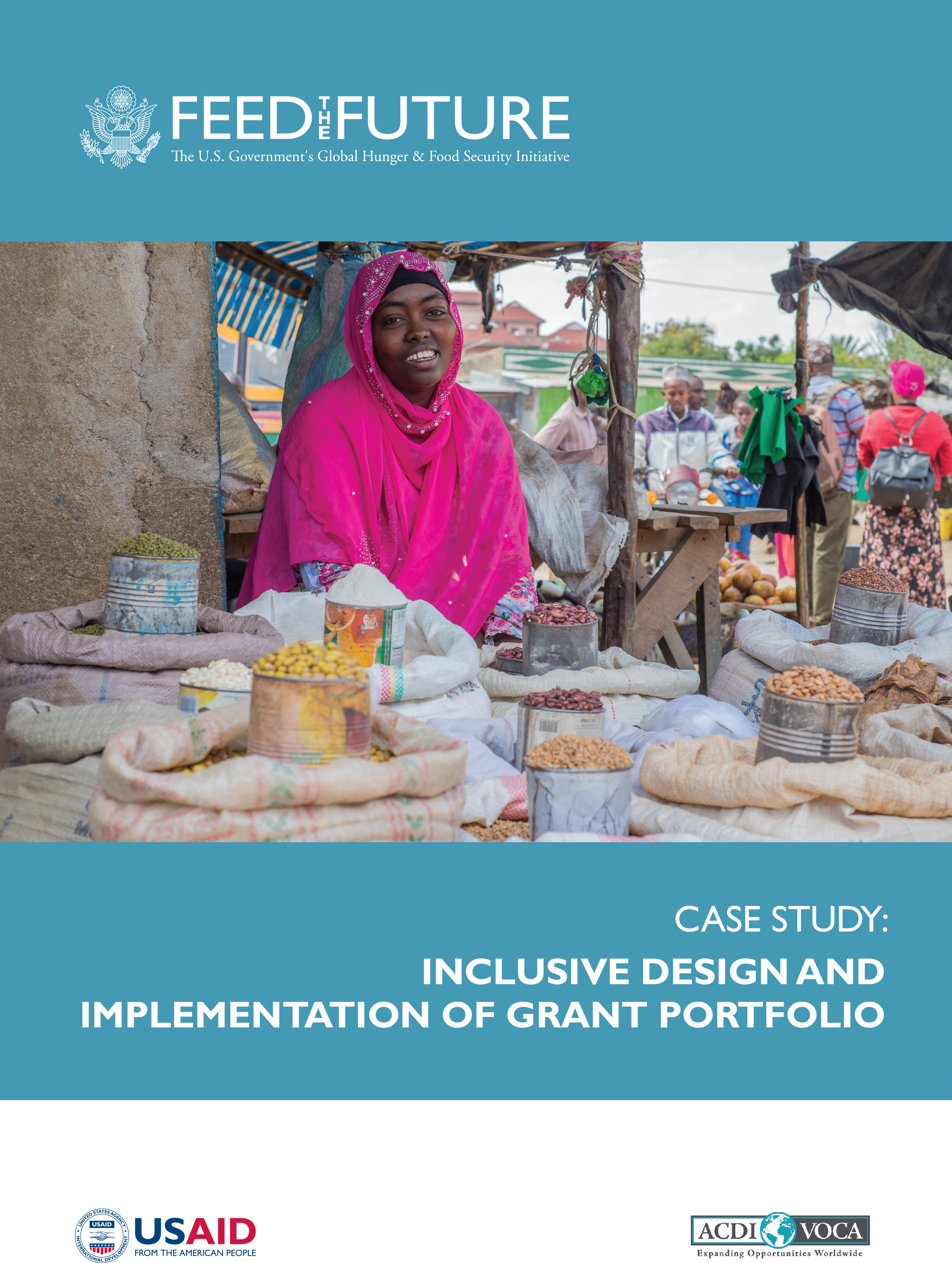
Source: USAID
Year: 2024