
Featured
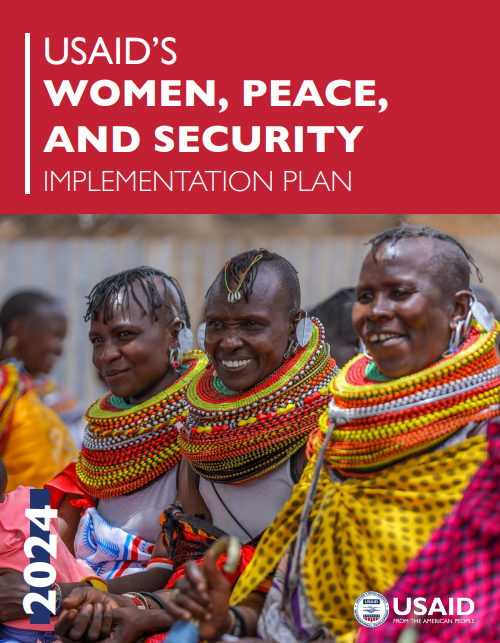

As outlined in the Women, Peace, and Security Act of 2017, women and girls are disproportionately impacted by conflict. The status of women and the stability of nations are inextricably linked - higher levels of gender equality make countries more prosperous, secure, and democratic;3 and peace agreements are 35% more likely to last 15 years or more when women meaningfully participate4 in peace processes. Thus, the WPS Agenda is critical to USAID’s development efforts.
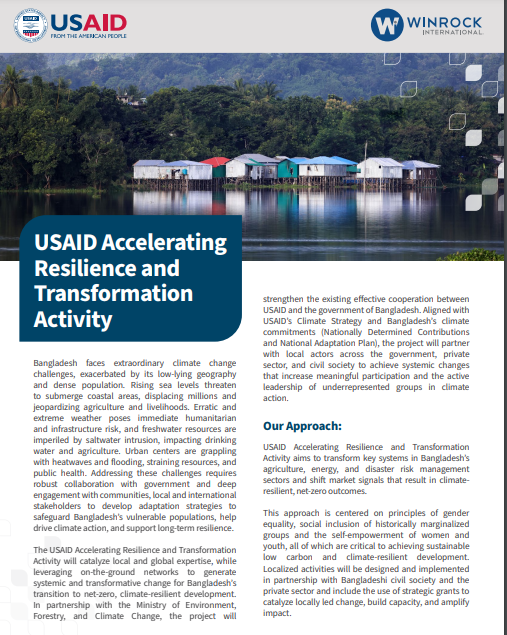
USAID Accelerating Resilience and Transformation Activity aims to transform key systems in Bangladesh’s agriculture, energy, and disaster risk management sectors and shift market signals that result in climate resilient, net-zero outcomes. This approach is centered on principles of gender equality, social inclusion of historically marginalized groups and the self-empowerment of women and youth, all of which are critical to achieving sustainable low carbon and climate-resilient development. Localized activities will be designed and implemented in partnership with Bangladeshi civil society and the private sector and include the use of strategic grants to catalyze locally led change, build capacity, and amplify impact.
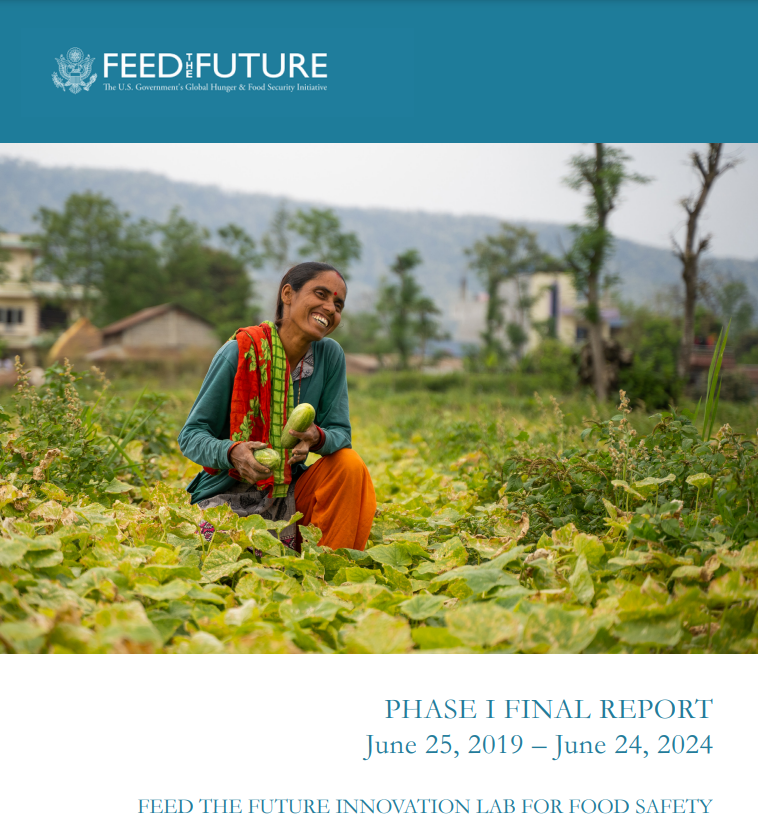
This report presents progress over the first five-year phase of the Feed the Future Innovation Lab for Food Safety (June 25, 2019 – June 24, 2024). The Food Safety Innovation Lab (FSIL), managed by Purdue and Cornell Universities, has leveraged global food safety expertise in locally-led projects that address the root causes of foodborne illness. Phase I FSIL projects were designed to create systemic change to strengthen household and community nutrition, food security, and economic opportunity by identifying food safety knowledge gaps, supporting data-driven food safety practices and policies, and strengthening local food safety capacity.
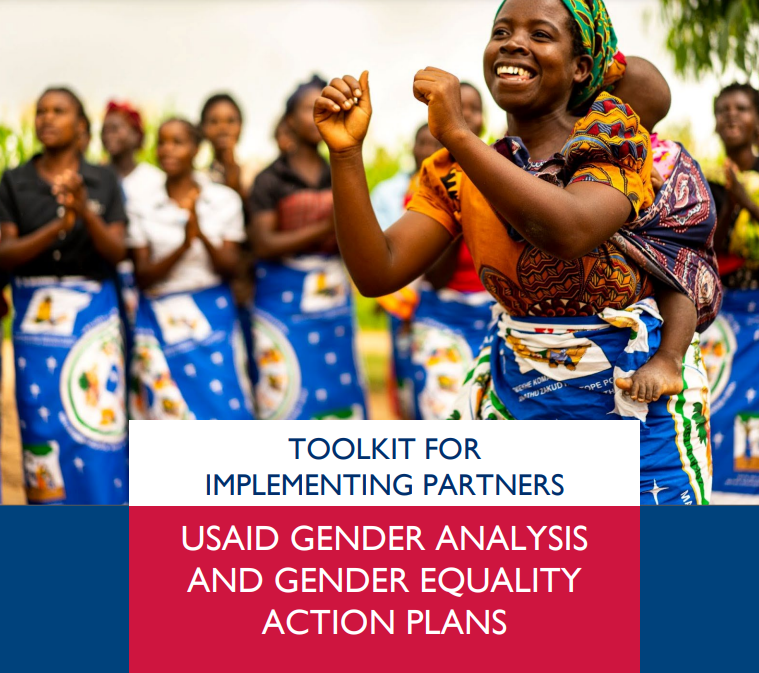
The toolkit is designed for IP staff, particularly gender advisors and focal points, staff members, and project leadership responsible for planning, managing, and/or conducting a gender analysis process and developing a GAP. It offers advice for IPs with varying degrees of gender expertise, especially those with limited experience. The toolkit outlines five steps for planning and managing a gender analysis process, including the development of a GAP based on relevant findings and feasible recommendations.
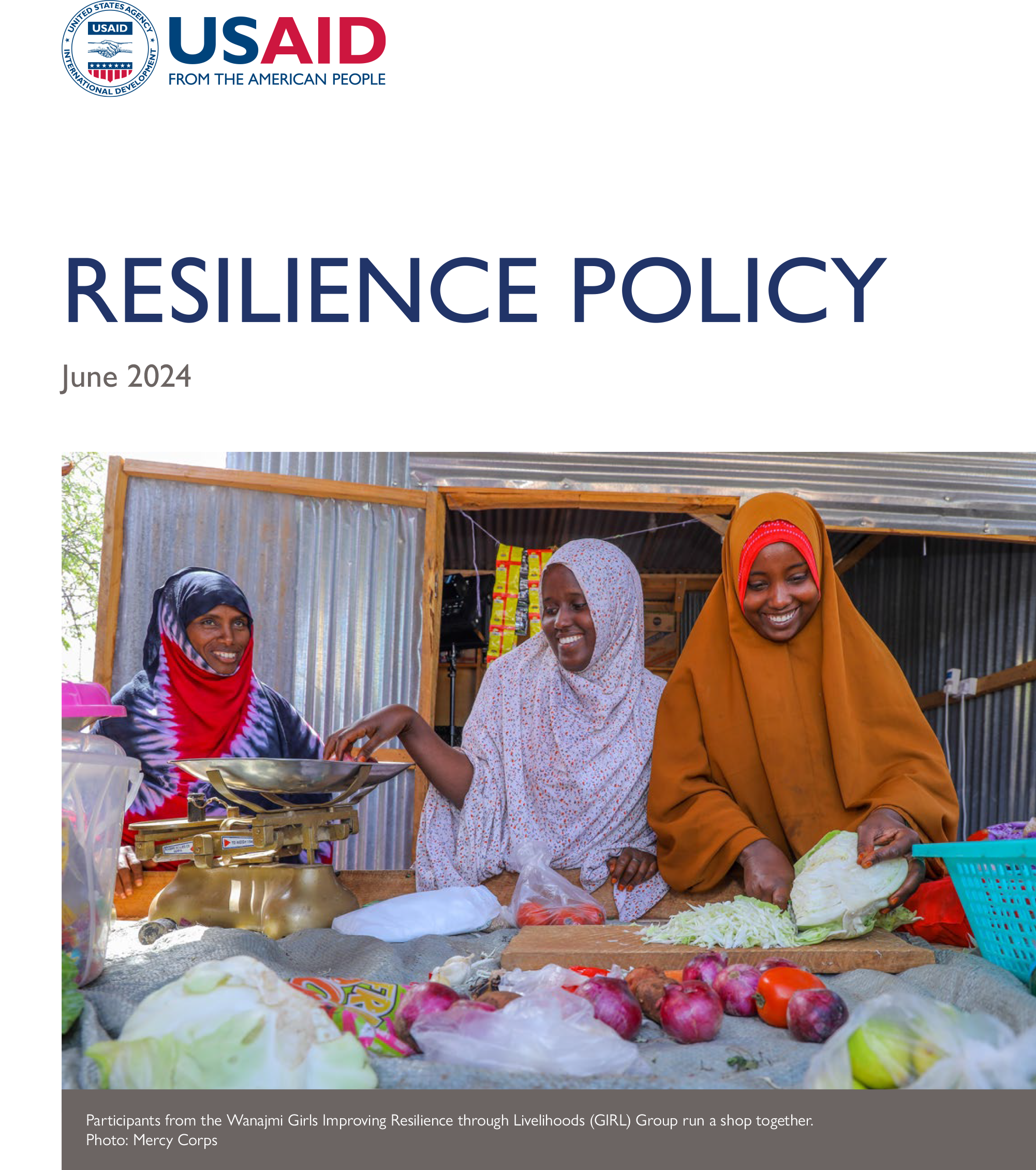
As an update to USAID’s inaugural resilience policy (2012), this policy reiterates the goal of reducing humanitarian need in areas of recurrent crisis while also reinforcing resilience as an Agency priority across all USAID programming.
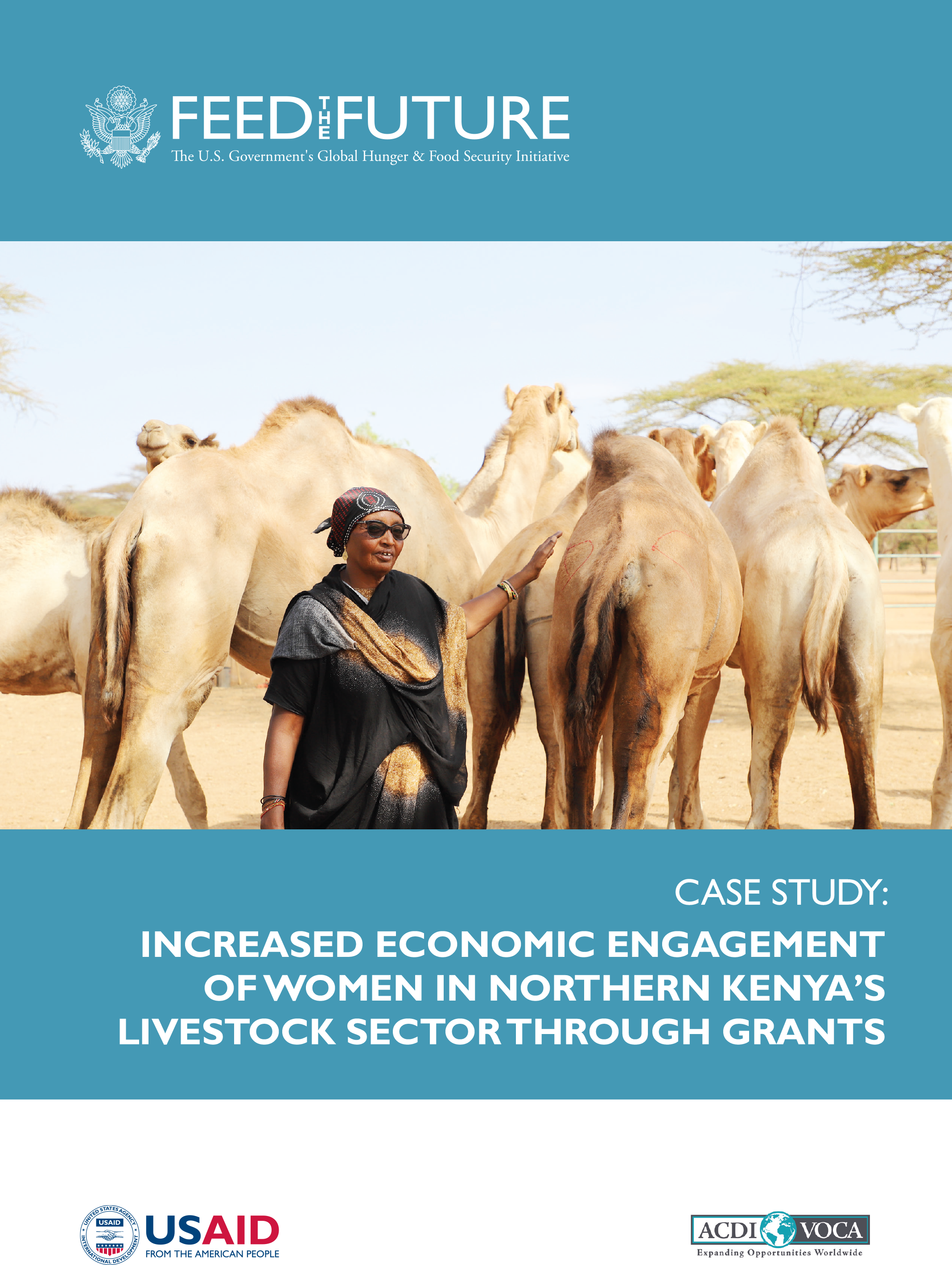
Deeply ingrained gender norms around livestock ownership and management have historically limited women's participation and decision-making in northern Kenya’s livestock sector, which has been traditionally dominated by men,
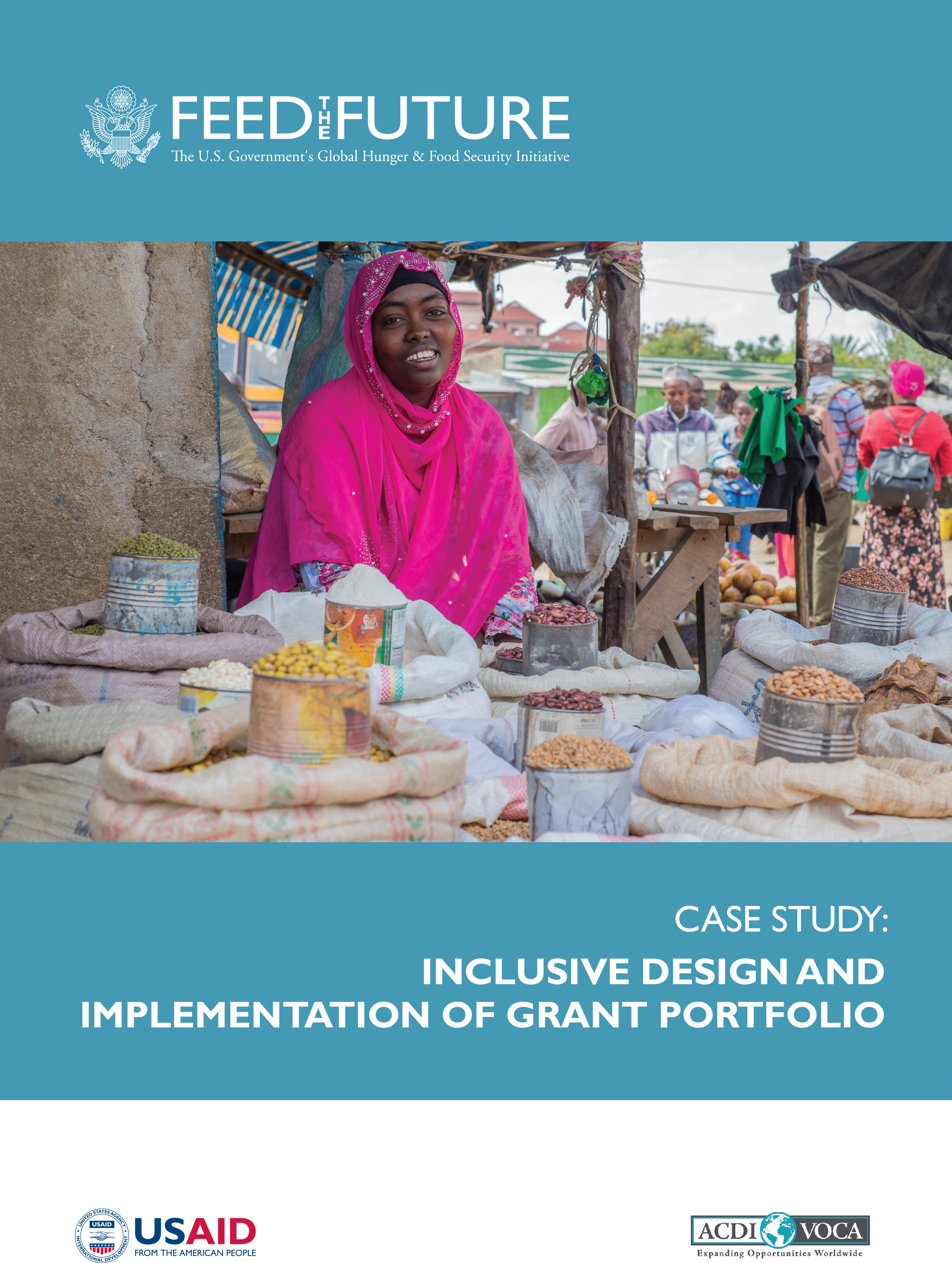
USAID LMS had a specific objective of promoting gender equity and women's empowerment by supporting vulnerable women and girls in building incomes and social capital to enhance resilience to shocks.
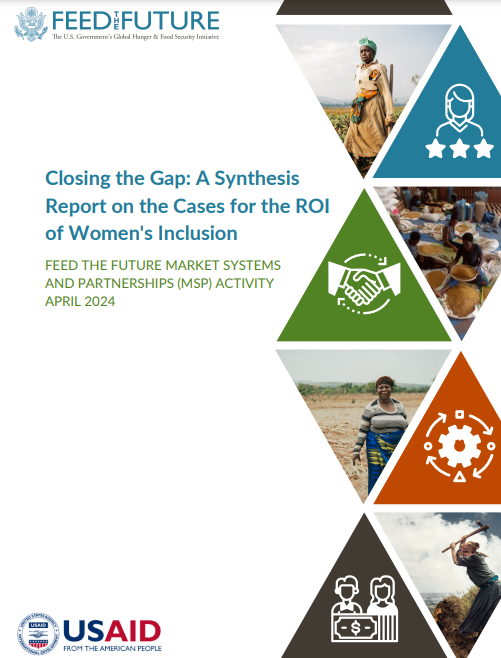
This synthesis report encourages USAID, other donors, and managers of private sector investment funds to further develop evidence on the financial return of women-inclusive investments.
This learning note provides key insights gained from the process of vetting and selecting companies. It is targeted toward implementing partners that are managing portfolios of firms and want to select SMEs for WI-ROI calculations or social impact.
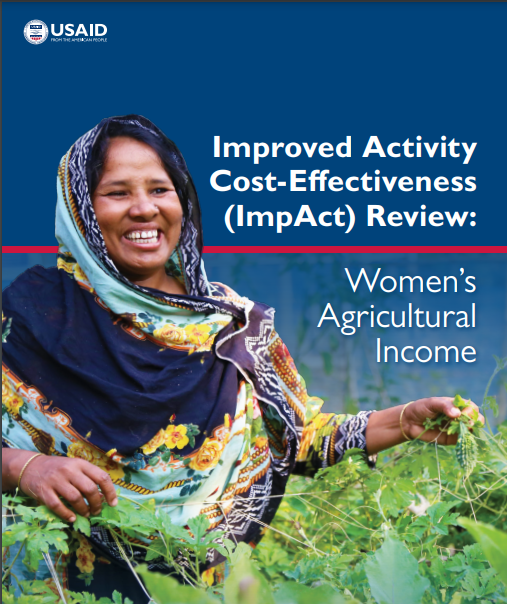
This ImpAct Review was conducted to inform missions seeking to integrate gender into Feed the Future programs, and summarizes impact evidence on which interventions have the greatest impact on women’s agricultural income.
This particular case study focuses on Grean World, an SME in Ethiopia. It examines how applying a women-centered approach to marketing and sales addresses the energy needs of female consumers in rural and remote areas in Ethiopia, while delivering financial returns for Grean World.
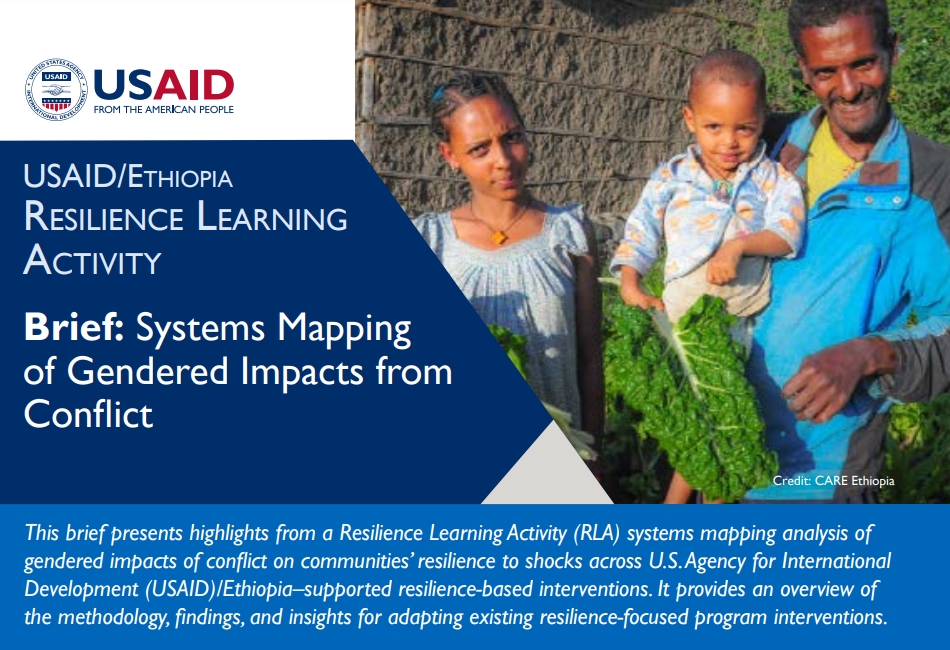
This brief presents highlights from a Resilience Learning Activity (RLA) systems mapping analysis of gendered impacts of conflict on communities’ resilience to shocks across U.S. Agency for International Development (USAID)/Ethiopia–supported resilience-based interventions. It provides an overview of the methodology, findings, and insights for adapting existing resilience-focused program interventions.
reSCORE Ukraine, which is a joint initiative funded by the USAID and UNDP, and implemented by SeeD, continues to serve as an annual assessment tool of societal resilience and recovery that informs the policies and programming of national, regional, and international partners. Like its predecessor, the Ukraine SCORE 2018 to 2021, it aims to identify pathways and respond to complex needs, geared at strengthening individual and collective coping mechanisms, and fostering a democratic, just, inclusive, and cohesive Ukraine.
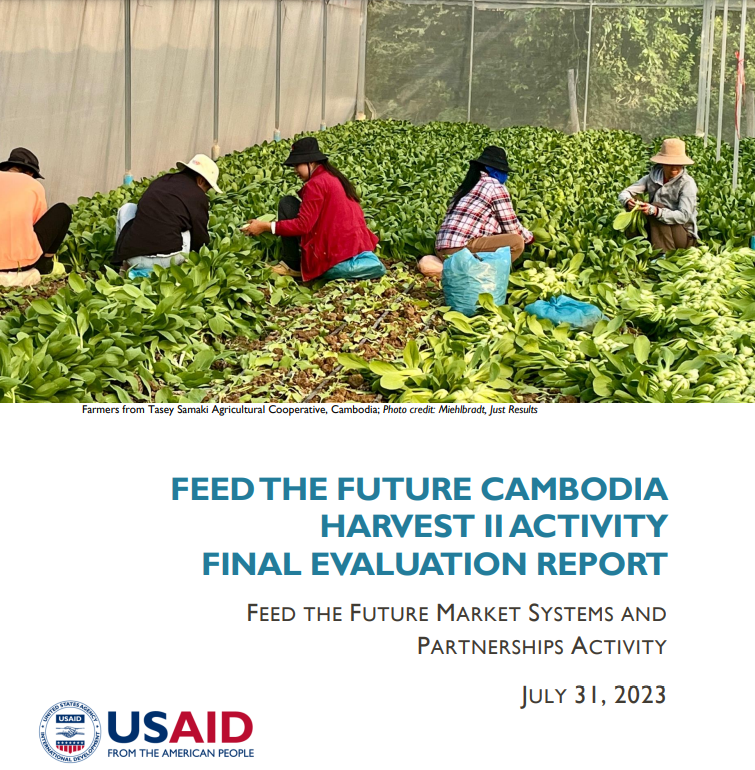
This report presents the findings from the final evaluation of the Feed the Future Cambodia Harvest II activity (Harvest II) funded by the United States Agency for International Development (USAID) and operating from 2017-2022. The approach taken by Harvest II represented a shift in emphasis from previous USAID-funded activities that offered support to agricultural production, moving intentionally towards a demand-driven, market systems development approach. The evaluation team was asked to assess the extent and nature of system change that resulted from the activity, and how farms and firms benefited. The team also assessed whether and how the project contributed to resilience, climate change mitigation, and environmental stewardship.
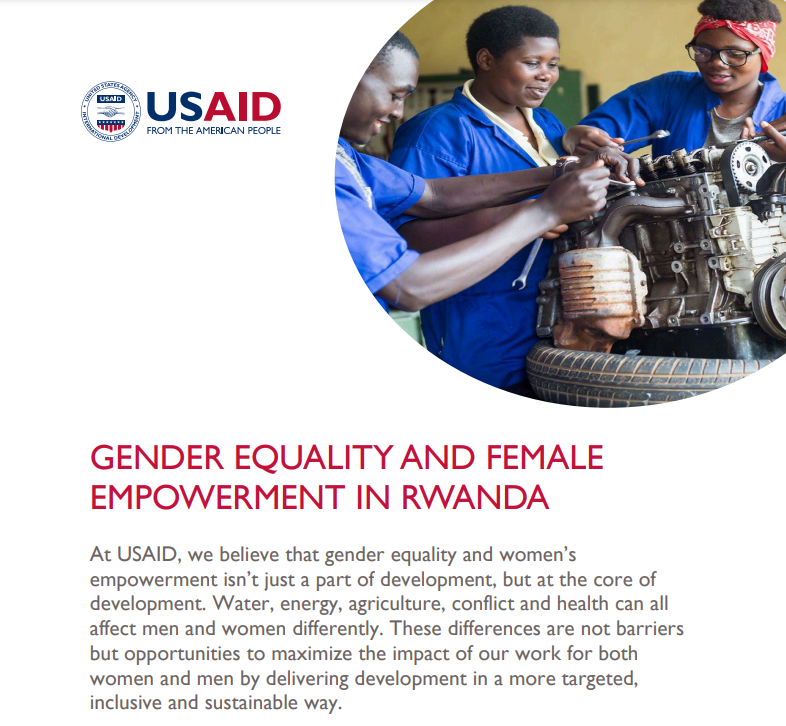
Rwanda is recognized as a leader in gender equality and women’s empowerment. Women hold positions making up 61 percent of the Rwandan Parliament, and 50 percent of the President’s cabinet. While these efforts are so important, challenges still remain, specifically when it comes to achieving socio-economic equality and cultural change at the community level.
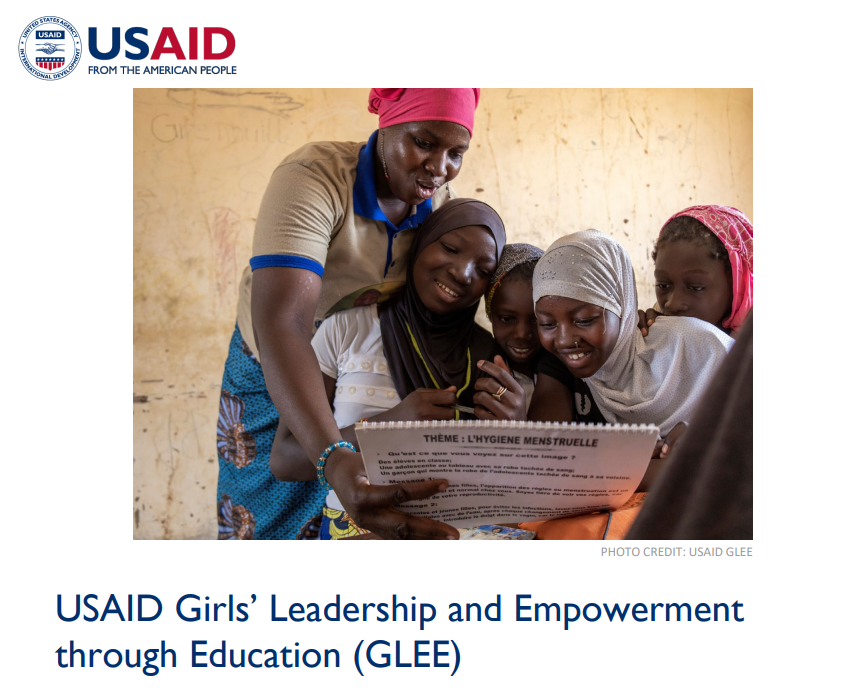
In line with USAID’s Education Policy, USAID Girls’ Leadership and Empowerment through Education (GLEE) decreases barriers to quality education in a safe and supportive learning environment for adolescent girls (10-18 years) while increasing the adoption of positive, healthy behaviors. USAID GLEE trains teachers to improve children’s learning, school management committees to improve transparency and accountability, and parents and community members to support girls’ access to learning.
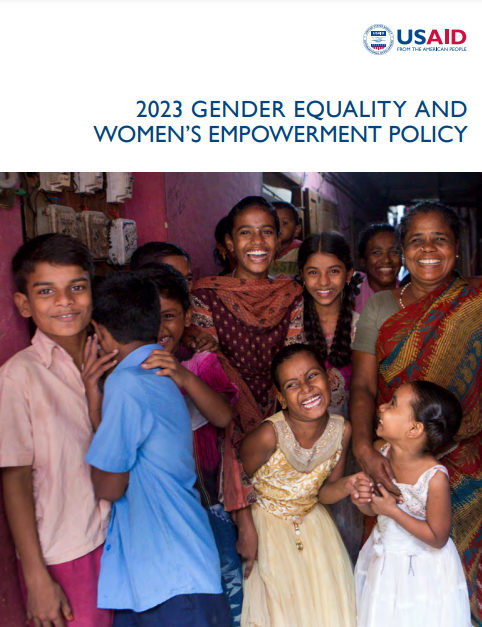
This policy provides the vision for USAID’s work to advance gender equality and women’s empowerment around the world—establishing our strategic objectives and driving investments across our operations and programs in order to achieve these aims.
This paper introduces the Women-Inclusive Return on Investment (WI-ROI) Framework, which builds on an existing body of evidence and research around the business case for investing in women’s inclusion. Rather than serve as a how-to guide, the WI-ROI Framework reflects the industry outlook on women’s inclusion at the firm level.
Recognizing the risks associated with climate change, several PIC have developed ambitious plans to mitigate greenhouse gas (GHG) emissions and to address adaptation needs.
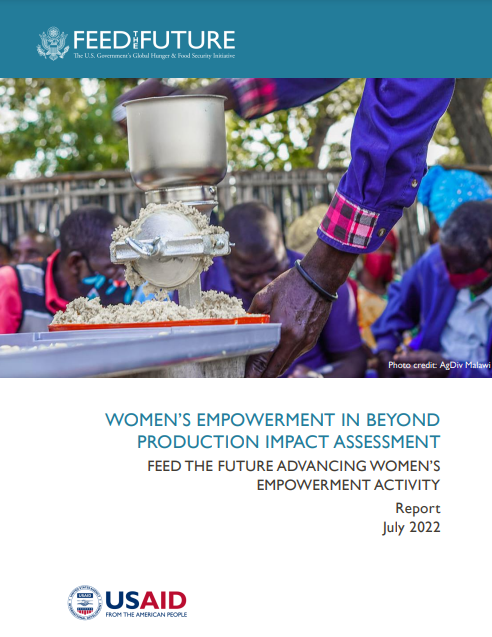
To understand the degree to which AgDiv contributed to those changes and how meaningful the changes were, the AWE team used Feed the Future’s Gender Integration Framework and select measurement guidance from the Project-Level Women’s Empowerment in Agriculture Index for Market Inclusion (PRO-WEAI+MI) survey tool. AWE grouped findings by the WEAI’s five domains: decisionmaking, access to control over resources, control over income, time use, and leadership and social capital.
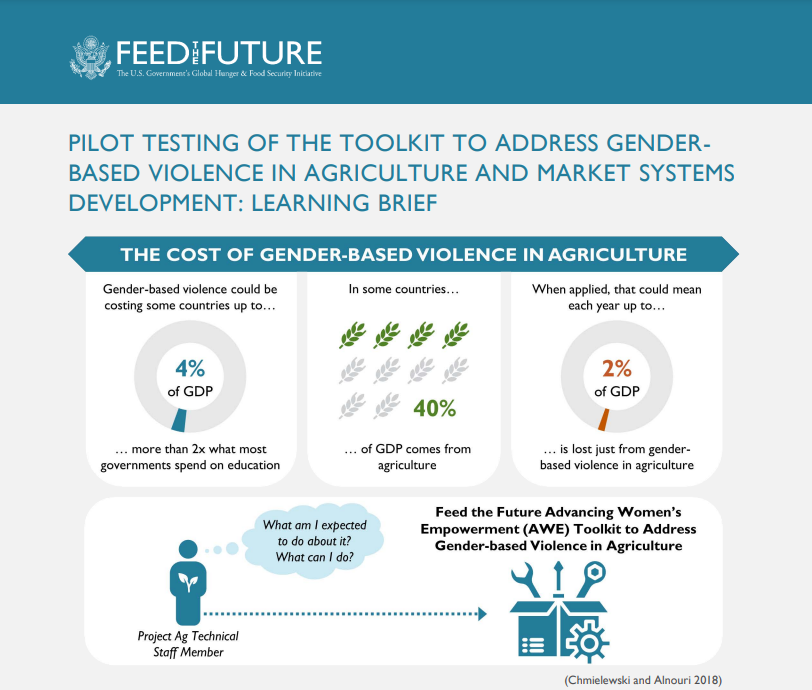
There are both strong moral and ethical reasons and a compelling business case for addressing GBV in the private sector, which are strongly interlinked: GBV not only negatively affects the health and well-being of those who experience it, it also reduces agricultural productivity, workplace and worker productivity, and workforce readiness, as well as market competitiveness, stability, and resilience.
“These steps will help us build a more inclusive Agency, one that is more diverse and willing to engage with new partners, more equitable in its impact, and more responsive to local voices. USAID’s legacy as the world’s leading bilateral development institution has always been an asset to the American people and a means for securing stability, security, and prosperity, both at home and abroad. This Joint Strategic Plan acknowledges and draws strength from this heritage to take on the challenges of today and prepare for those that will come tomorrow.”
The Toolkit to Address Gender-Based Violence in Agriculture and Market Systems Development seeks to prepare agriculture and MSD project staff to better identify and implement actions to address GBV where it arises in their projects.
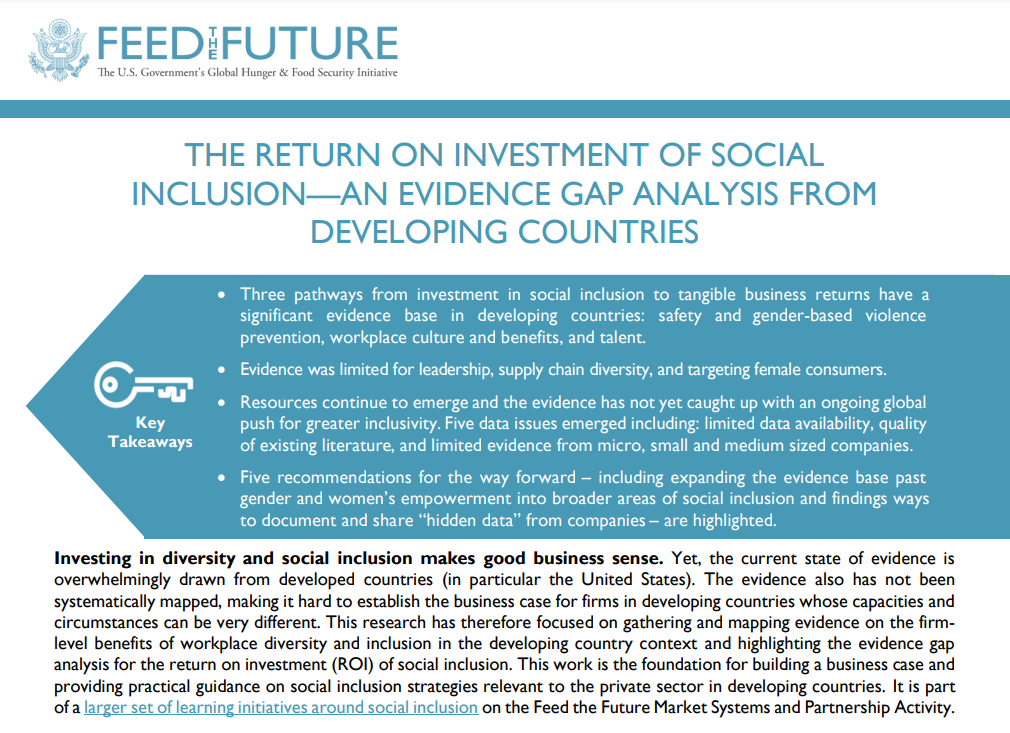
This research focuses on gathering and mapping evidence on the firm level benefits of workplace diversity and inclusion in the developing country context and highlighting the evidence gap analysis for the return on investment (ROI) of social inclusion. This work is the foundation for building a business case and providing practical guidance on social inclusion strategies relevant to the private sector in developing countries.
This brief documents how different private sector actors understand and measure social inclusion and its return on investment (ROI) as an initial step to frame further research on the business case for social inclusion in developing countries. This work will be the foundation for building a business case and providing practical guidance on social inclusion strategies relevant to the private sector in developing countries to maximize the ROI while furthering the development objective of social inclusion.