
-
Article
Brief
Meeting Notes
Presentation
Poster
Report
Toolkit
Video
Webinar
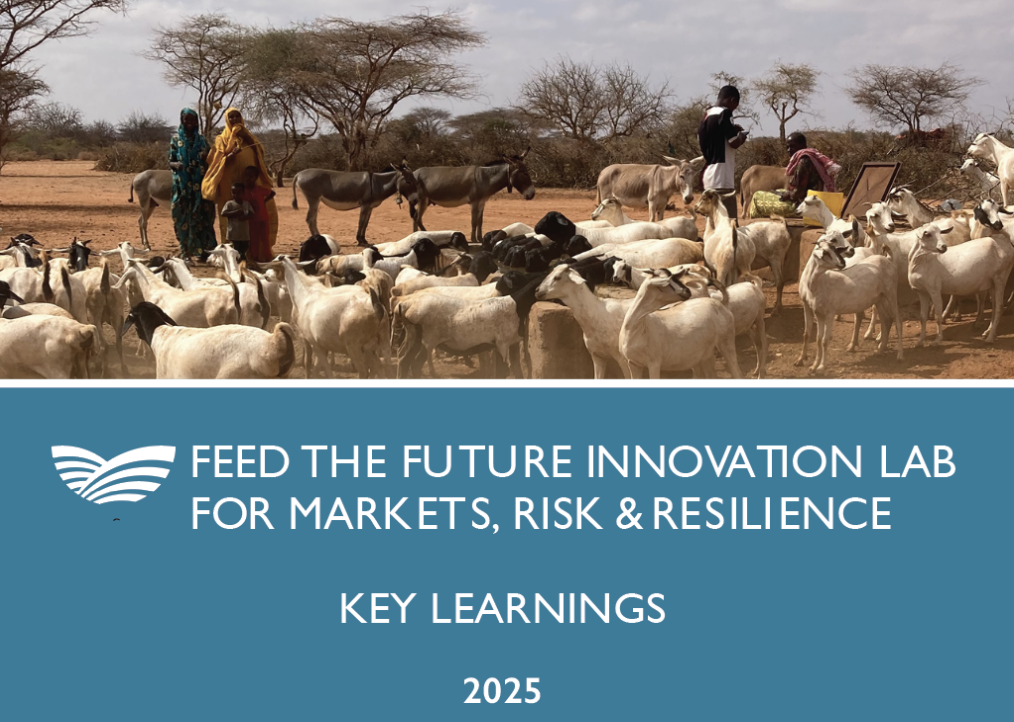
Feed the Future Innovation Lab for Markets, Risks, and Resilience — Key Learnings
This report describes the Feed the Future Innovation Lab for Markets, Risk & Resilience (MRR)’s contributions to (economic) knowledge surrounding small-scale agricultural households in developing countries. MRR research has deepened knowledge around entrenched development challenges and promising innovations for risk management and uptake of productivity-enhancing agricultural technologies.
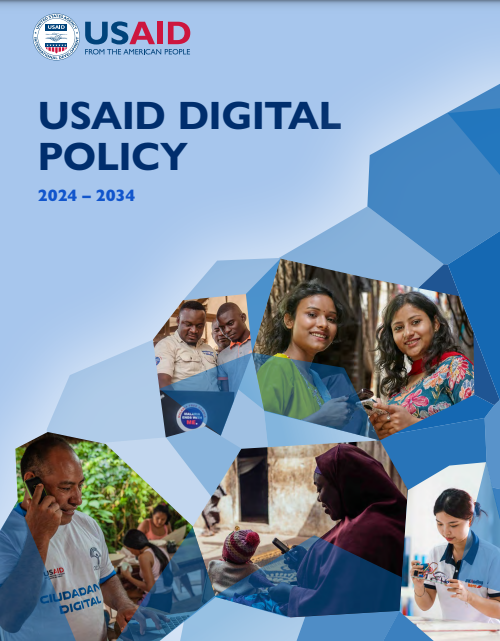
USAID Digital Strategy & Factsheet 2024-2034
As USAID looks to the next ten years and beyond, this Digital Policy+ will guide our efforts to innovate thoughtfully, enhance responsibility and accountability, generate reliable and usable evidence, and launch dynamic partnerships that support security, human rights, and economic prosperity for people everywhere.
USAID Geospatial Strategy
As the world’s premier development agency, USAID has a unique role to play in the growing field of geospatial visualization and analysis—as a thought leader and convener, as an enabler of locally led development, and as a champion for innovative development solutions. This Strategy will help USAID fully embody this role and serve as a stronger partner to the people who can benefit most from these technologies. Working together with the geospatial and international development and humanitarian communities, by leveraging the best of our respective assets and strengths, we can help societies become more resilient and capable of leading their own development journeys.

Girls' Leadership and Empowerment Through Education (GLEE)
In line with USAID’s Education Policy, USAID Girls’ Leadership and Empowerment through Education (GLEE) decreases barriers to quality education in a safe and supportive learning environment for adolescent girls (10-18 years) while increasing the adoption of positive, healthy behaviors. USAID GLEE trains teachers to improve children’s learning, school management committees to improve transparency and accountability, and parents and community members to support girls’ access to learning.
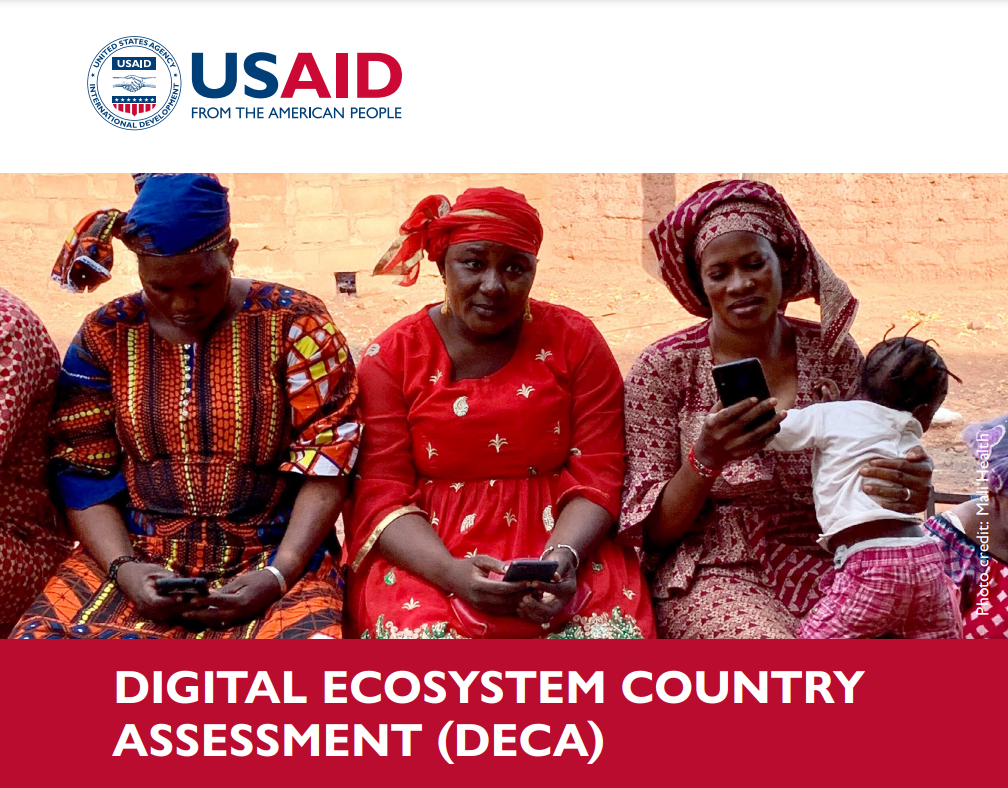
Digital Ecosystem Country Assessment (DECA): Mali 2023
The U.S. Agency for International Development’s (USAID’s) Digital Strategy was launched in April 2020 to achieve and sustain open, secure, and inclusive digital ecosystems that contribute to broad-based, measurable development and humanitarian assistance outcomes through the responsible use of digital technology.
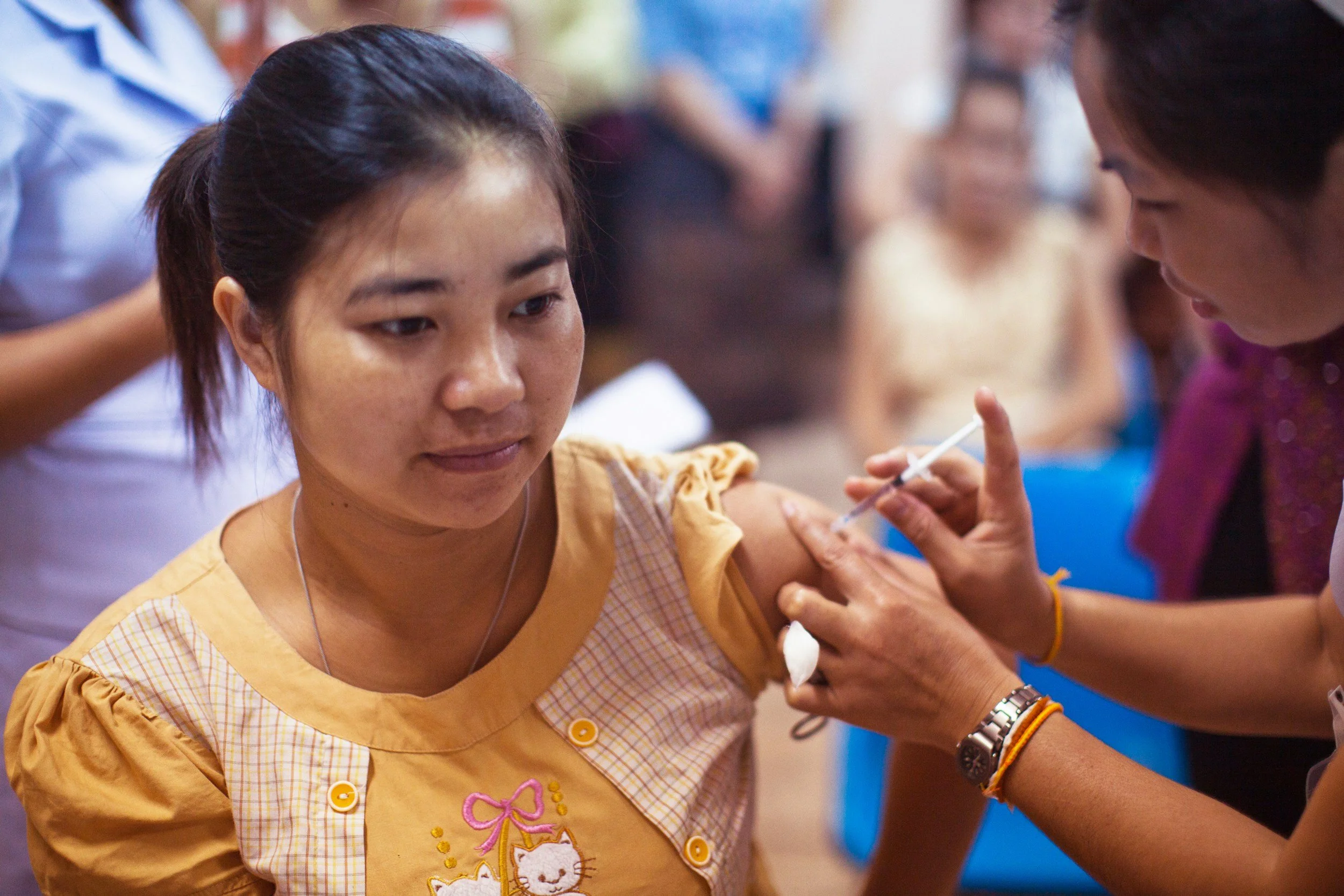
USAID Global Health Research and Development Strategy 2023-2028
This strategy describes USAID’s renewed commitment to research and development (R&D) and use of new, innovative health products and technologies; the implementation and scale-up of real world, evidence-based research and learning to improve health outcomes globally; and the strengthening of both local health research and development capacity and global research and development partnerships.

One Year Later: Helping Ukraine Win the War and Build Lasting Peace
To help meet Ukraine’s wartime needs and lay the foundation for a successful recovery, USAID has provided $13 billion in direct budget support, helping the Government of Ukraine (GoU) fund basic public services like healthcare, education, and emergency response; $1.4 billion in humanitarian assistance to save lives and meet the urgent needs of the Ukrainian people; and over $800 million in development assistance to bolster Ukraine’s energy grid, governance institutions, agriculture, small businesses, and civil society in wartime, while also remaining focused on what will be needed for recovery and reconstruction.
Artificial Intelligence Action Plan
As AI technologies are embedded and intertwined in digital ecosystems, a responsible approach to AI should include strengthening key aspects of the enabling ecosystem. This includes data systems, connectivity, and local workforce capacity. In addition, there must be a focus on strengthening the civil society structures holding AI systems and actors accountable, and shaping policy environments that in turn encourage open, inclusive, and secure digital ecosystems. Together, these investments will support governments, businesses, and individuals to sustainably and equitably benefit from the use of AI technologies.
Bureau for Resilience and Food Security Digital Strategy Action Plan
To work toward this vision, RFS aims to use digital technologies effectively to create more inclusive, efficient, prosperous, healthy, and connected agriculture, food, and water systems today — and more climate-smart and resilient agriculture, food, and water systems for tomorrow that sustainably support the health, well-being, and livelihoods of our target populations.
USAID Digital Strategy 2020-2024
The U.S. Agency for International Development (USAID) Digital Strategy (2020-2024) will position the Agency to advance our mission—to end the need for foreign assistance—through digitally supported programming that fosters the Journey to Self-Reliance in our partner countries and maximizes the benefits, while managing the risks that digital technology introduces into the lives of the communities we serve.
How To: Create Digital ID for Inclusive Development
This guide aims to: 1) illustrate how investments in ID systems can both positively and negatively impact individuals and their households, through the illustrative stories of Mary, Joy, and Samuel; and 2) provide specific how to guidance to help donors, program managers, and M&E specialists get started in thinking about ID ecosystems. This guide is specifically targeted towards USAID staff and implementing partners who are providing direct support on ID systems, providing advisory services to government ministries, or are trying to find ways to identify beneficiaries in a project or activity (regardless of the sector).