
-
Article
Brief
Meeting Notes
Presentation
Poster
Report
Toolkit
Video
Webinar
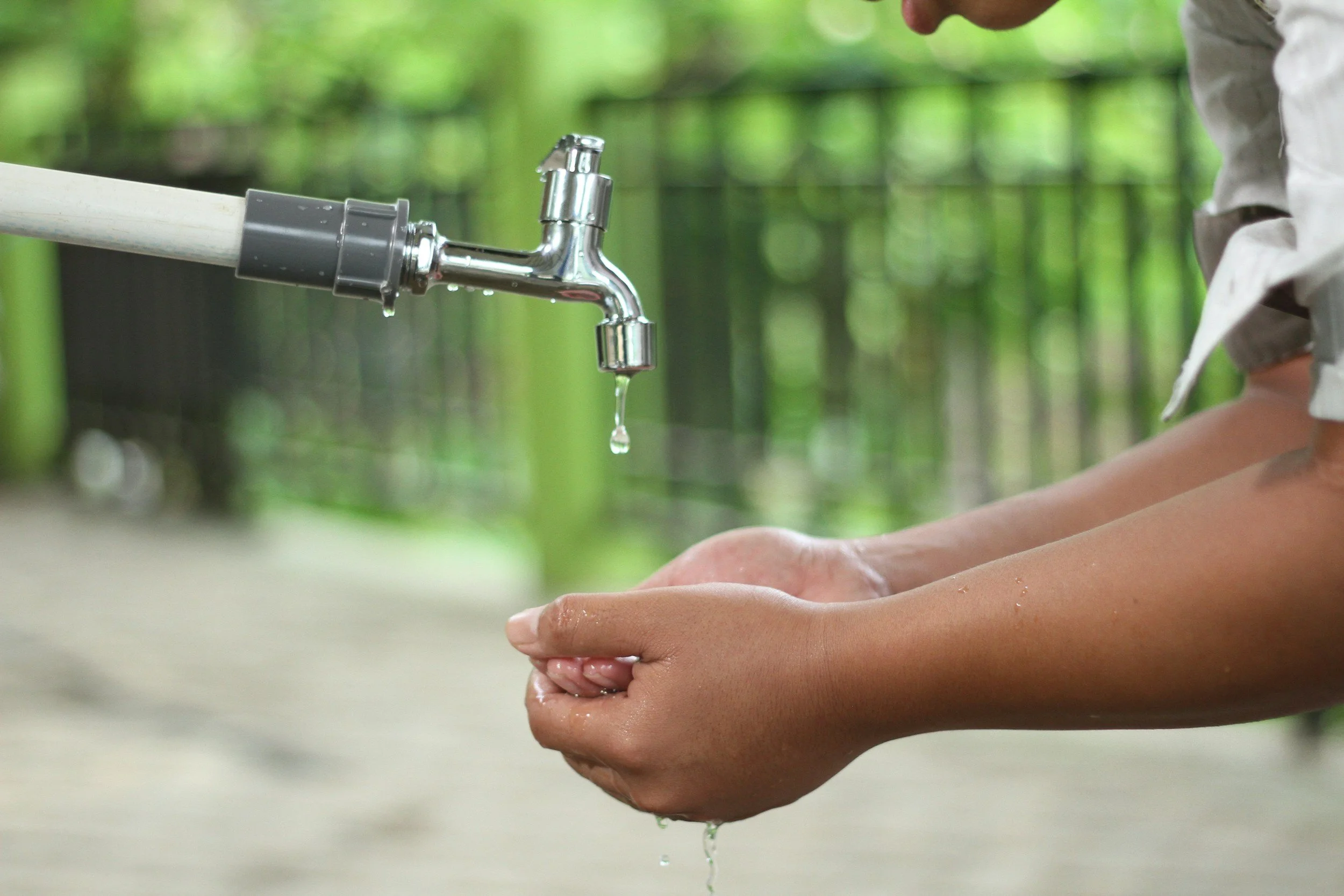
Water, Sanitation, and Hygiene Social Media Links They Forgot to Delete
While the Global Waters website was removed, no one deleted the related social media accounts. Check them out before they go away!
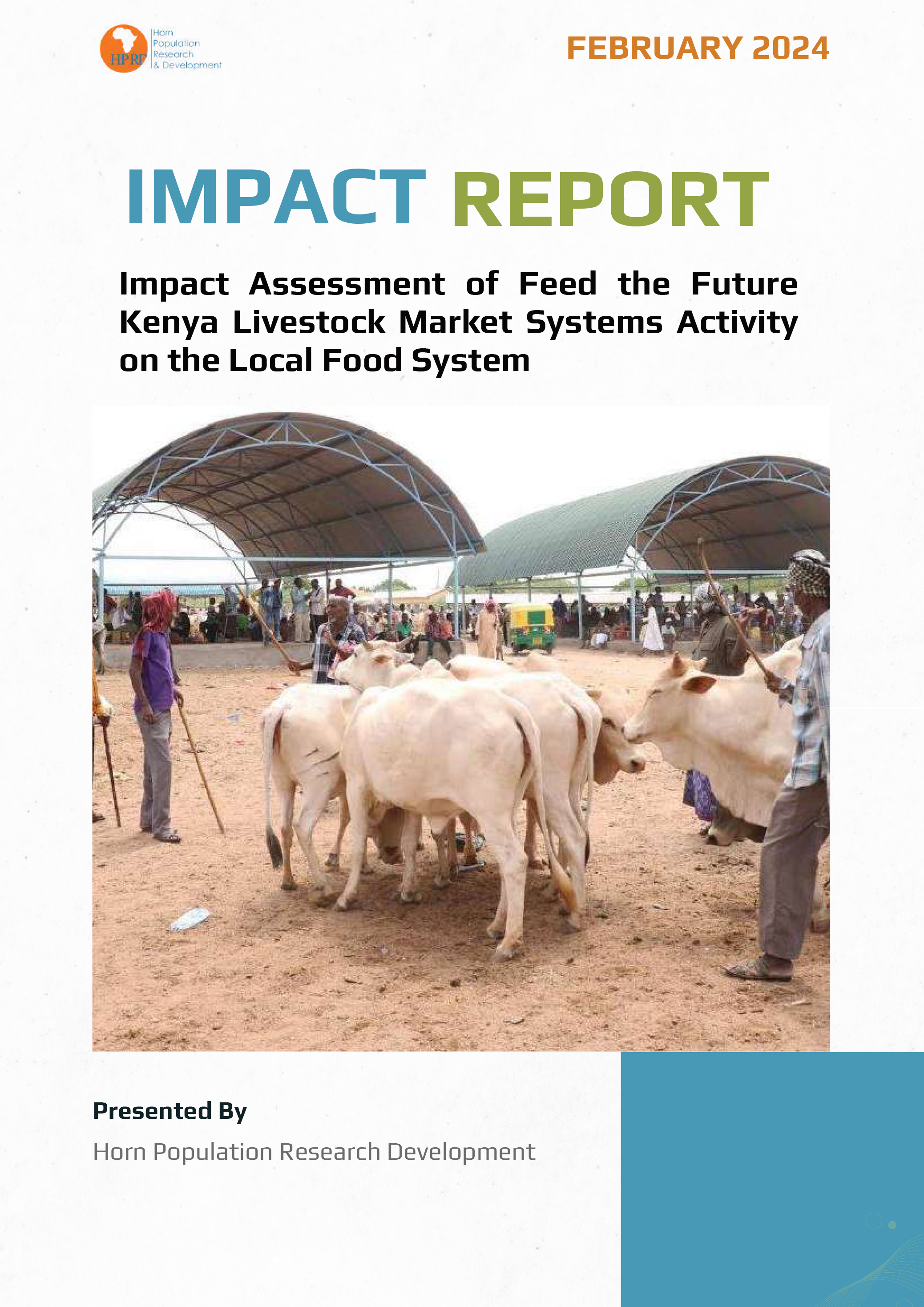
Impact Assessment of Feed the Future Kenya Livestock Market Systems Activity on the Local Food System
The Feed, the Future Kenya Livestock Market Systems Activity was a Five-year (2017-2022) Activity with Leader and Associate Awards funded by USAID and managed in a consortium of ACDI/VOCA, Mercy Corps, and their partners.
U.S. Government Global Water Strategy 2022-2027
The global water crisis continues to threaten United States (U.S.) national security and prosperity. Water insecurity endangers public health and food security and undermines economic growth. It also deepens inequalities and increases the likelihood of conflict and state failure.
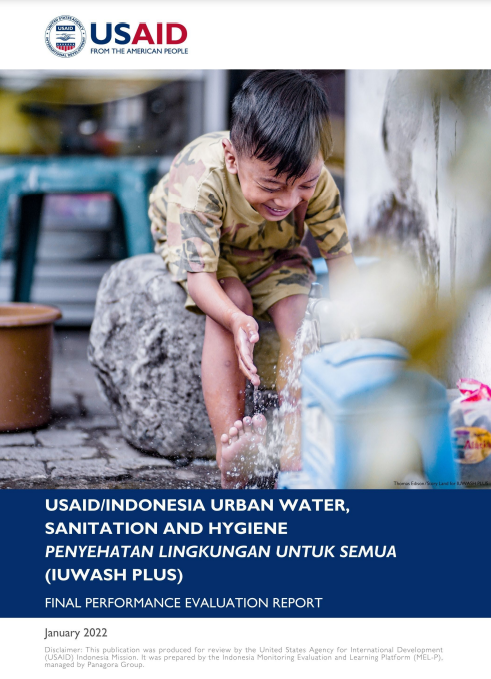
USAID/Indonesia Urban Water, Sanitation and Hygiene (IUWASH PLUS) Final Performance Evaluation Report
This final performance evaluation report of the USAID Indonesia Urban Water, Sanitation and Hygiene Penyehatan Lingkungan Untuk Semua (IUWASH PLUS) answers evaluation questions relating to performance indices and drivers, non-revenue water and energy efficiency interventions, the human resources roadmap, spring vulnerability assessments, and alternative financing. The evaluation team carried out a mixed-methods design remotely because of COVID-19 restrictions, using interviews and an online mini-survey. The report concludes that IUWASH PLUS made important gains in many areas and will leave important tools available to the Government of Indonesia and local partners. The evaluation team also offers a set of recommendations for the remaining time IUWASH PLUS is active, and for future USAID interventions in this sector.
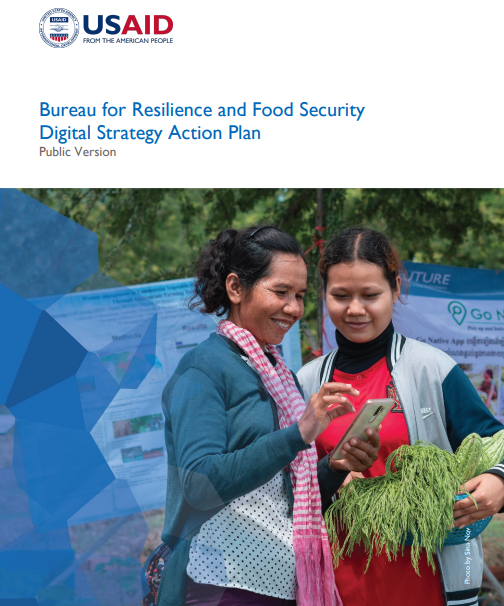
Bureau for Resilience and Food Security Digital Strategy Action Plan
To work toward this vision, RFS aims to use digital technologies effectively to create more inclusive, efficient, prosperous, healthy, and connected agriculture, food, and water systems today — and more climate-smart and resilient agriculture, food, and water systems for tomorrow that sustainably support the health, well-being, and livelihoods of our target populations.
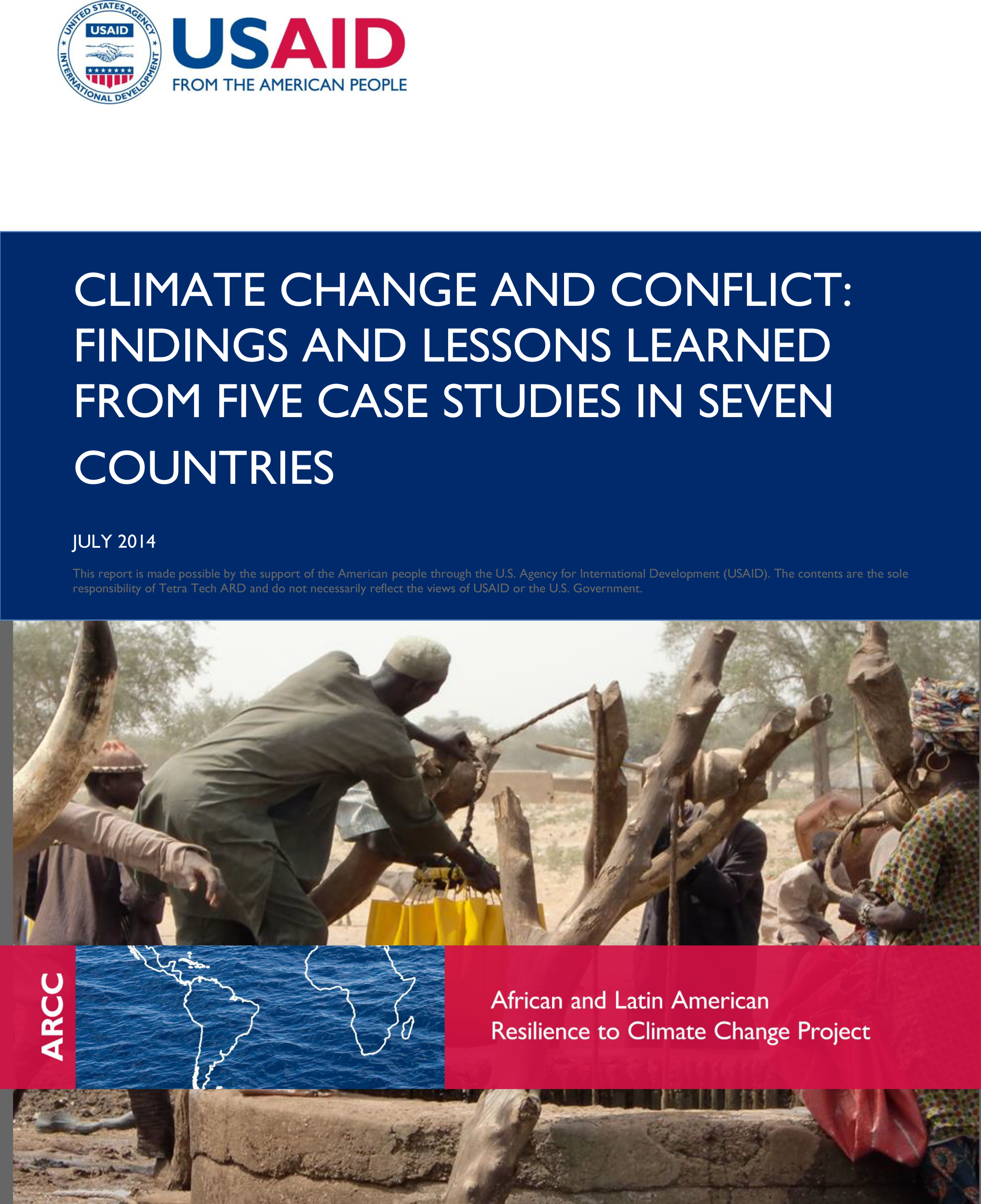
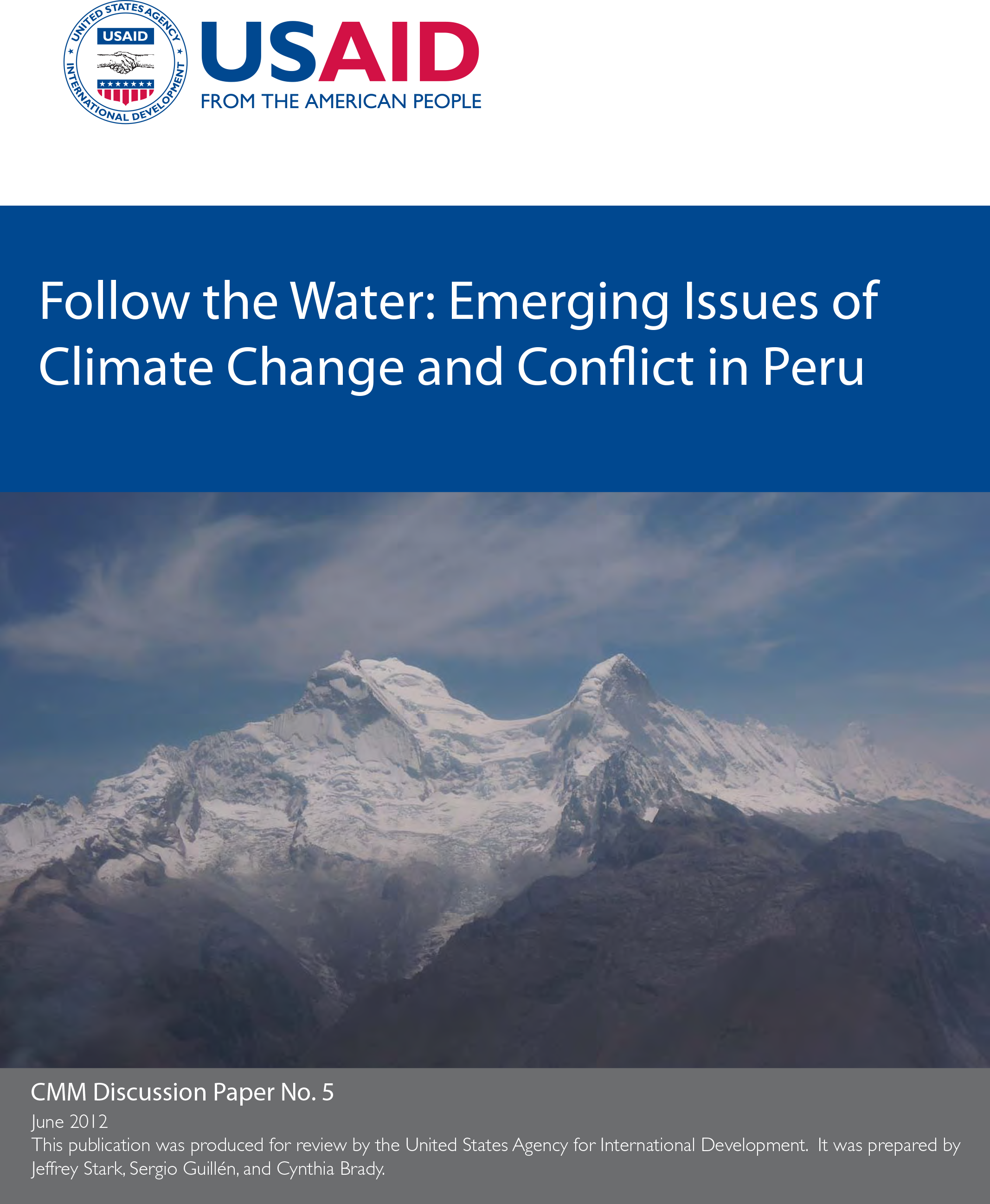
Follow the Water: Emerging Issues of Climate Change and Conflict in Peru
This study explores how the effects of climate change on water quantity, quality, and access may be factoring into aspects of localized instability, fragility, and conflict in Peru. To help guide the methodological approach, FESS developed a seven-phase framework—the Climate Change and Conflict Assessment Framework (CCCAF). The framework emphasizes one of the main conclusions of recent conflict analysis: conflict is always the result of the interactions of multiple political, economic, social, historical, and cultural factors, and these must be taken into account in any analysis. Moreover, the quality of governance and the resilience of political, economic, and social institutions all mediate the relationship between environmental change and conflict in important ways. The influence of climate change and climate-related policy and program responses on instability and conflict can only be understood within this web of relationships.