
Featured
While the Agrilinks website was removed, no one deleted the related social media accounts. Check them out before they go away!
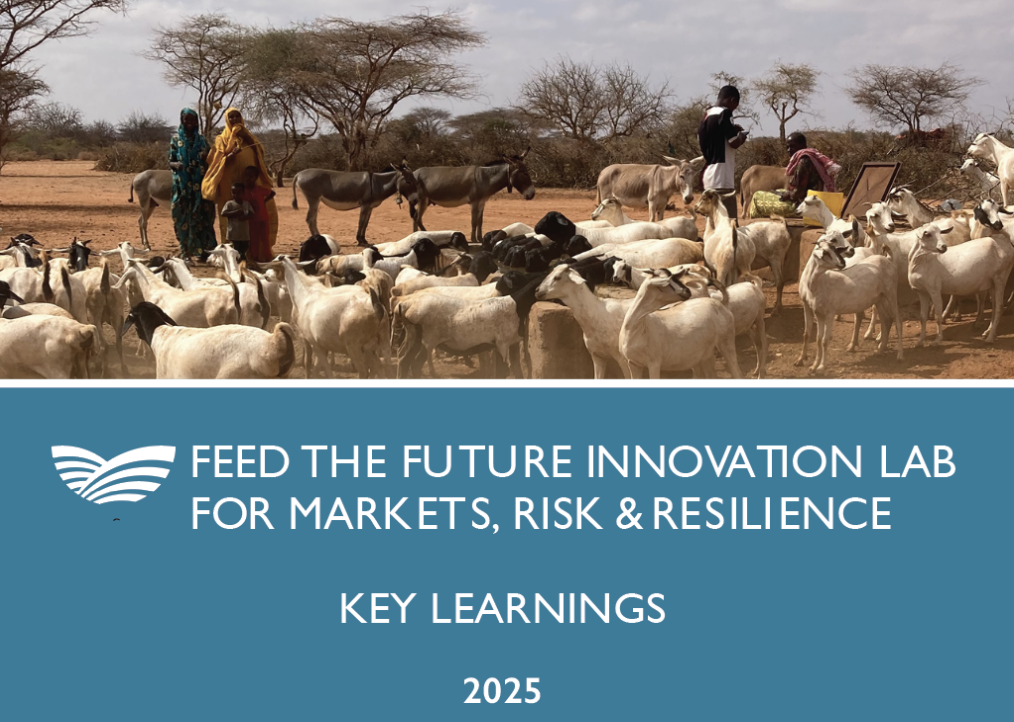
This report describes the Feed the Future Innovation Lab for Markets, Risk & Resilience (MRR)’s contributions to (economic) knowledge surrounding small-scale agricultural households in developing countries. MRR research has deepened knowledge around entrenched development challenges and promising innovations for risk management and uptake of productivity-enhancing agricultural technologies.
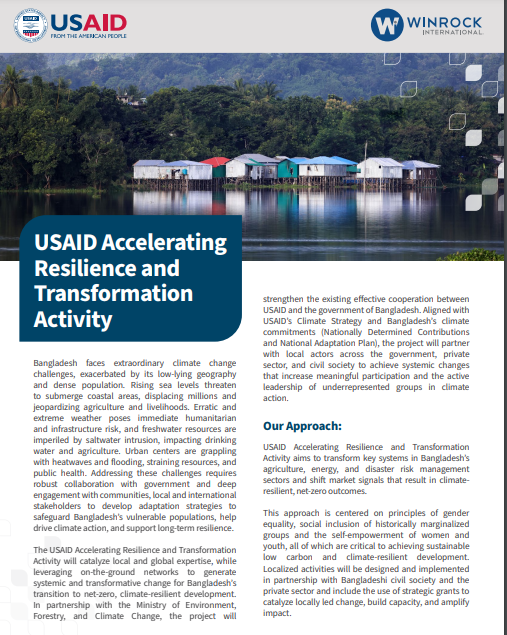
USAID Accelerating Resilience and Transformation Activity aims to transform key systems in Bangladesh’s agriculture, energy, and disaster risk management sectors and shift market signals that result in climate resilient, net-zero outcomes. This approach is centered on principles of gender equality, social inclusion of historically marginalized groups and the self-empowerment of women and youth, all of which are critical to achieving sustainable low carbon and climate-resilient development. Localized activities will be designed and implemented in partnership with Bangladeshi civil society and the private sector and include the use of strategic grants to catalyze locally led change, build capacity, and amplify impact.
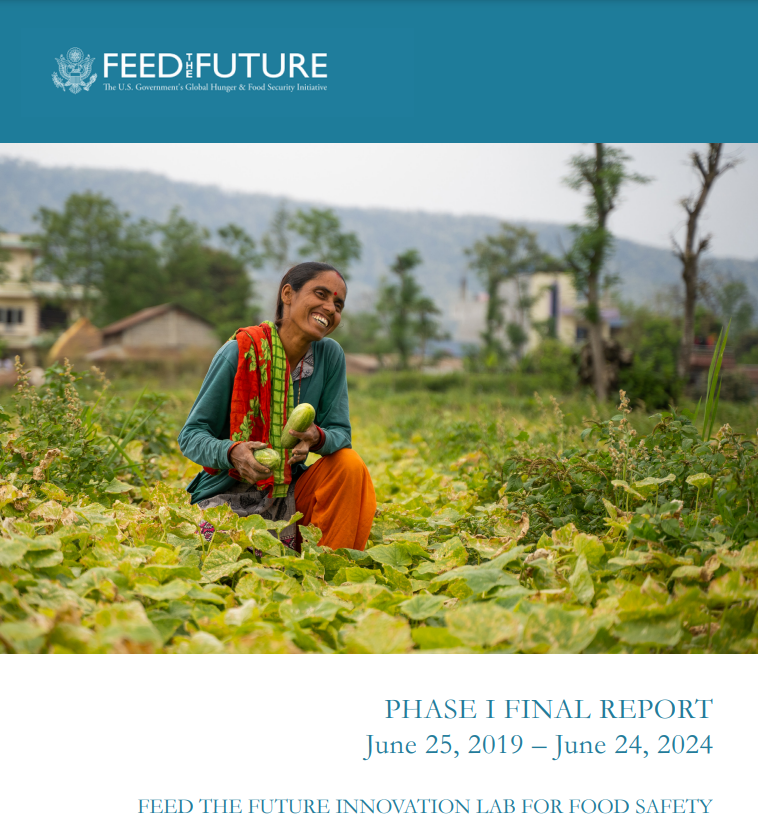
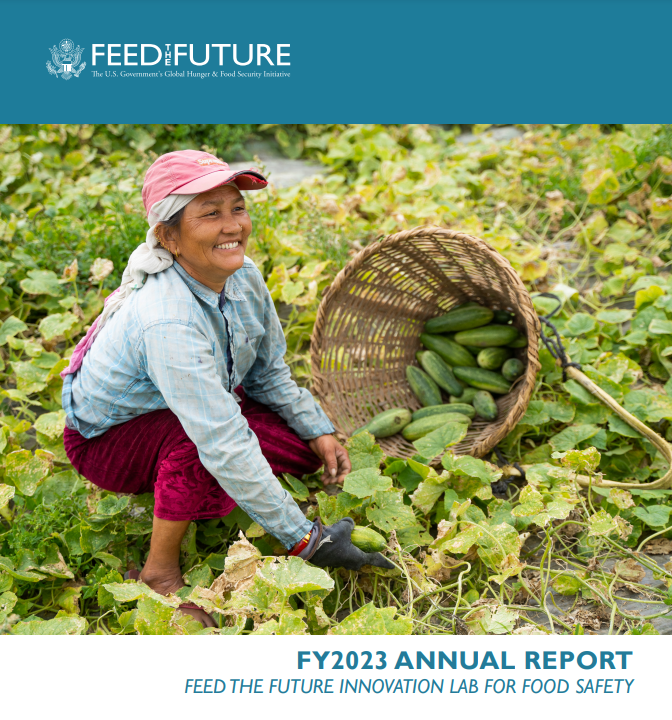
This report presents progress over the first five-year phase of the Feed the Future Innovation Lab for Food Safety (June 25, 2019 – June 24, 2024). The Food Safety Innovation Lab (FSIL), managed by Purdue and Cornell Universities, has leveraged global food safety expertise in locally-led projects that address the root causes of foodborne illness. Phase I FSIL projects were designed to create systemic change to strengthen household and community nutrition, food security, and economic opportunity by identifying food safety knowledge gaps, supporting data-driven food safety practices and policies, and strengthening local food safety capacity.
Facilitate inclusive, resilient growth in the agriculture and food system to sustainably reduce poverty, food insecurity, and malnutrition. By September 30, 2025, annual sales by assisted farms and firms in the agriculture and food system will exceed the previous three year average by 10 percent.
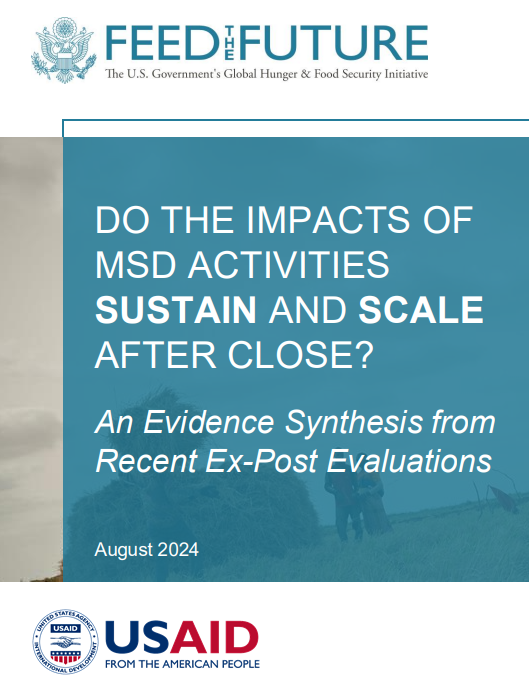
As part of a series of ex-post studies conducted 3+ years after implementation ended, USAID is building the evidence base for sustainability, scale, and impact on target populations from use of the market systems development (MSD) approach.
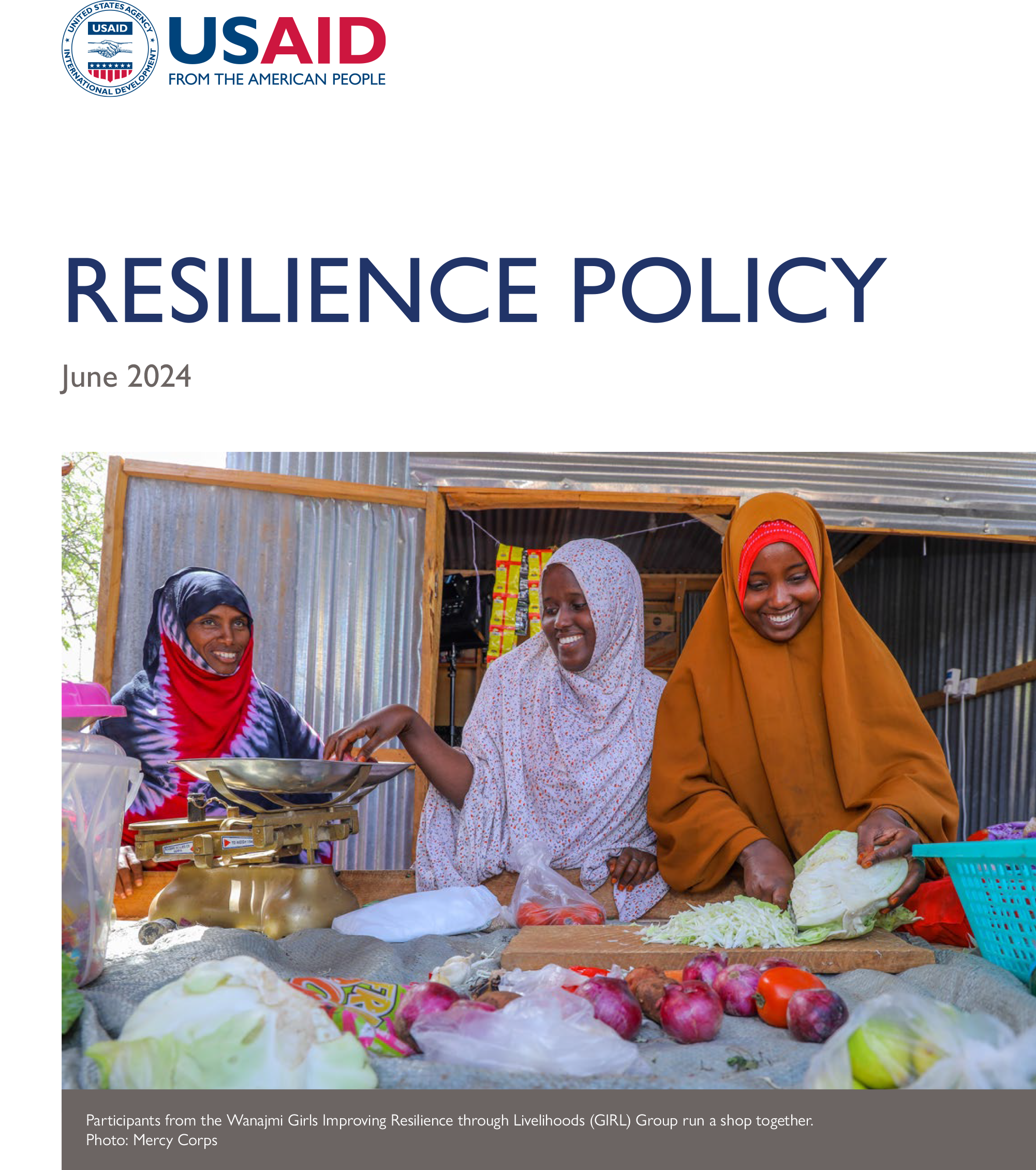
As an update to USAID’s inaugural resilience policy (2012), this policy reiterates the goal of reducing humanitarian need in areas of recurrent crisis while also reinforcing resilience as an Agency priority across all USAID programming.
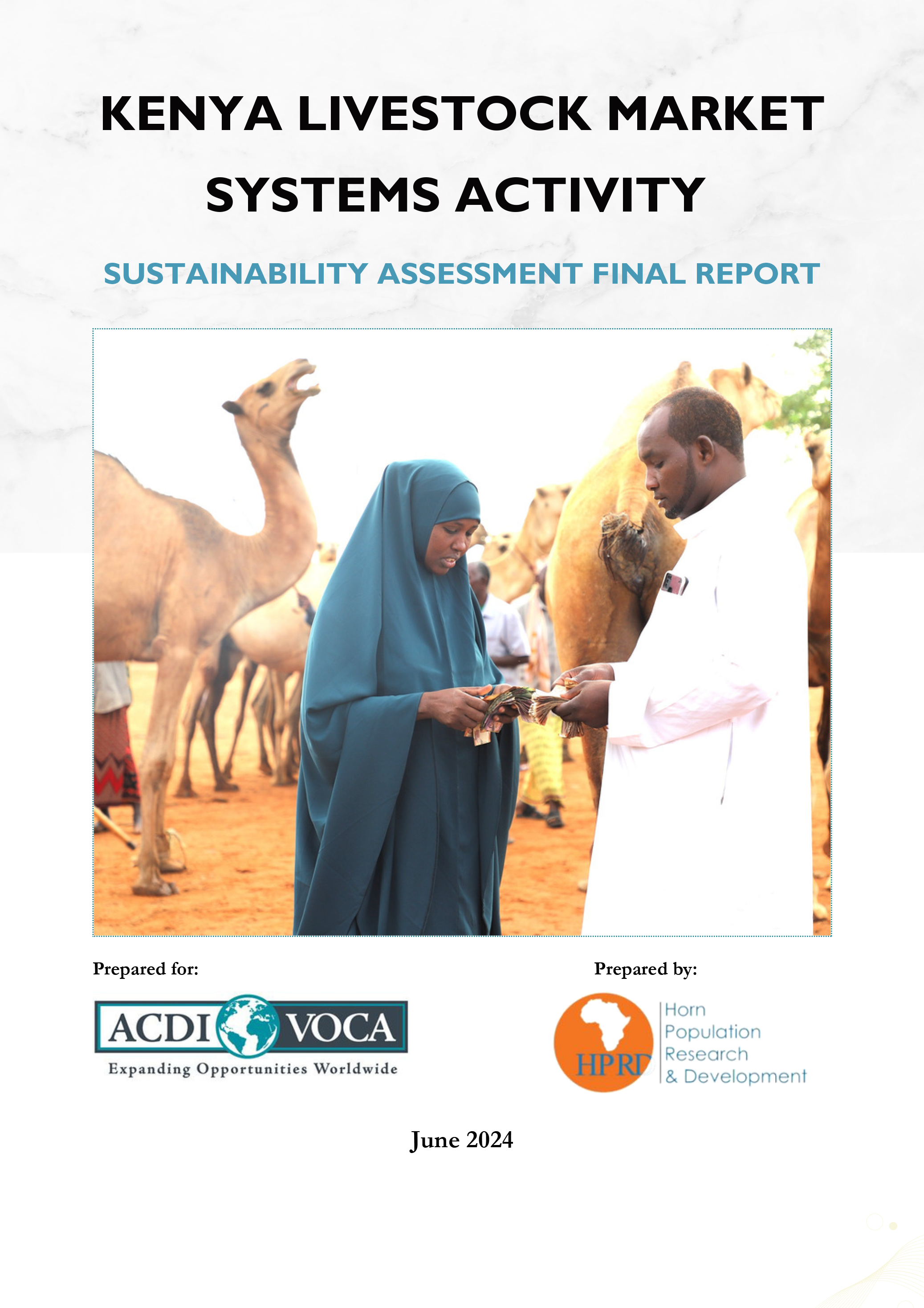
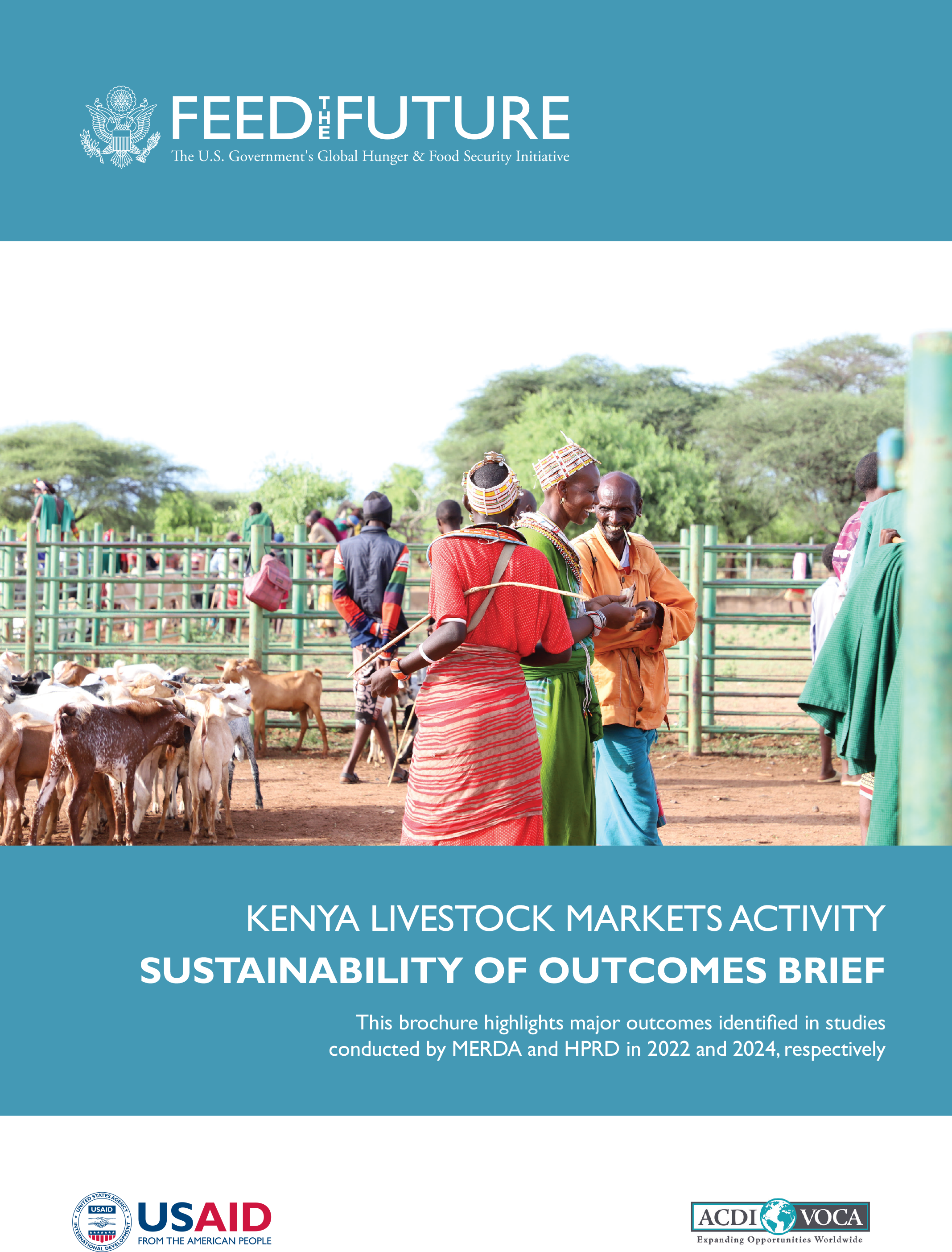
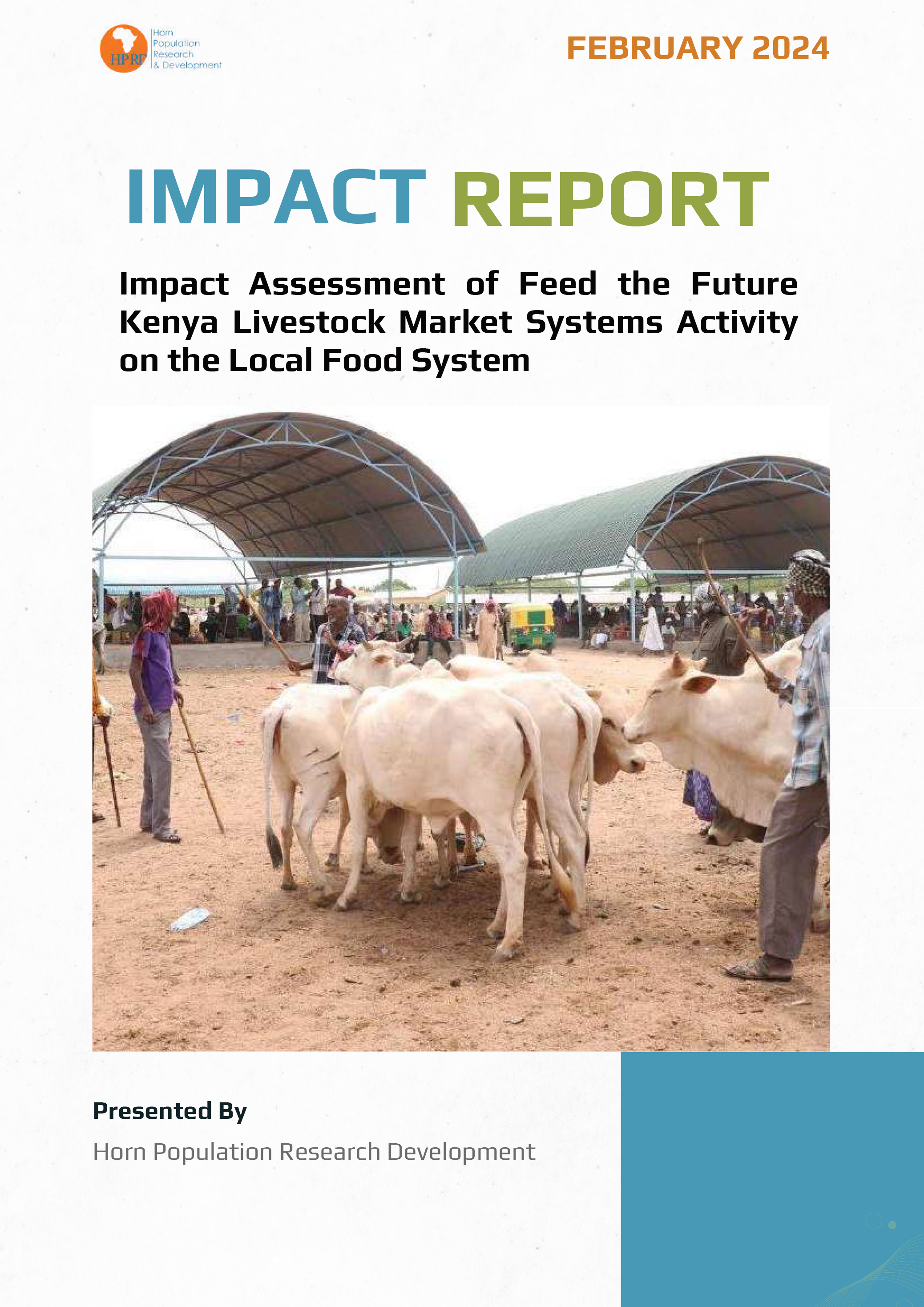
The Feed the Future Kenya Livestock Market Systems Activity (USAID's LMS) is a USAID-funded initiative aimed at enhancing resilience against shocks and stresses in Northern Kenya.
The Kenya Livestock Market Systems Activity is a United States Agency for International Development (USAID)-funded program that is part of the Feed the Future initiative for addressing poverty, hunger, and malnutrition.
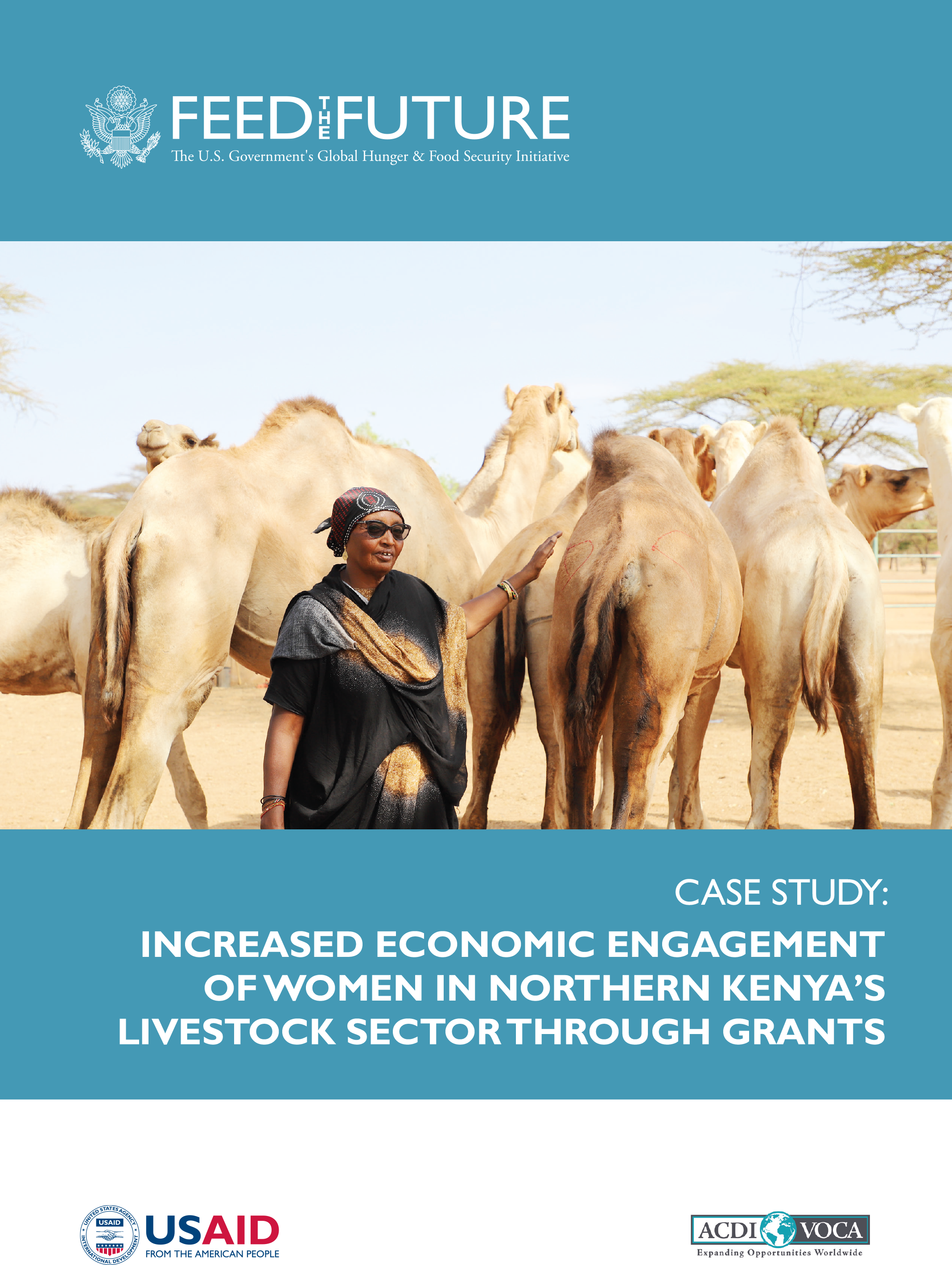
Deeply ingrained gender norms around livestock ownership and management have historically limited women's participation and decision-making in northern Kenya’s livestock sector, which has been traditionally dominated by men,
USAID LMS had a specific objective of promoting gender equity and women's empowerment by supporting vulnerable women and girls in building incomes and social capital to enhance resilience to shocks.
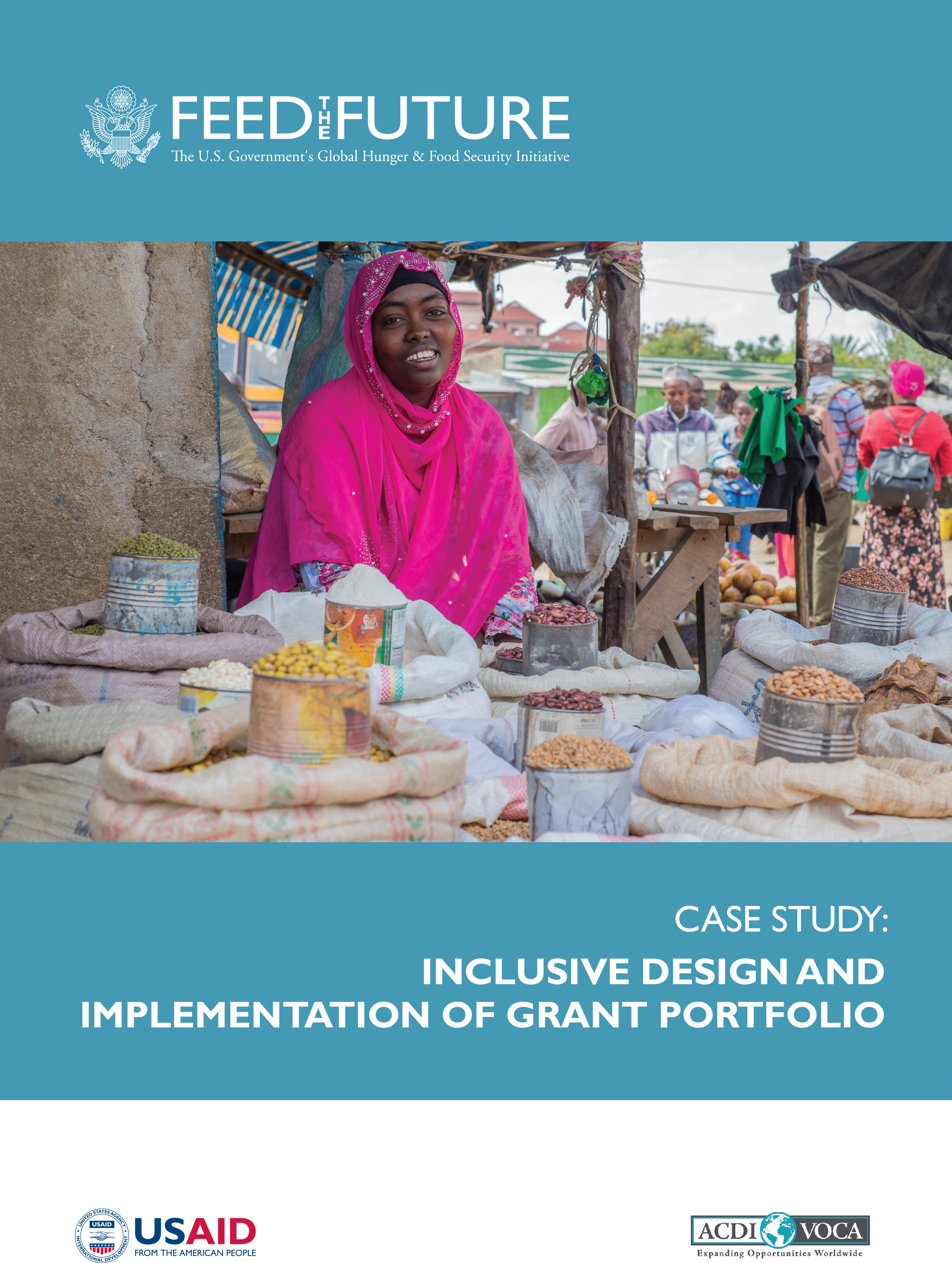
This brief presents baseline learnings to inform stakeholders and activities striving towards more inclusive and equitable agricultural market systems.
This synthesis report encourages USAID, other donors, and managers of private sector investment funds to further develop evidence on the financial return of women-inclusive investments.
This report addresses a well-recognized evidence gap1 on the longer-term impacts created by market driven programming; specifically, programming influenced by market systems development (MSD) principles.
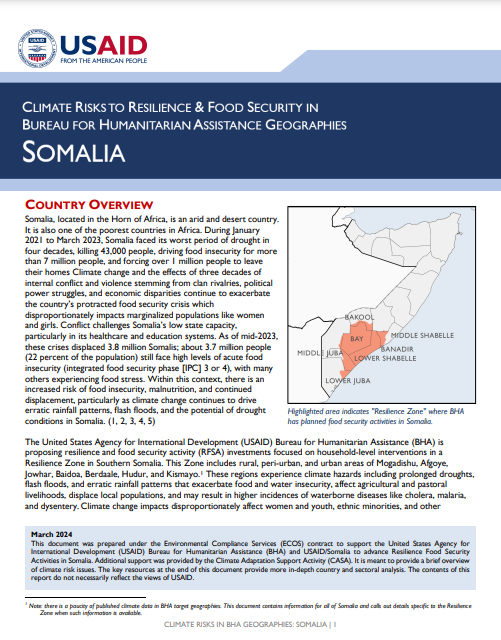
The United States Agency for International Development (USAID) Bureau for Humanitarian Assistance (BHA) is proposing resilience and food security activity (RFSA) investments focused on household-level interventions in a Resilience Zone in Southern Somalia.
This learning note provides key insights gained from the process of vetting and selecting companies. It is targeted toward implementing partners that are managing portfolios of firms and want to select SMEs for WI-ROI calculations or social impact.
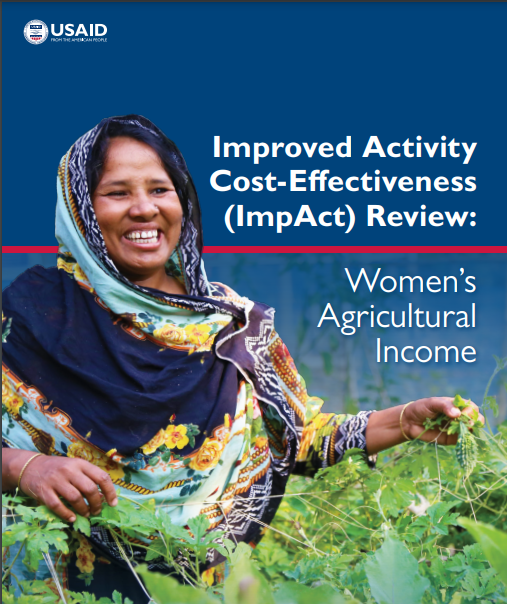
This ImpAct Review was conducted to inform missions seeking to integrate gender into Feed the Future programs, and summarizes impact evidence on which interventions have the greatest impact on women’s agricultural income.
The Feed, the Future Kenya Livestock Market Systems Activity was a Five-year (2017-2022) Activity with Leader and Associate Awards funded by USAID and managed in a consortium of ACDI/VOCA, Mercy Corps, and their partners.
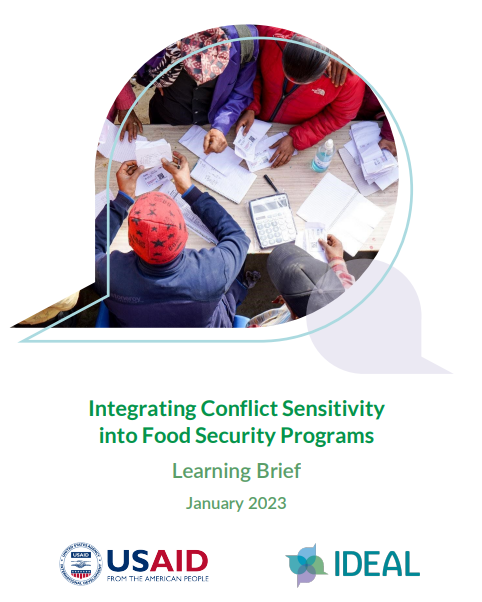
This brief assesses prevailing practices, successes, challenges, lessons learned, and recommendations around integrating conflict sensitivity into food security programs. Ultimately, conflict sensitivity is not only about managing and mitigating risk, but also about seeking opportunities to promote peace. In this respect, this learning brief can contribute to USAID’s calls for greater coherence in humanitarian, development, and peace programming by supporting aid actors to “champion conflict integration and opportunities for enabling or building peace where possible.”
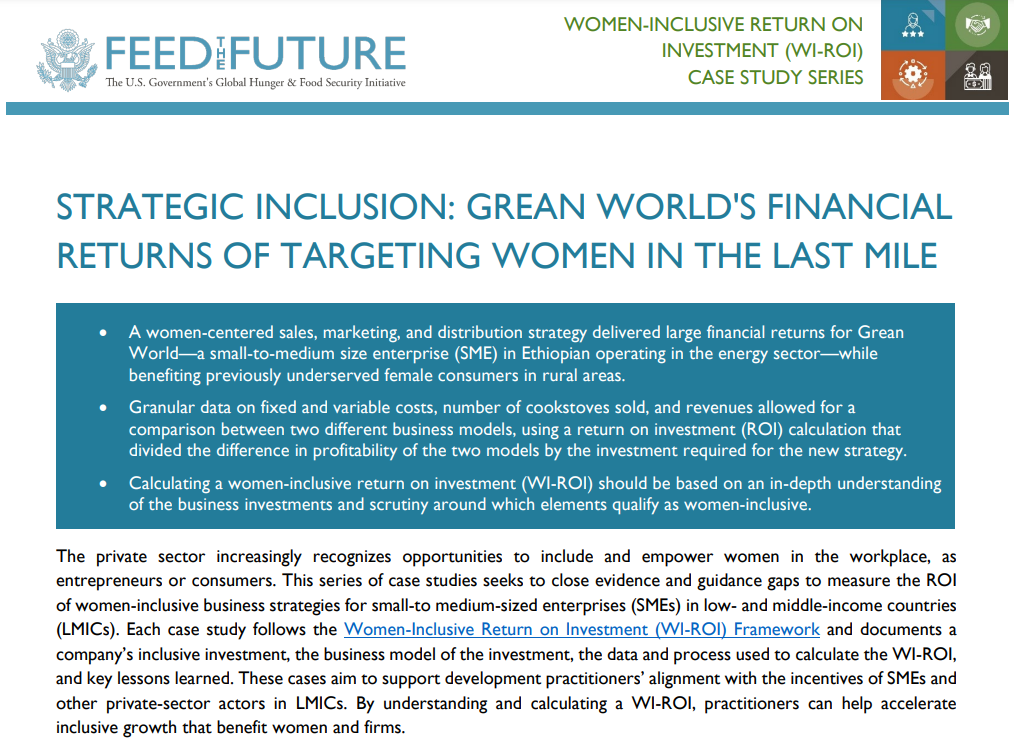
This particular case study focuses on Grean World, an SME in Ethiopia. It examines how applying a women-centered approach to marketing and sales addresses the energy needs of female consumers in rural and remote areas in Ethiopia, while delivering financial returns for Grean World.
In FY2023, the Feed the Future Innovation Lab for Food Safety (FSIL) subaward projects in Bangladesh, Cambodia, Kenya, Nepal, Nigeria, and Senegal made significant progress in data collection to better understand microbial food safety challenges in each focus country, analyze the roles and opportunities for women in food safety and in different food value chains, and identify appropriate food safety interventions. All projects entered their final year of activities (year three for long-term subawards in Bangladesh, Cambodia, Kenya, and Senegal and year two for short-term subawards in Nepal and Nigeria) and many have started to analyze data and disseminate results. In FY2023, FSIL subaward projects published nine peer-reviewed journal articles, gave seven conference presentations, and hosted workshops and training sessions for producers, extension agents, government stakeholders, and the private sector.
The MEL Plan is designed based on the CRCIL’s goals, and expected outputs, outcomes, and impacts, taking into consideration the corresponding MEL activities required to assess progress in its achievements. It establishes a sustainable system for ensuring the quality and validity of data by employing rigorous procedures towards the adaptive management necessary to quantify the progress and impact of proposed activities and measure program contributions to the overall program goal. The MEL Plan Collaborating, Learning, and Adapting (CLA) approach, based on the United States Agency for International Development’s (USAID) CLA approach, and CRCIL’s Theory of Change (TOC) will guide the refinement of activity design as needed, based on new evidence, continual learning, and complexity-aware monitoring and innovative evaluation activities.
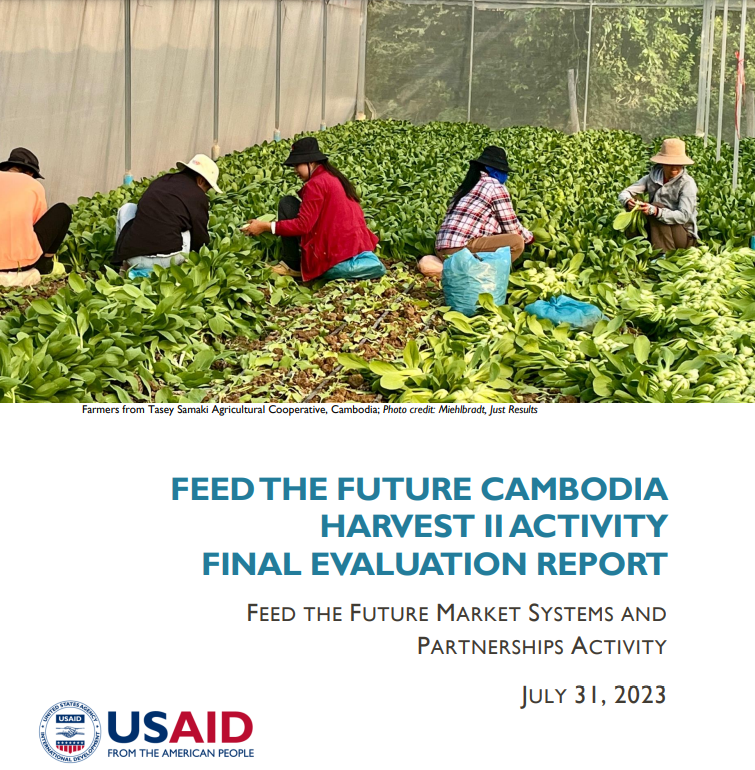
This report presents the findings from the final evaluation of the Feed the Future Cambodia Harvest II activity (Harvest II) funded by the United States Agency for International Development (USAID) and operating from 2017-2022. The approach taken by Harvest II represented a shift in emphasis from previous USAID-funded activities that offered support to agricultural production, moving intentionally towards a demand-driven, market systems development approach. The evaluation team was asked to assess the extent and nature of system change that resulted from the activity, and how farms and firms benefited. The team also assessed whether and how the project contributed to resilience, climate change mitigation, and environmental stewardship.
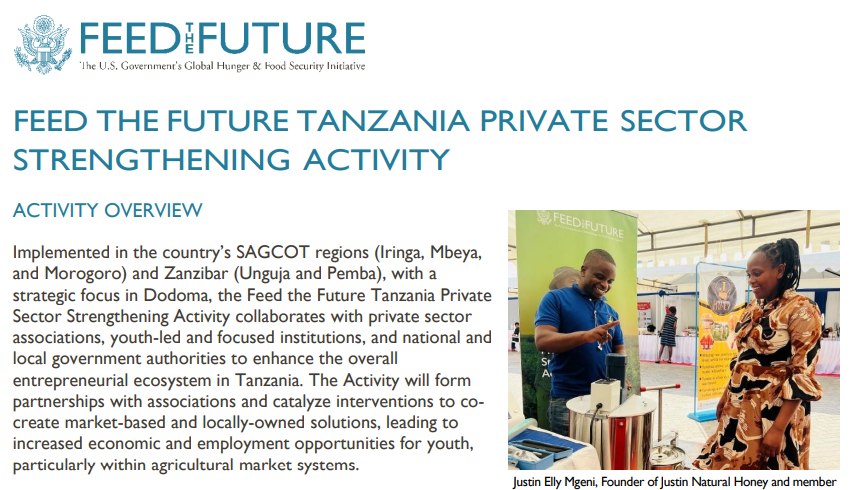
The Activity will form partnerships with associations and catalyze interventions to cocreate market-based and locally-owned solutions, leading to increased economic and employment opportunities for youth, particularly within agricultural market systems.
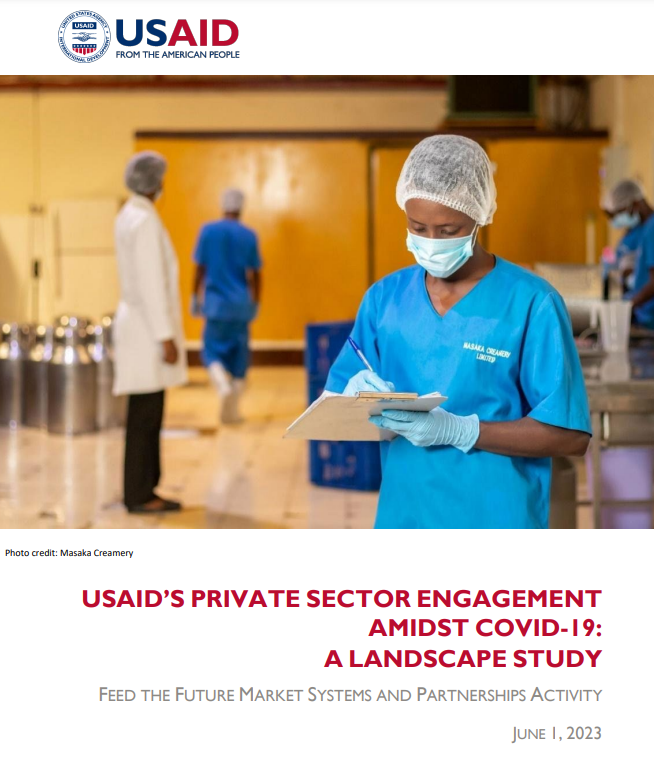
In order to better understand how USAID engaged with the private sector to improve firm resilience during the COVID-19 pandemic — and to what extent the agency was successful in doing so — USAID commissioned research through the Private Sector Engagement (PSE) Hub in collaboration with the Bureau of Policy, Planning and Learning’s Office of Learning, Evaluation and Research (PPL/LER), as part of a series of learning activities related to USAID’s COVID-19 Learning Agenda.