
-
Article
Brief
Meeting Notes
Presentation
Poster
Report
Toolkit
Video
Webinar
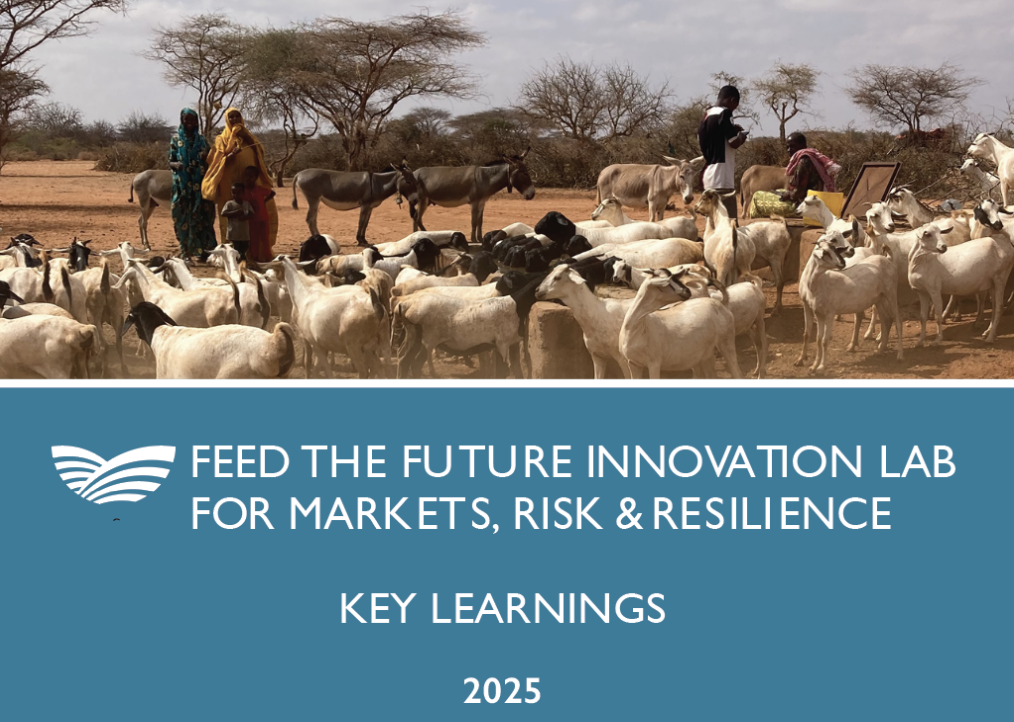
Feed the Future Innovation Lab for Markets, Risks, and Resilience — Key Learnings
This report describes the Feed the Future Innovation Lab for Markets, Risk & Resilience (MRR)’s contributions to (economic) knowledge surrounding small-scale agricultural households in developing countries. MRR research has deepened knowledge around entrenched development challenges and promising innovations for risk management and uptake of productivity-enhancing agricultural technologies.
Adherence to Standards for MNH Service Delivery at Public and Private Facilities
This analysis, conducted under the Data for Impact (D4I) award, leverages Service Provision Assessment (SPA) data from 2012–2022 to evaluate the adherence of MNH service providers to WHO process standards. The study examines differences between public and private facilities, including for-profit and not-for-profit (NFP) facilities, and tracks changes over time in selected countries.
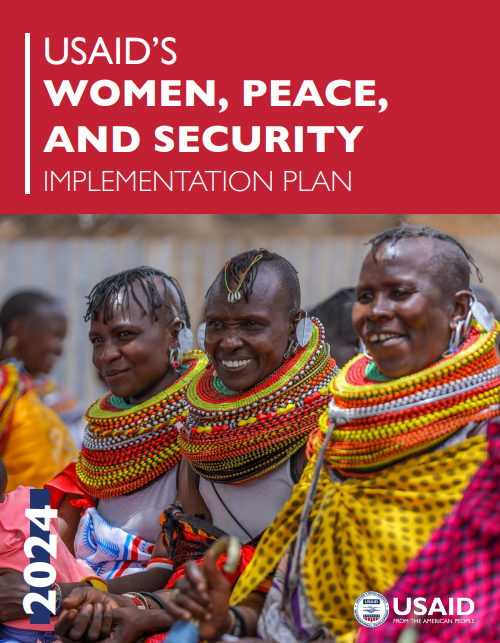
USAID's Women, Peace, and Security Implementation Plan 2024
As outlined in the Women, Peace, and Security Act of 2017, women and girls are disproportionately impacted by conflict. The status of women and the stability of nations are inextricably linked - higher levels of gender equality make countries more prosperous, secure, and democratic;3 and peace agreements are 35% more likely to last 15 years or more when women meaningfully participate4 in peace processes. Thus, the WPS Agenda is critical to USAID’s development efforts.
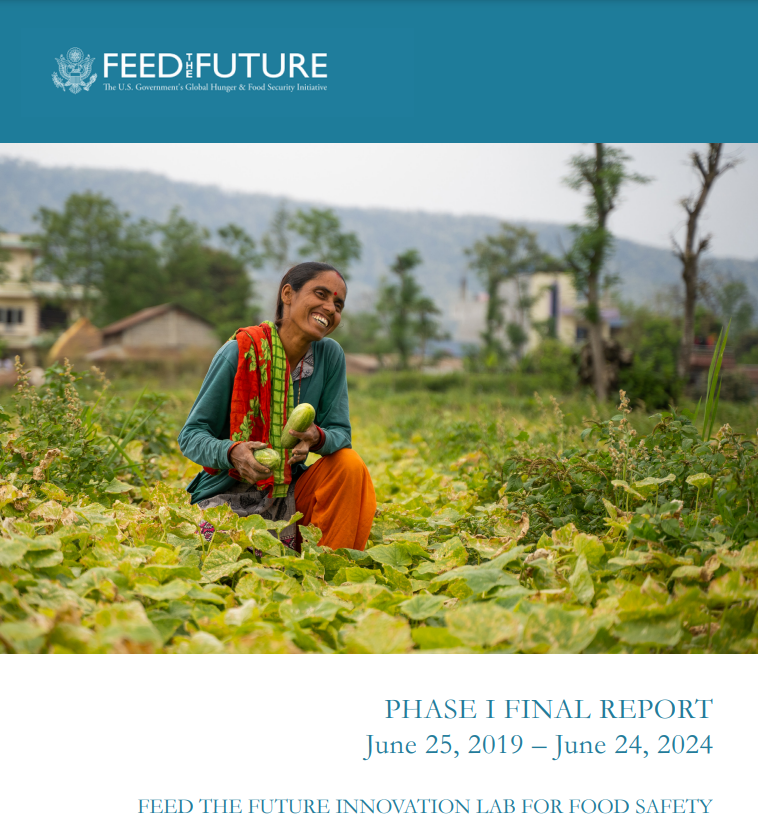
Phase I Final Report June 25, 2019 – June 24, 2024: Feed the Future Innovation Lab for Food Safety
This report presents progress over the first five-year phase of the Feed the Future Innovation Lab for Food Safety (June 25, 2019 – June 24, 2024). The Food Safety Innovation Lab (FSIL), managed by Purdue and Cornell Universities, has leveraged global food safety expertise in locally-led projects that address the root causes of foodborne illness. Phase I FSIL projects were designed to create systemic change to strengthen household and community nutrition, food security, and economic opportunity by identifying food safety knowledge gaps, supporting data-driven food safety practices and policies, and strengthening local food safety capacity.

Safe Childbirth Checklist Landscape Analysis
Globally, almost 135 million births occurred in 2023 (United Nations Population Division, 2024), and around 285,000 women* die each year due to pregnancy or childbirth-related causes (World Health Organization [WHO], 2024b). According to the WHO, the most frequent causes of maternal mortality are postpartum hemorrhage, infection after childbirth, and high blood pressure during pregnancy.
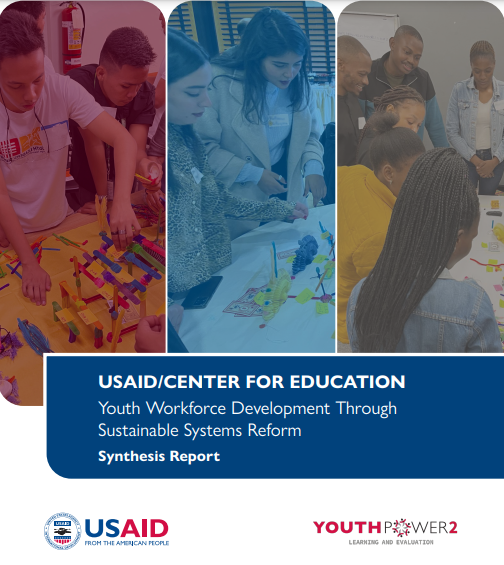
Youth Workforce Development Through Sustainable Systems Report
The United States Agency for International Development (USAID) seeks to increase its understanding of effective approaches for supporting improved, scaled, and sustainable youth workforce development (YWFD) outcomes in low- and middle-income countries (LMICs). USAID commissioned the Better Youth Workforce Development Outcomes Through Sustainable Systems Reform buy-in activity through its YouthPower2: Learning and Evaluation (YP2LE) Activity implemented by Making Cents International.
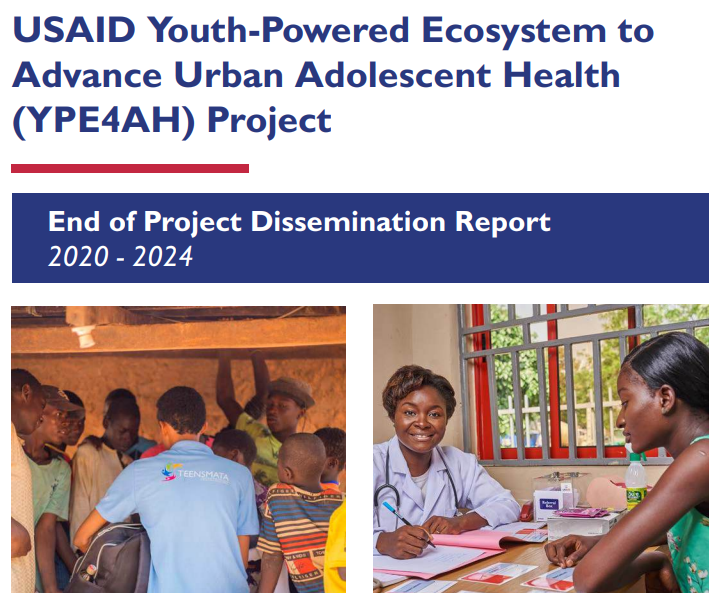
USAID Youth-Powered Ecosystem to Advance Urban Adolescent Health (YPE4AH) Project — End of Project Dissemination Report 2020 - 2024
In May 2020, the United States Agency for International Development (USAID)/Nigeria awarded the Youth-Powered Ecosystem to Advance Urban Adolescent Health (YPE4AH) Project to DAI Global LLC and its partners—Yellow Brick Road (YBR), Youth Empowerment and Development Initiative (YEDI), Women Friendly Initiative (WFI), and Grassroot Soccer (GRS). This five-year cooperative agreement, designed through a co-creation process, empowers young Nigerians with the skills, social capital, and resources necessary to realize their potential. The primary goal of the project is to improve the health and well-being of urban, underprivileged, out-of-school, and unmarried/ married adolescents aged 15–19 living in urban slums in Lagos and Kano States by increasing the uptake and sustained use of voluntary family planning (FP) services, using a holistic, human capital approach.
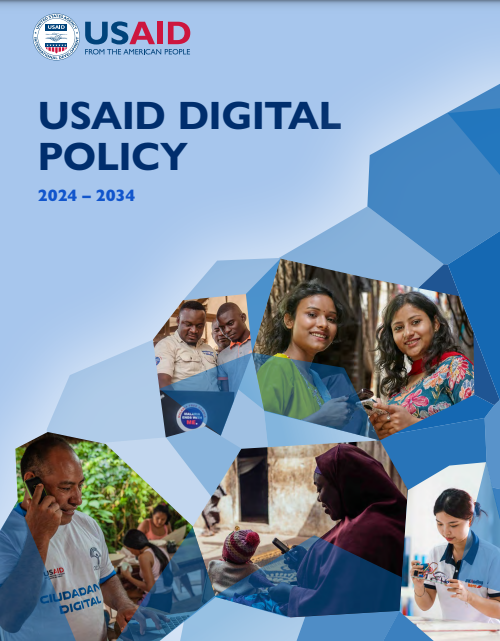
USAID Digital Strategy & Factsheet 2024-2034
As USAID looks to the next ten years and beyond, this Digital Policy+ will guide our efforts to innovate thoughtfully, enhance responsibility and accountability, generate reliable and usable evidence, and launch dynamic partnerships that support security, human rights, and economic prosperity for people everywhere.
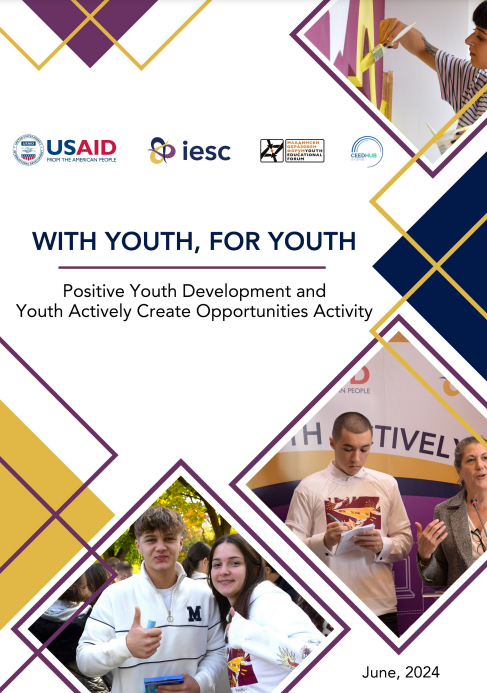
With Youth, For Youth – Positive Youth Development and Youth Actively Create Opportunities Activity
To reflect on where the Activity stands and where it aims to go related to PYD, the team conducted a Collaboration, Learning, and Adaptation (CLA) reflection, detailed in this document. The review aims to share how the team integrated PYD elements into the planning and implementation of activities, and the results of PYD integration.
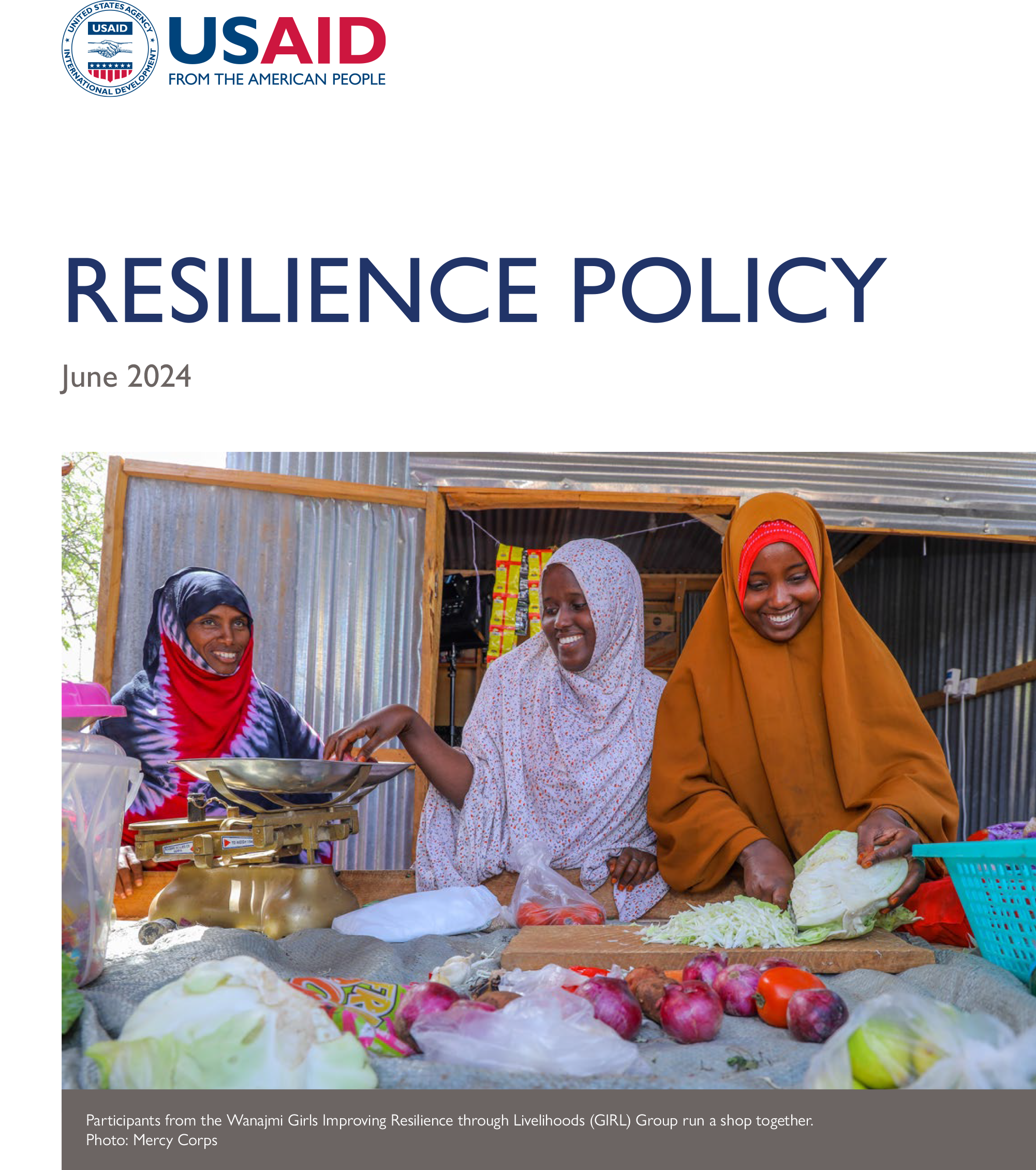
USAID Resilience Policy 2024
As an update to USAID’s inaugural resilience policy (2012), this policy reiterates the goal of reducing humanitarian need in areas of recurrent crisis while also reinforcing resilience as an Agency priority across all USAID programming.
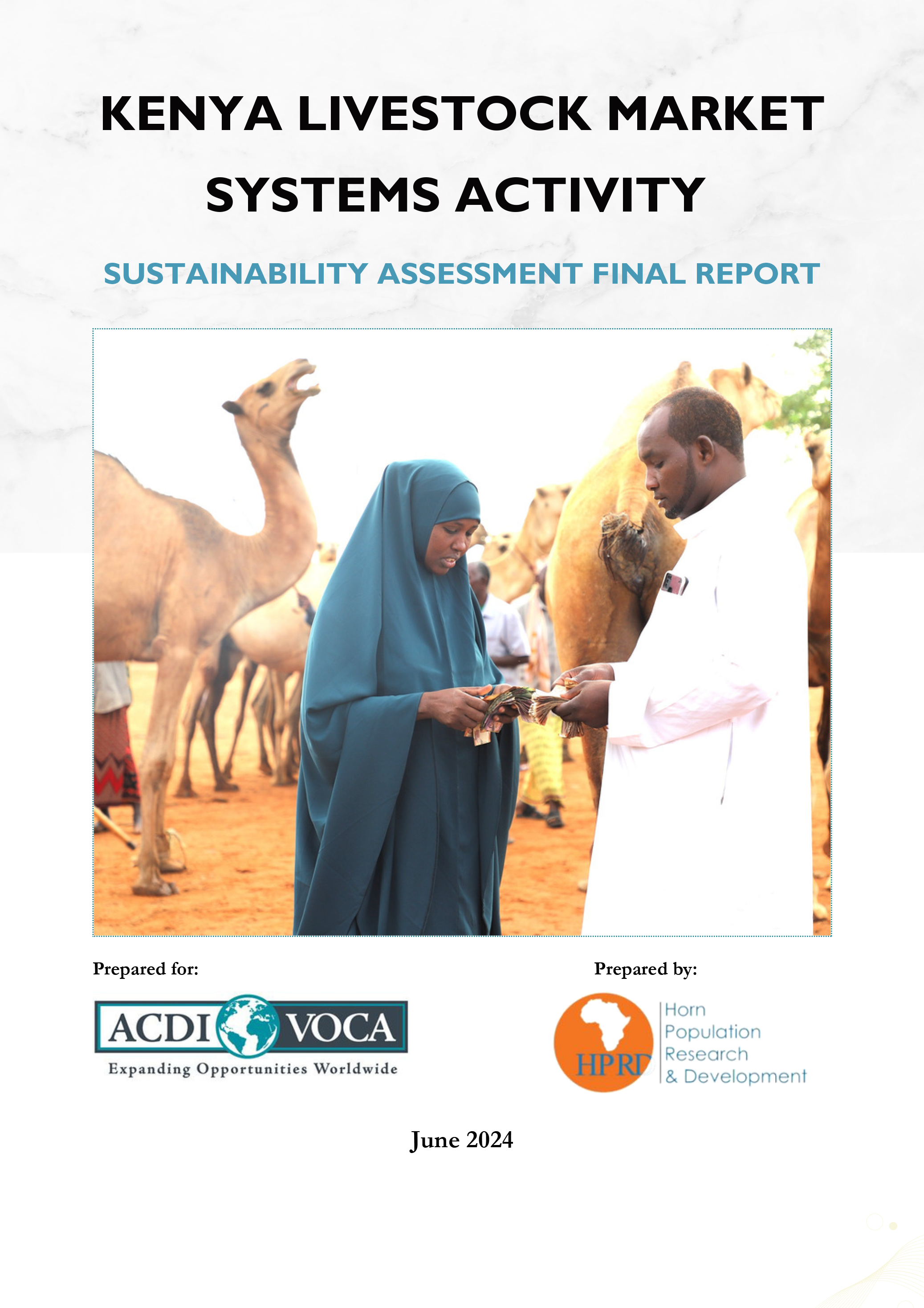
Kenya Livestock Market Systems Activity: Final Sustainability Assessment Report
The Feed the Future Kenya Livestock Market Systems Activity (USAID's LMS) is a USAID-funded initiative aimed at enhancing resilience against shocks and stresses in Northern Kenya.
Lasting Roots: ADVANCE II and the Outgrower Business Model in Ghana
This report addresses a well-recognized evidence gap1 on the longer-term impacts created by market driven programming; specifically, programming influenced by market systems development (MSD) principles.
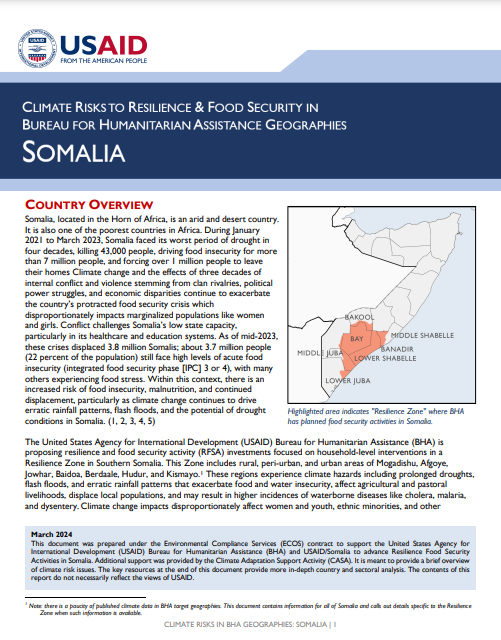
Climate risks to resilience and food security in Bureau for Humanitarian Assistance Geographies: Somalia
The United States Agency for International Development (USAID) Bureau for Humanitarian Assistance (BHA) is proposing resilience and food security activity (RFSA) investments focused on household-level interventions in a Resilience Zone in Southern Somalia.
Learning Note: Navigating Firm Selection for Women-Inclusive ROI
This learning note provides key insights gained from the process of vetting and selecting companies. It is targeted toward implementing partners that are managing portfolios of firms and want to select SMEs for WI-ROI calculations or social impact.
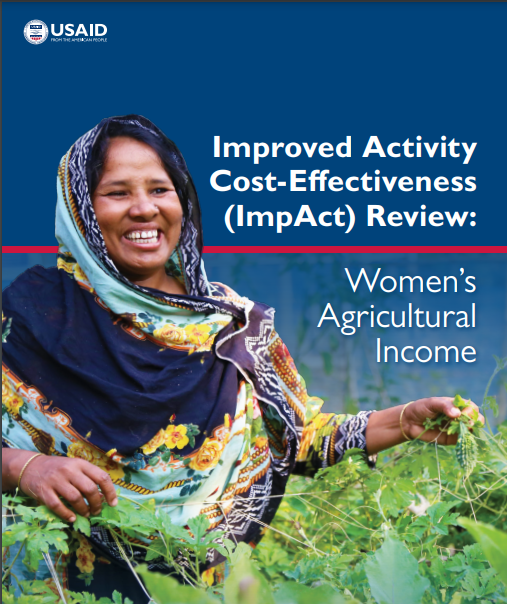
Improved Activity Cost-Effectiveness (ImpAct) Review: Women's Agricultural Income
This ImpAct Review was conducted to inform missions seeking to integrate gender into Feed the Future programs, and summarizes impact evidence on which interventions have the greatest impact on women’s agricultural income.
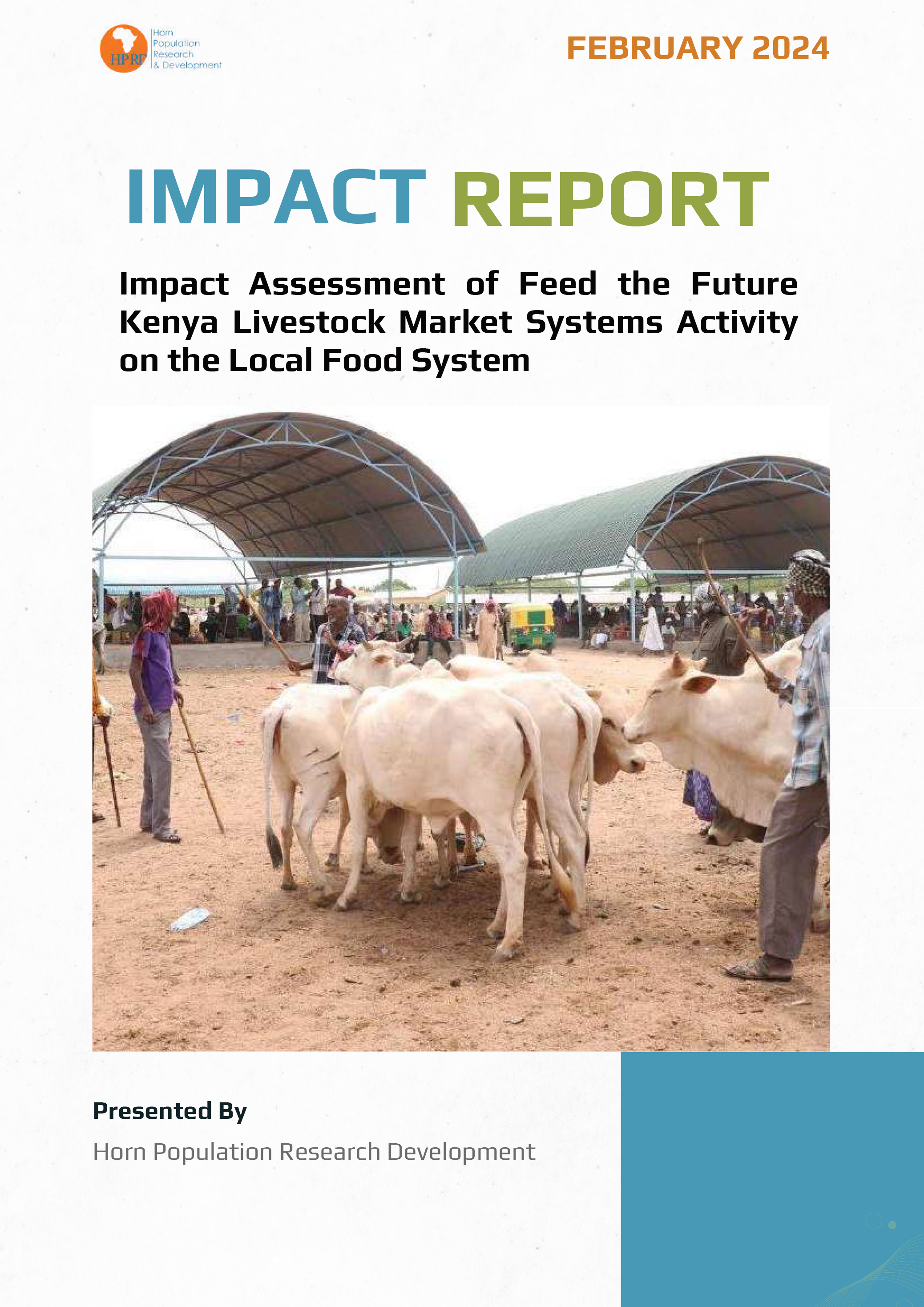
Impact Assessment of Feed the Future Kenya Livestock Market Systems Activity on the Local Food System
The Feed, the Future Kenya Livestock Market Systems Activity was a Five-year (2017-2022) Activity with Leader and Associate Awards funded by USAID and managed in a consortium of ACDI/VOCA, Mercy Corps, and their partners.
Integrating Conflict Sensitivity into Food Security Programs
This brief assesses prevailing practices, successes, challenges, lessons learned, and recommendations around integrating conflict sensitivity into food security programs. Ultimately, conflict sensitivity is not only about managing and mitigating risk, but also about seeking opportunities to promote peace. In this respect, this learning brief can contribute to USAID’s calls for greater coherence in humanitarian, development, and peace programming by supporting aid actors to “champion conflict integration and opportunities for enabling or building peace where possible.”
USAID Climate Ready Final Report
USAID Climate Ready, implemented by DT Global, was USAID’s flagship project designed to address climate change adaptation priorities in the Pacific.
FY2023 Annual Report Feed the Future Innovation Lab for Food Safety
In FY2023, the Feed the Future Innovation Lab for Food Safety (FSIL) subaward projects in Bangladesh, Cambodia, Kenya, Nepal, Nigeria, and Senegal made significant progress in data collection to better understand microbial food safety challenges in each focus country, analyze the roles and opportunities for women in food safety and in different food value chains, and identify appropriate food safety interventions. All projects entered their final year of activities (year three for long-term subawards in Bangladesh, Cambodia, Kenya, and Senegal and year two for short-term subawards in Nepal and Nigeria) and many have started to analyze data and disseminate results. In FY2023, FSIL subaward projects published nine peer-reviewed journal articles, gave seven conference presentations, and hosted workshops and training sessions for producers, extension agents, government stakeholders, and the private sector.
Global Malnutrition Prevention and Treatment Act - Annual Report to Congress 2023
The Global Malnutrition Prevention and Treatment Act (GMPTA) is a pivotal legislative initiative signed into law by President Biden in October 2022. This act charges the United States Agency for International Development (USAID) with combating malnutrition globally. The GMPTA solidifies USAID’s leadership role in nutrition and underscores its commitment to evidence-based interventions within both developmental and humanitarian contexts. By addressing the critical issue of malnutrition through targeted strategies, the GMPTA aims to improve health outcomes, promote economic advancement, and enhance overall human development across nations.