-
Article
Brief
Meeting Notes
Presentation
Poster
Report
Toolkit
Video
Webinar
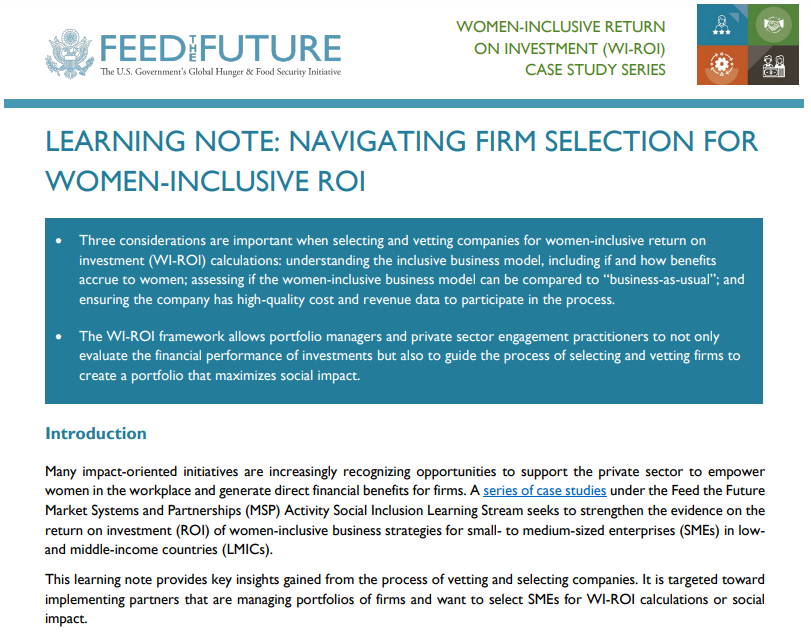
Learning Note: Navigating Firm Selection for Women-Inclusive ROI
This learning note provides key insights gained from the process of vetting and selecting companies. It is targeted toward implementing partners that are managing portfolios of firms and want to select SMEs for WI-ROI calculations or social impact.
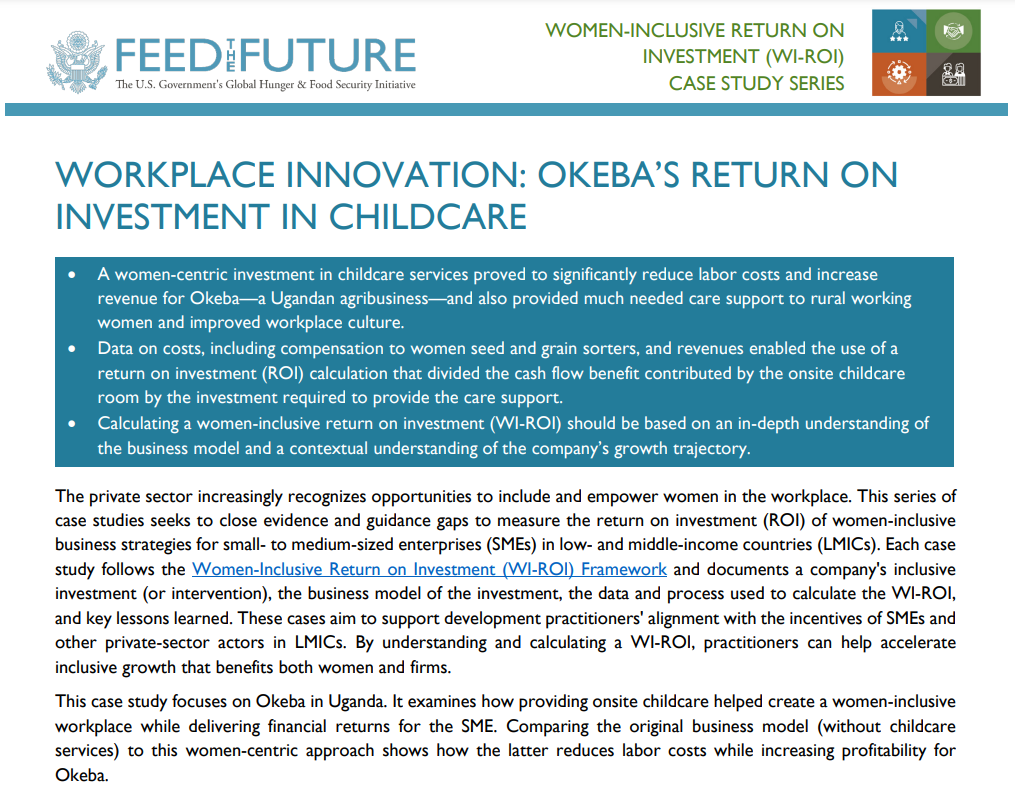
Workplace Innovation: Okeba’s Return on Investment in Childcare
This case study focuses on Okeba in Uganda. It examines how providing onsite childcare helped create a women-inclusive workplace while delivering financial returns for the SME. Comparing the original business model (without childcare services) to this women-centric approach shows how the latter reduces labor costs while increasing profitability for Okeba.
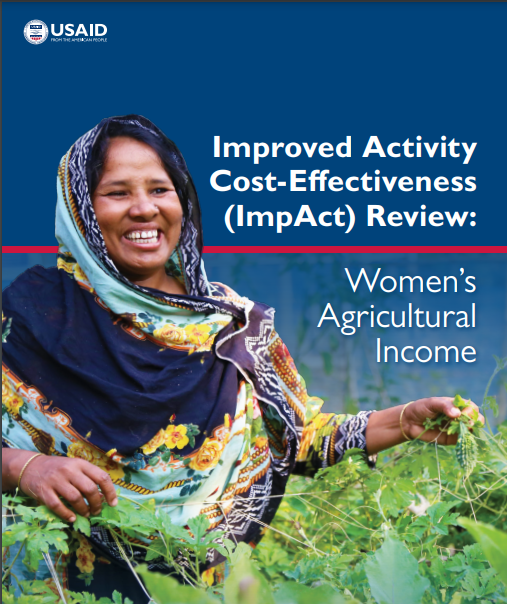
Improved Activity Cost-Effectiveness (ImpAct) Review: Women's Agricultural Income
This ImpAct Review was conducted to inform missions seeking to integrate gender into Feed the Future programs, and summarizes impact evidence on which interventions have the greatest impact on women’s agricultural income.
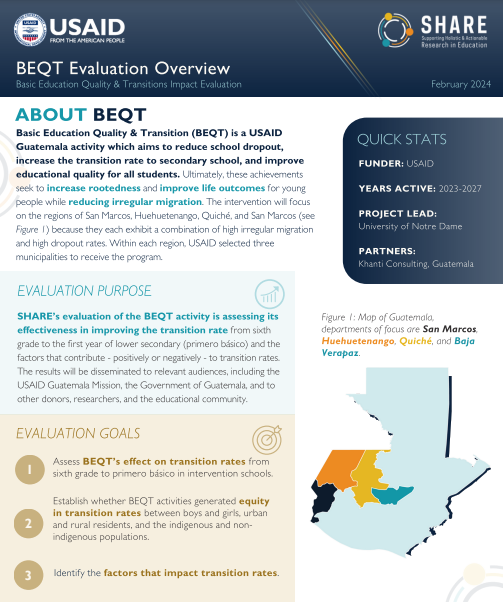
BEQT Evaluation Overview: Basic Education Quality & Transitions Impact Evaluation
Basic Education Quality & Transition (BEQT) is a USAID Guatemala activity which aims to reduce school dropout, increase the transition rate to secondary school, and improve educational quality for all students. Ultimately, these achievements seek to increase rootedness and improve life outcomes for young people while reducing irregular migration. The intervention will focus on the regions of San Marcos, Huehuetenango, Quiché, and San Marcos because they each exhibit a combination of high irregular migration and high dropout rates. Within each region, USAID selected three municipalities to receive the program.
LITES Study Overview: Language of Instruction Transition in Education Systems
LITES is a cross-country study (occurring in Kenya, Mali, Mozambique, the Philippines, Senegal, and Rwanda) seeking to fill this this knowledge gap by generating empirical evidence regarding factors that contribute to the success of language of instruction transitions for learners’ second language literacy skills. Evidence generated from this study will provide useful insights to bilingual and multilingual education in low-resource settings.
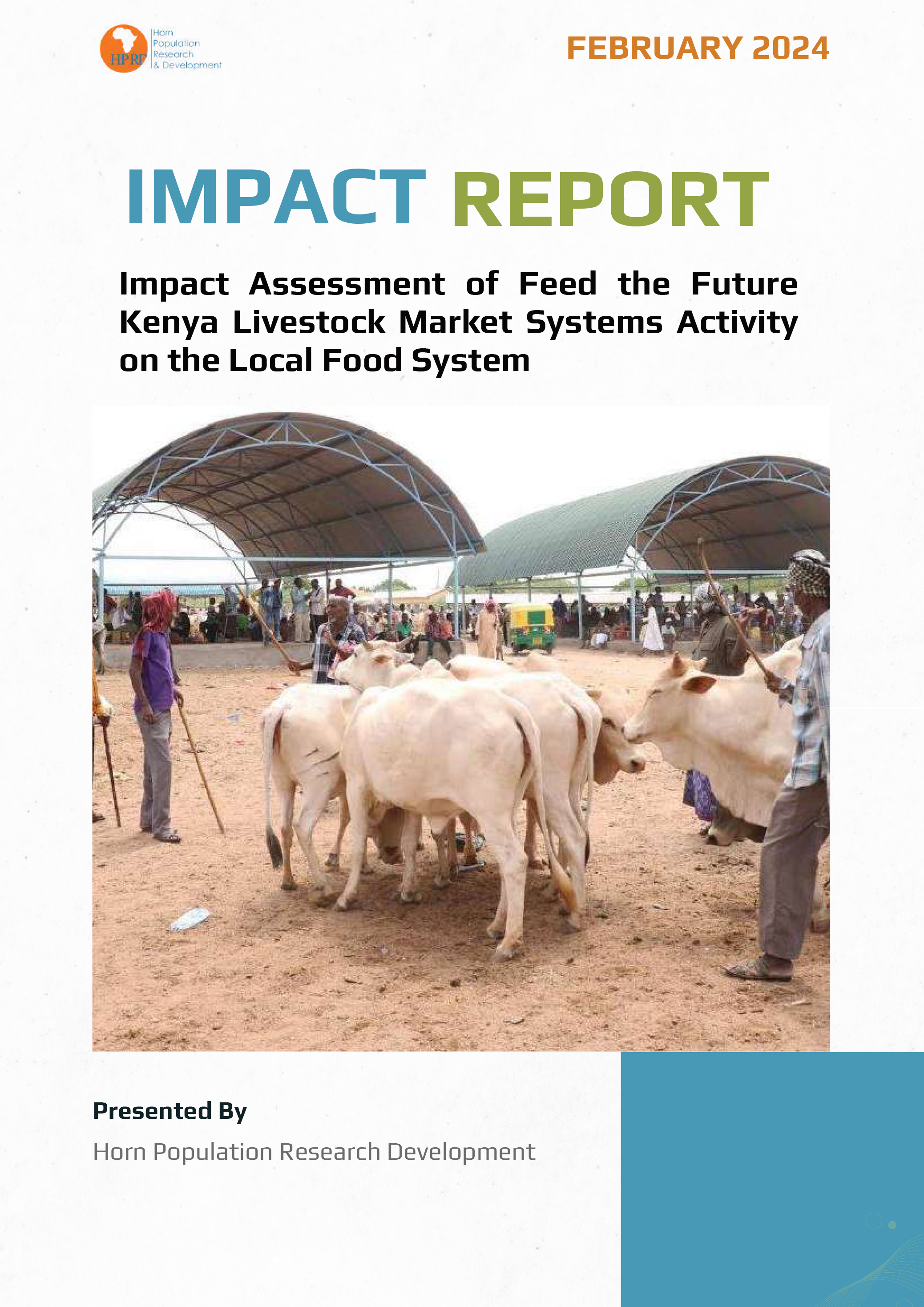
Impact Assessment of Feed the Future Kenya Livestock Market Systems Activity on the Local Food System
The Feed, the Future Kenya Livestock Market Systems Activity was a Five-year (2017-2022) Activity with Leader and Associate Awards funded by USAID and managed in a consortium of ACDI/VOCA, Mercy Corps, and their partners.
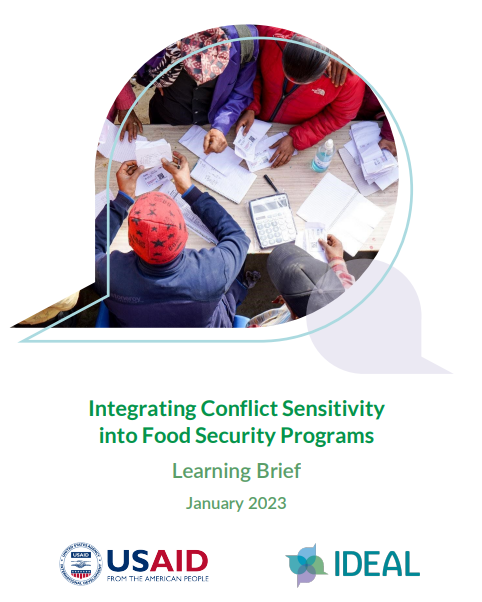
Integrating Conflict Sensitivity into Food Security Programs
This brief assesses prevailing practices, successes, challenges, lessons learned, and recommendations around integrating conflict sensitivity into food security programs. Ultimately, conflict sensitivity is not only about managing and mitigating risk, but also about seeking opportunities to promote peace. In this respect, this learning brief can contribute to USAID’s calls for greater coherence in humanitarian, development, and peace programming by supporting aid actors to “champion conflict integration and opportunities for enabling or building peace where possible.”
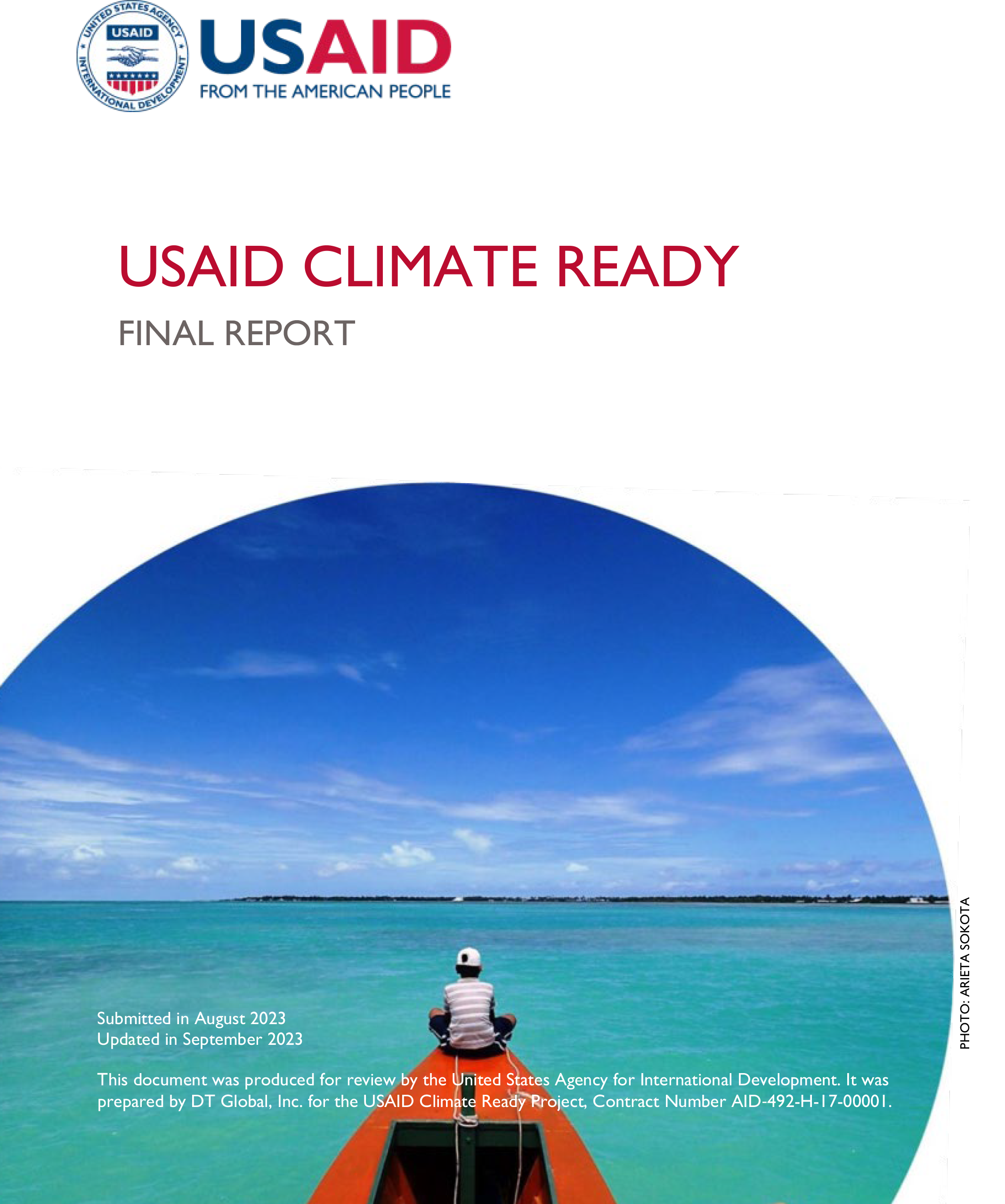
USAID Climate Ready Final Report
USAID Climate Ready, implemented by DT Global, was USAID’s flagship project designed to address climate change adaptation priorities in the Pacific.
Strategic Inclusion: Grean World’s Financial Returns of Targeting Women in The Last Mile
This particular case study focuses on Grean World, an SME in Ethiopia. It examines how applying a women-centered approach to marketing and sales addresses the energy needs of female consumers in rural and remote areas in Ethiopia, while delivering financial returns for Grean World.
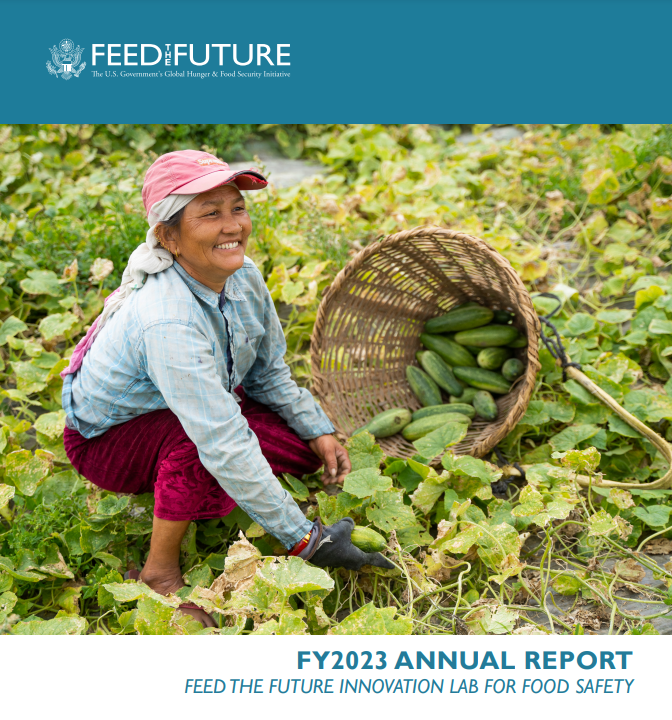
FY2023 Annual Report Feed the Future Innovation Lab for Food Safety
In FY2023, the Feed the Future Innovation Lab for Food Safety (FSIL) subaward projects in Bangladesh, Cambodia, Kenya, Nepal, Nigeria, and Senegal made significant progress in data collection to better understand microbial food safety challenges in each focus country, analyze the roles and opportunities for women in food safety and in different food value chains, and identify appropriate food safety interventions. All projects entered their final year of activities (year three for long-term subawards in Bangladesh, Cambodia, Kenya, and Senegal and year two for short-term subawards in Nepal and Nigeria) and many have started to analyze data and disseminate results. In FY2023, FSIL subaward projects published nine peer-reviewed journal articles, gave seven conference presentations, and hosted workshops and training sessions for producers, extension agents, government stakeholders, and the private sector.
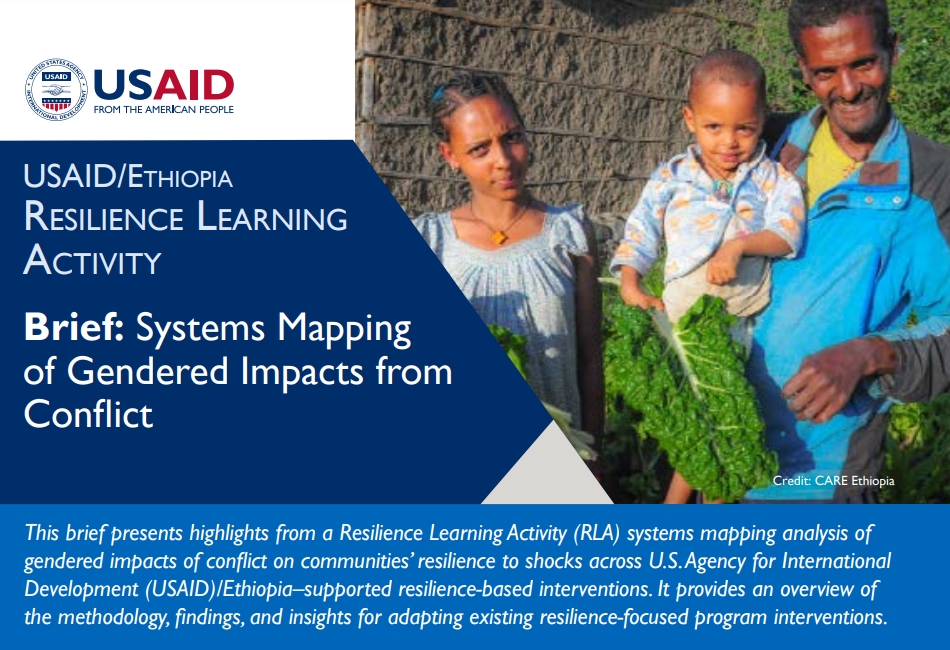
Systems Mapping of Gendered Impacts from Conflict (Ethiopia)
This brief presents highlights from a Resilience Learning Activity (RLA) systems mapping analysis of gendered impacts of conflict on communities’ resilience to shocks across U.S. Agency for International Development (USAID)/Ethiopia–supported resilience-based interventions. It provides an overview of the methodology, findings, and insights for adapting existing resilience-focused program interventions.
Gender Integrated Response to Emerging COVID-19 Priorities in India
This work addressed the critical need for strengthening gender-based violence (GBV) response and prevention mechanisms at district, community, and facility levels.
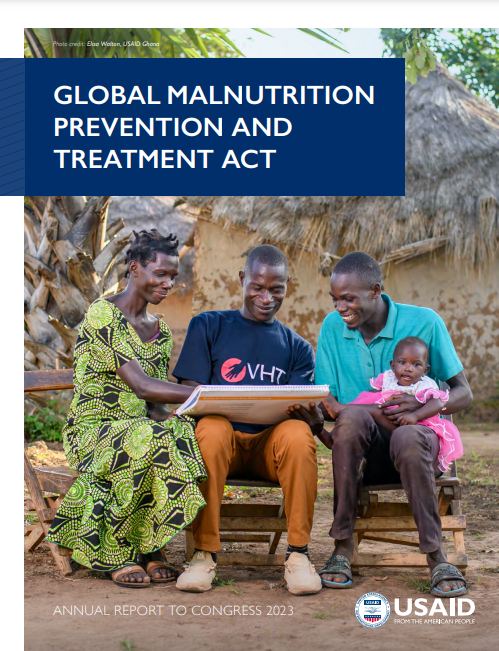
Global Malnutrition Prevention and Treatment Act - Annual Report to Congress 2023
The Global Malnutrition Prevention and Treatment Act (GMPTA) is a pivotal legislative initiative signed into law by President Biden in October 2022. This act charges the United States Agency for International Development (USAID) with combating malnutrition globally. The GMPTA solidifies USAID’s leadership role in nutrition and underscores its commitment to evidence-based interventions within both developmental and humanitarian contexts. By addressing the critical issue of malnutrition through targeted strategies, the GMPTA aims to improve health outcomes, promote economic advancement, and enhance overall human development across nations.
Carbon Finance Playbook
Demystifying the capital raising process for Nature-based Carbon Projects in Emerging Markets

USAID Climate Ready: Adaptation and Finance for Impact
Following COP21 in December 2015—which also brought about the Paris Agreement— Conference attendees committed to addressing climate change using substantial financing through international donors and funds. As part of this movement, the USAID launched the USAID Climate Ready Project.
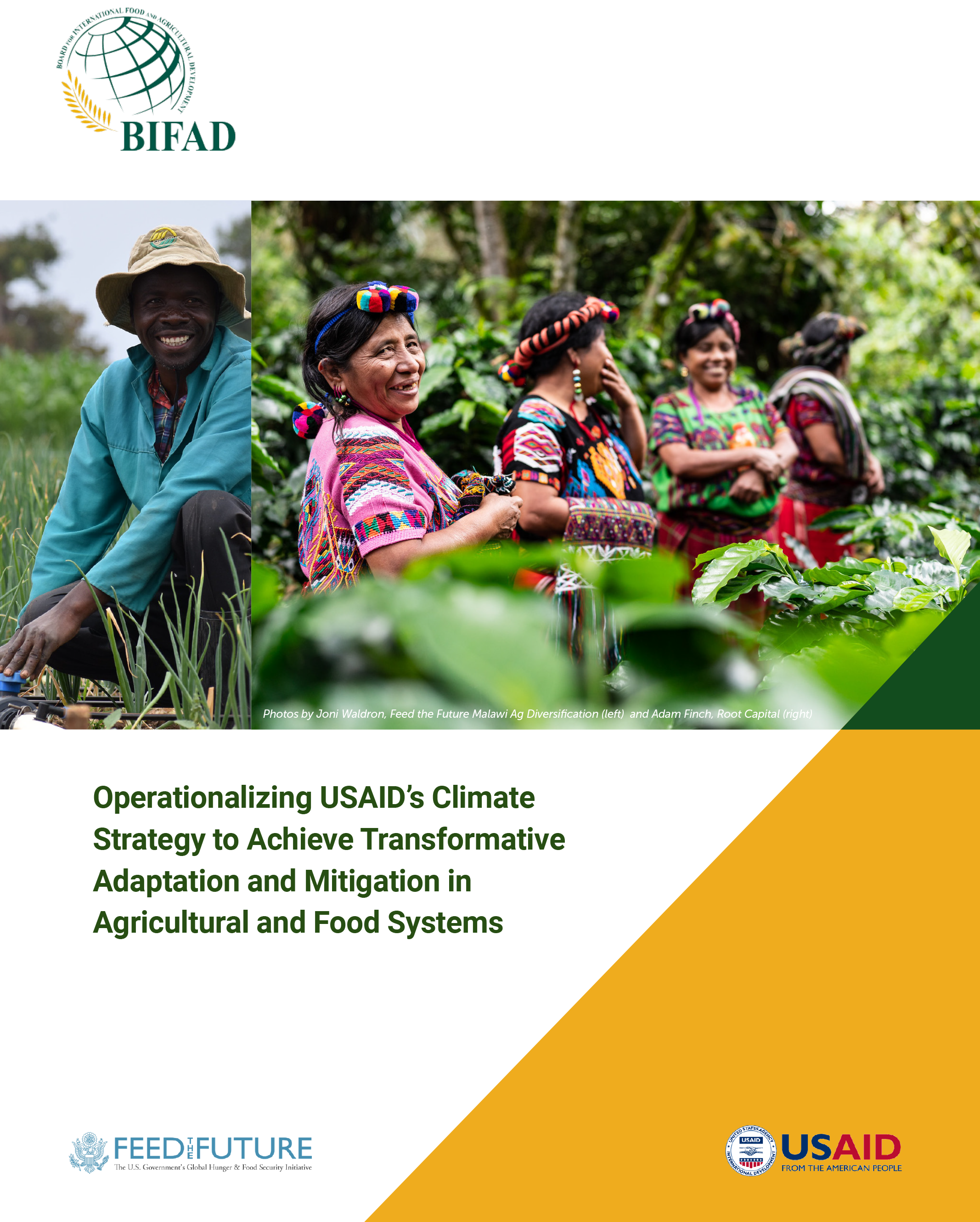
Operationalizing USAID’s Climate Strategy to Achieve Transformative Adaptation and Mitigation in Agricultural and Food Systems
The U.S. Agency for International Development’s (USAID’s) 2023–2030 Climate Strategy (Climate Strategy) provides a bold and ambitious vision to reduce global greenhouse gas emissions and build resilience to climate change.
USAID Geospatial Strategy
As the world’s premier development agency, USAID has a unique role to play in the growing field of geospatial visualization and analysis—as a thought leader and convener, as an enabler of locally led development, and as a champion for innovative development solutions. This Strategy will help USAID fully embody this role and serve as a stronger partner to the people who can benefit most from these technologies. Working together with the geospatial and international development and humanitarian communities, by leveraging the best of our respective assets and strengths, we can help societies become more resilient and capable of leading their own development journeys.