
-
Article
Brief
Meeting Notes
Presentation
Poster
Report
Toolkit
Video
Webinar
Ukraine Gender Snapshot: Findings from the reSCORE 2023
reSCORE Ukraine, which is a joint initiative funded by the USAID and UNDP, and implemented by SeeD, continues to serve as an annual assessment tool of societal resilience and recovery that informs the policies and programming of national, regional, and international partners. Like its predecessor, the Ukraine SCORE 2018 to 2021, it aims to identify pathways and respond to complex needs, geared at strengthening individual and collective coping mechanisms, and fostering a democratic, just, inclusive, and cohesive Ukraine.
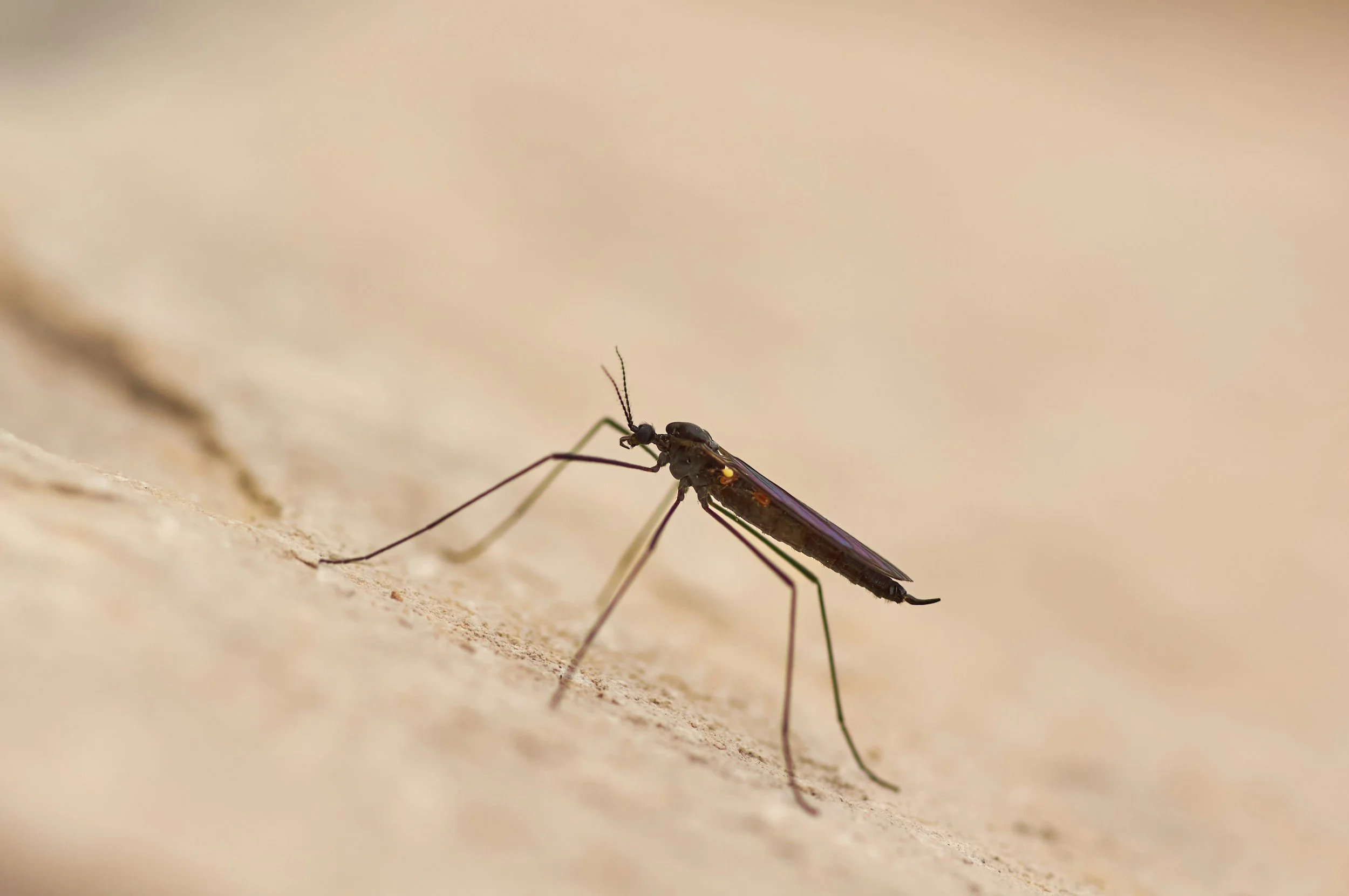
President’s Malaria Initiative: Country Malaria Operational Plans FY 2024
The President’s Malaria Initiative (PMI) is credited with helping to save 11.7 million lives and prevent 2.1 billion malaria cases since 2000. Indeed, since 2006, in countries where PMI works, global efforts have supported a 29% decrease in malaria case rates and a 48% decline in deaths. The introduction of two malaria vaccines in 2021 and 2023 has increased optimism in the potential to further strengthen global malaria control.
Feed the Future Climate Resilient Cereals Innovation Lab (CRCIL)
The MEL Plan is designed based on the CRCIL’s goals, and expected outputs, outcomes, and impacts, taking into consideration the corresponding MEL activities required to assess progress in its achievements. It establishes a sustainable system for ensuring the quality and validity of data by employing rigorous procedures towards the adaptive management necessary to quantify the progress and impact of proposed activities and measure program contributions to the overall program goal. The MEL Plan Collaborating, Learning, and Adapting (CLA) approach, based on the United States Agency for International Development’s (USAID) CLA approach, and CRCIL’s Theory of Change (TOC) will guide the refinement of activity design as needed, based on new evidence, continual learning, and complexity-aware monitoring and innovative evaluation activities.
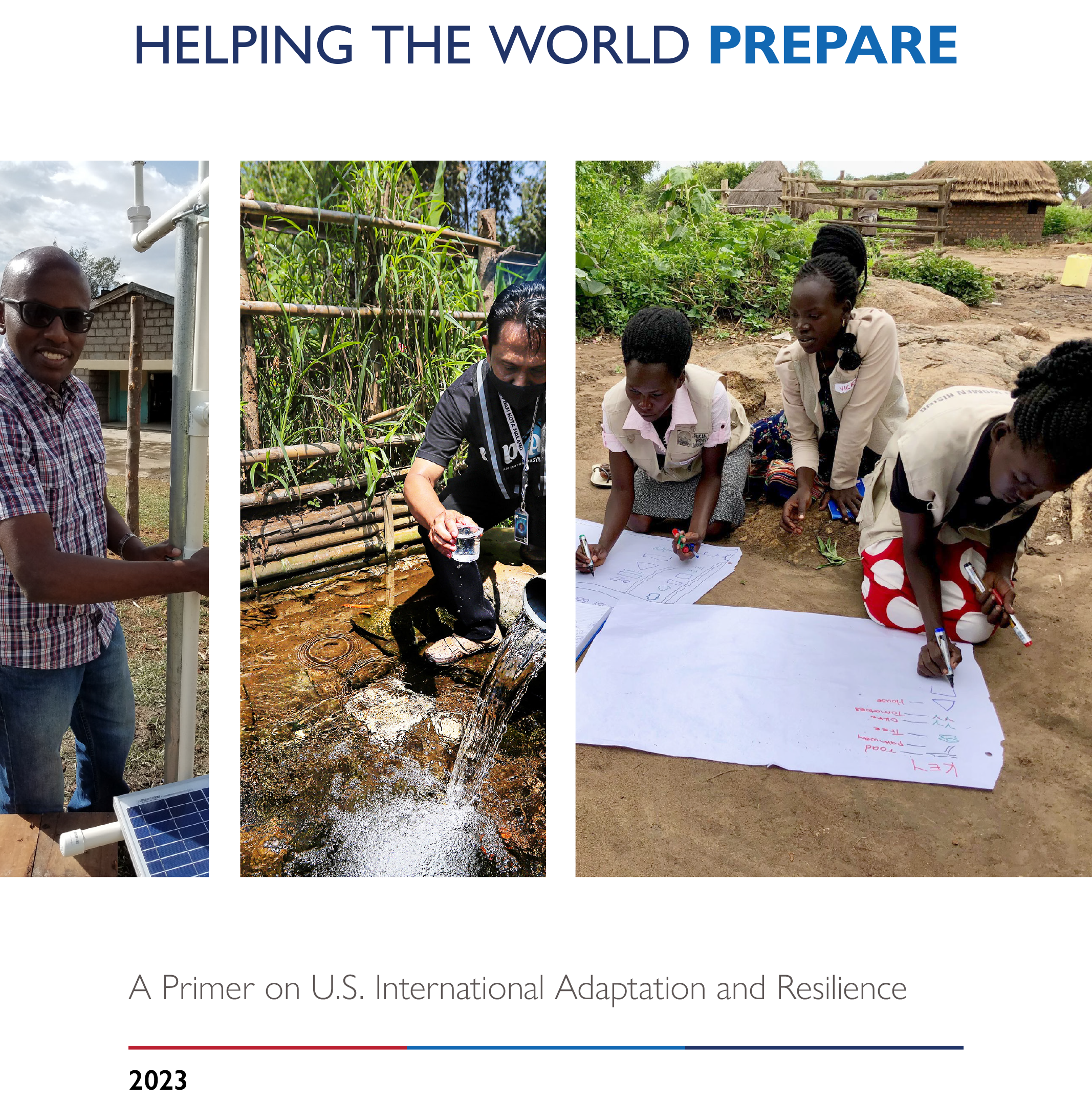
Helping the World Prepare: A Primer on U.S. International Adaptation and Resilience
The climate crisis is existential, and the impacts of climate change that are being felt around the world threaten to undermine development gains, exacerbate geopolitical tensions, accelerate the food security crisis, and result in greater instability and humanitarian need.
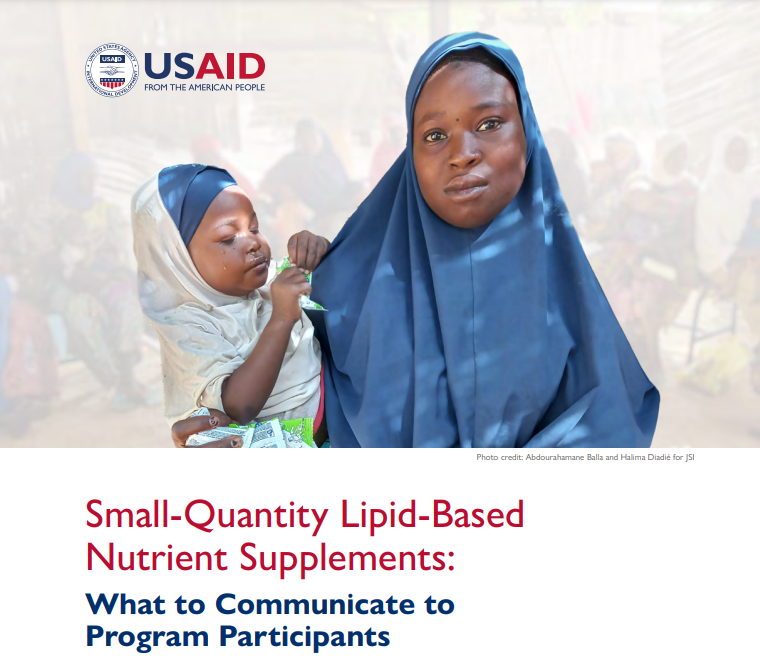
Small-Quantity Lipid-Based Nutrient Supplements: What to Communicate to Program Participants (English & French)
This brief was developed for the U.S. Agency for International Development (USAID) Bureau for Humanitarian Assistance-managed International Food Relief Partnership. The small-quantity lipid-based nutrient supplements (SQ-LNS) described in this document are intended for children 6–24 months, pregnant women, and breastfeeding women whose diets are nutritionally suboptimal and/or insufficient.
Apoyo a periodistas frente a ataques a la libertad de prensa en Guatemala
En Guatemala, Internews colaboró con socios locales Centro Civitas y la Unidad de Protección para Defensores de Derechos Humanos (UDEFEGUA), desde marzo de 2022 hasta septiembre de 2022, para llevar a cabo las siguientes actividades principales.
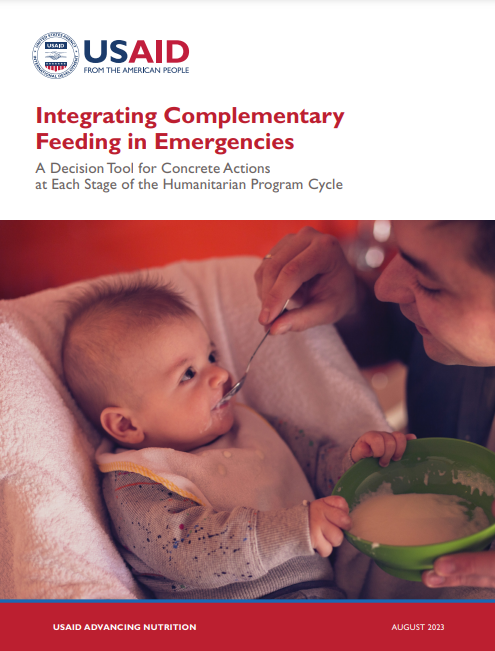
Integrating Complementary Feeding in Emergencies
This decision tool is intended for those involved in the design, planning, implementation, and monitoring of a nutrition humanitarian response before and during an emergency. It aims to guide technical advisors and managers working on a humanitarian response to design and incorporate complementary feeding actions, whether they are implemented by individual organizations and/or by joint multi-agency humanitarian responses, for children 6–23 months of age, regardless of their breastfeeding status, at each stage of the humanitarian program cycle.
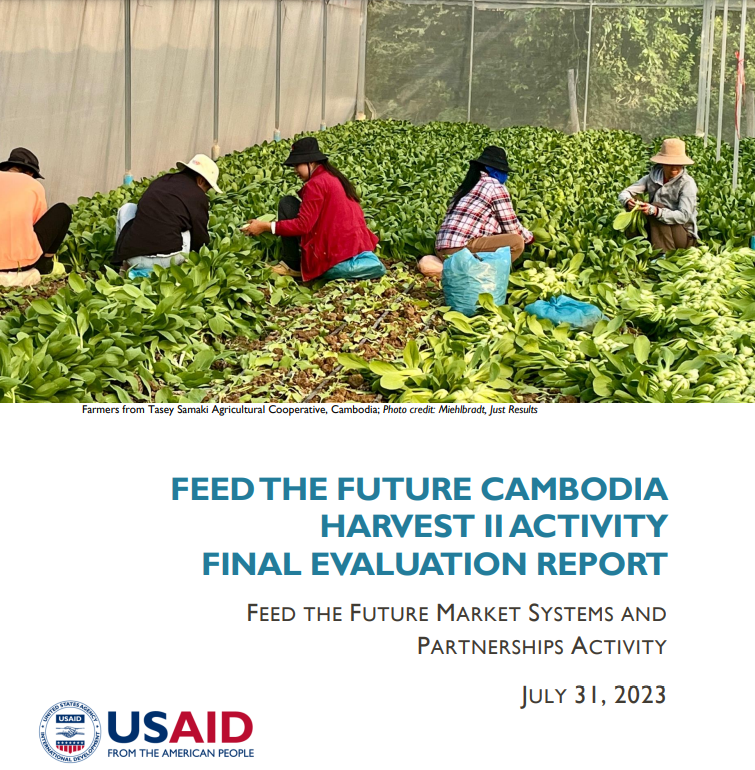
Feed the Future Cambodia Harvest II Activity Final Evaluation Report
This report presents the findings from the final evaluation of the Feed the Future Cambodia Harvest II activity (Harvest II) funded by the United States Agency for International Development (USAID) and operating from 2017-2022. The approach taken by Harvest II represented a shift in emphasis from previous USAID-funded activities that offered support to agricultural production, moving intentionally towards a demand-driven, market systems development approach. The evaluation team was asked to assess the extent and nature of system change that resulted from the activity, and how farms and firms benefited. The team also assessed whether and how the project contributed to resilience, climate change mitigation, and environmental stewardship.
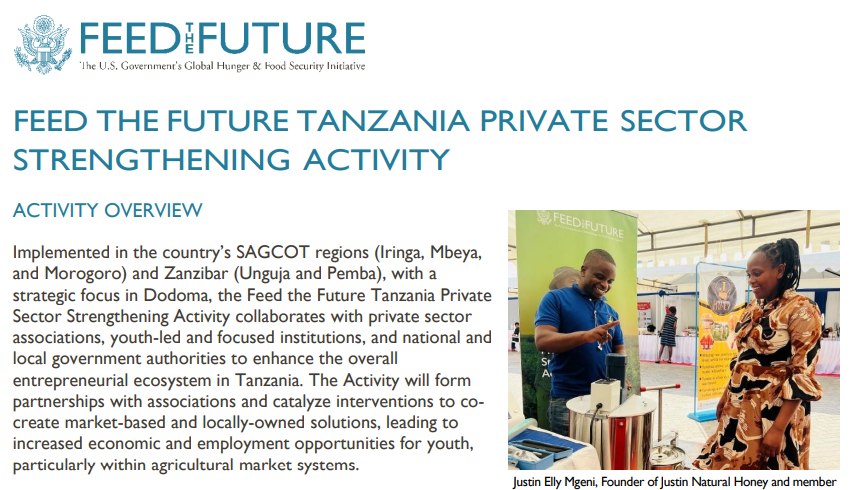
Feed the Future Tanzania Private Sector Strengthening Activity
The Activity will form partnerships with associations and catalyze interventions to cocreate market-based and locally-owned solutions, leading to increased economic and employment opportunities for youth, particularly within agricultural market systems.
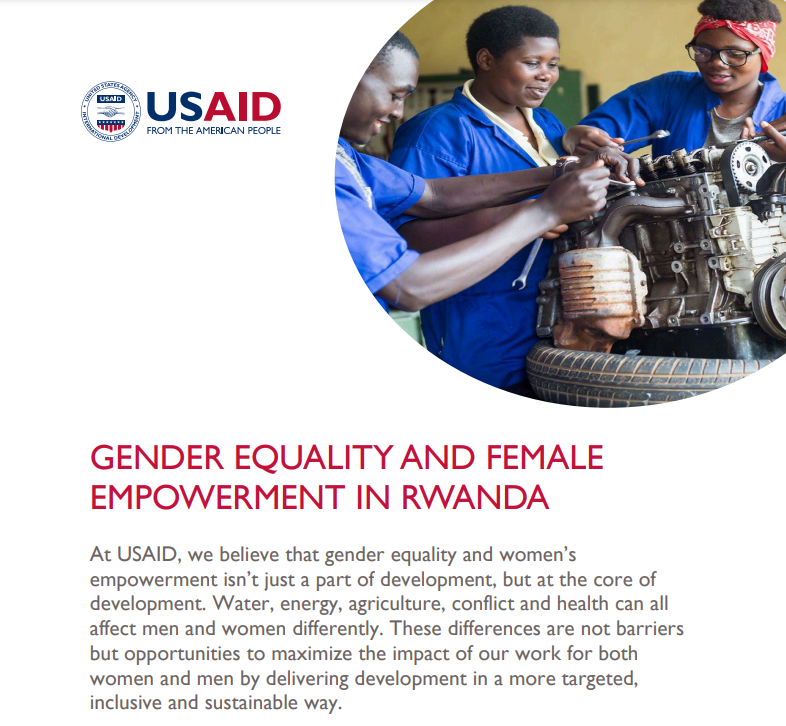
Gender Equality and Women's Empowerment in Rwanda
Rwanda is recognized as a leader in gender equality and women’s empowerment. Women hold positions making up 61 percent of the Rwandan Parliament, and 50 percent of the President’s cabinet. While these efforts are so important, challenges still remain, specifically when it comes to achieving socio-economic equality and cultural change at the community level.
Family Planning Health: India Market Description
FP Market Description is diagnosis of constraints for effective private sector market participation.
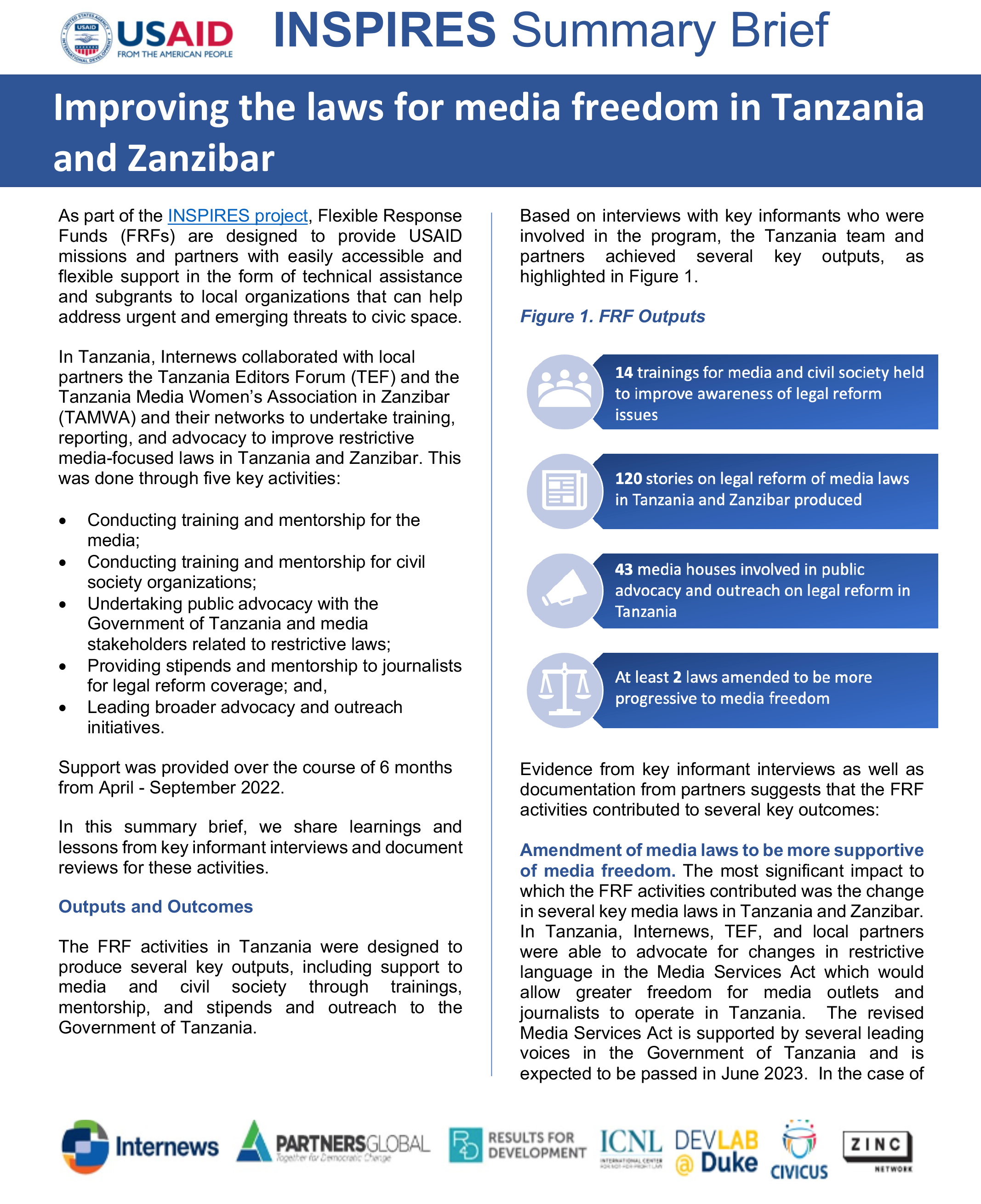
Improving the laws for media freedom in Tanzania and Zanzibar
In Tanzania, Internews collaborated with local partners the Tanzania Editors Forum (TEF) and the Tanzania Media Women’s Association in Zanzibar (TAMWA) and their networks to undertake training, reporting, and advocacy to improve restrictive media-focused laws in Tanzania and Zanzibar.
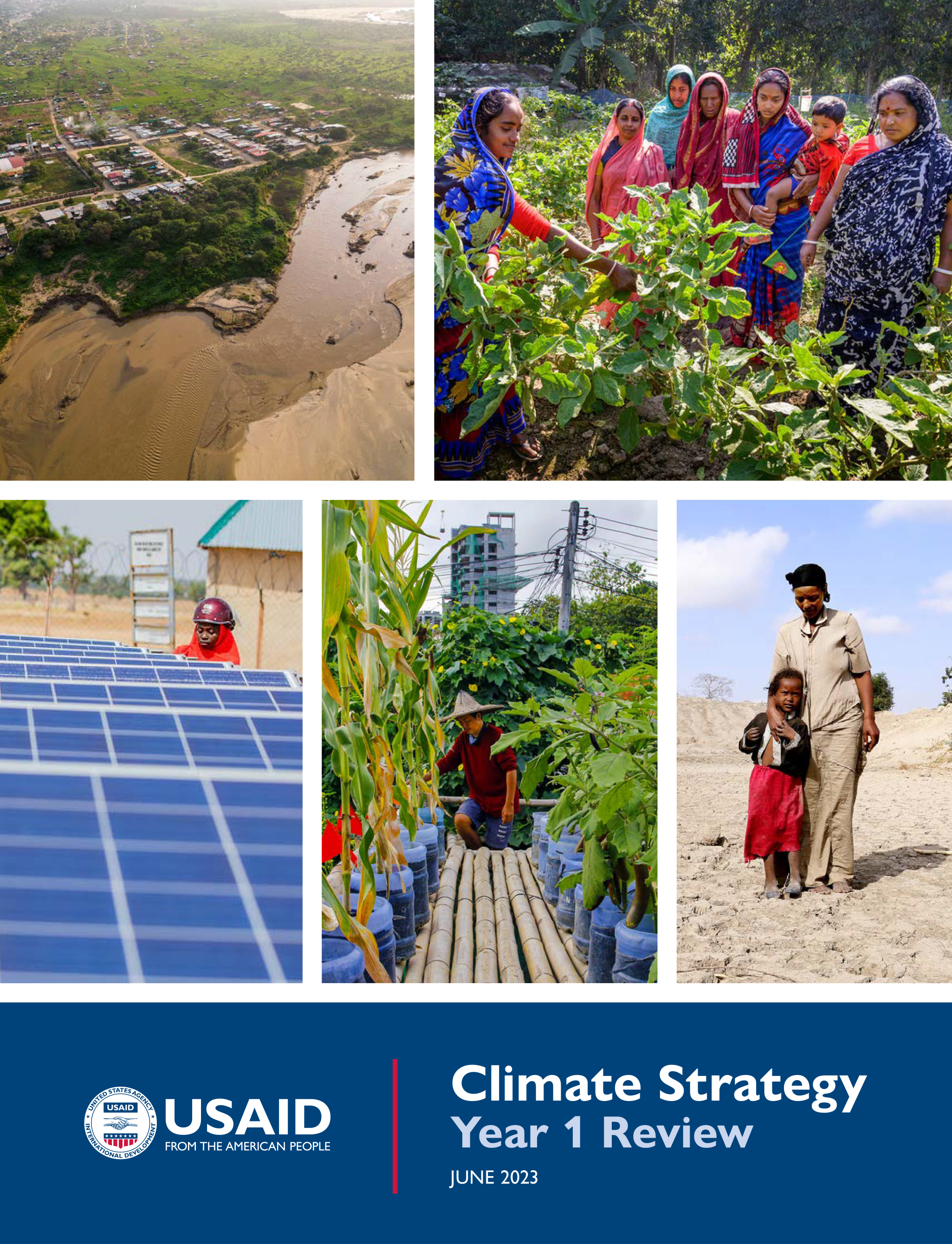
Climate Strategy Year 1 Review
Over the past year, USAID has launched a wide variety of initiatives, partnerships, and internal and interagency processes to implement the Strategy and set the foundation for achieving the goals over the eight years of the Strategy timeline.
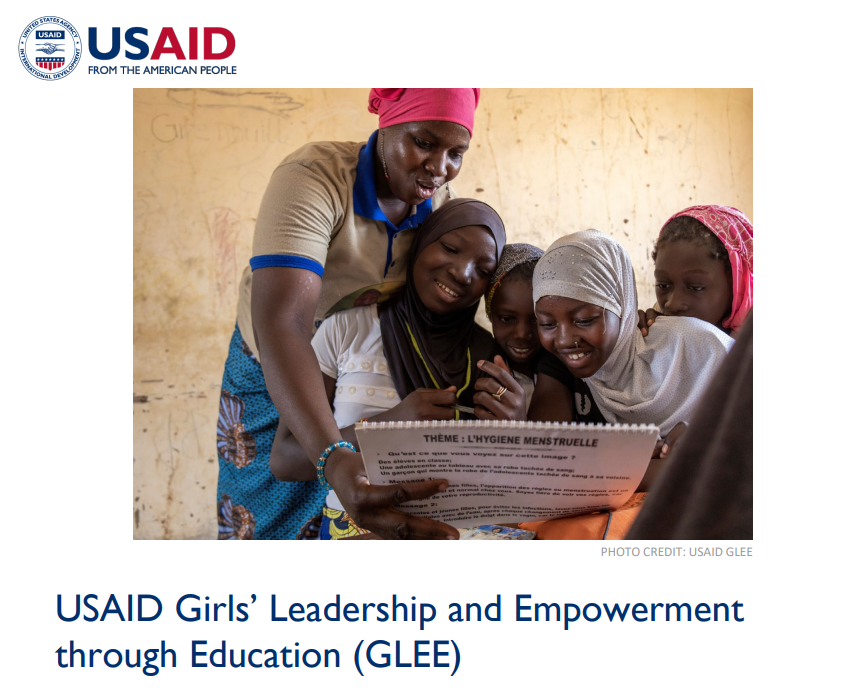
Girls' Leadership and Empowerment Through Education (GLEE)
In line with USAID’s Education Policy, USAID Girls’ Leadership and Empowerment through Education (GLEE) decreases barriers to quality education in a safe and supportive learning environment for adolescent girls (10-18 years) while increasing the adoption of positive, healthy behaviors. USAID GLEE trains teachers to improve children’s learning, school management committees to improve transparency and accountability, and parents and community members to support girls’ access to learning.
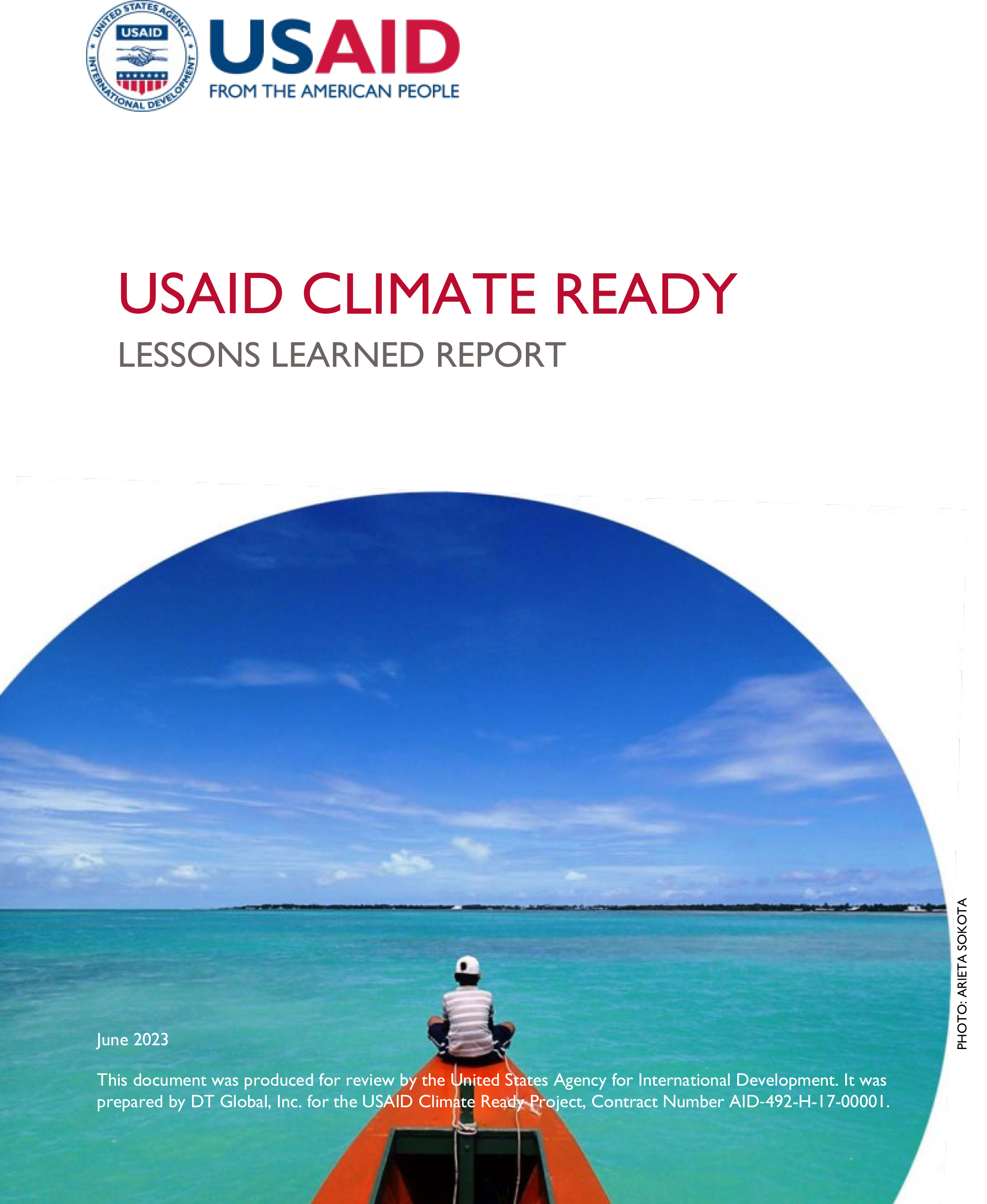
USAID Climate Ready Lessons Learned Report
USAID Climate Ready is focused on achieving its Strategic Objective of capacity of PICs increased to adapt to negative impacts of climate change.
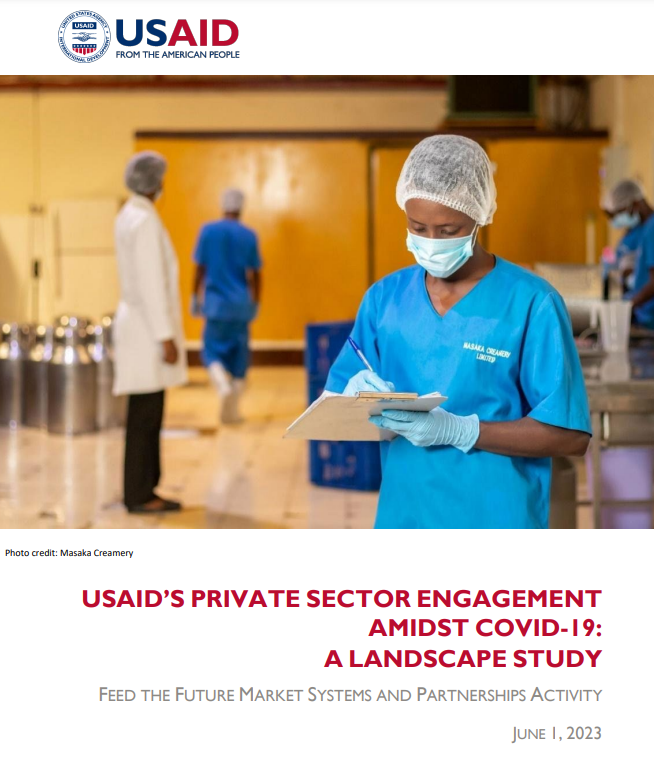
USAID’s Private Sector Engagement Amidst Covid-19: A Landscape Study
In order to better understand how USAID engaged with the private sector to improve firm resilience during the COVID-19 pandemic — and to what extent the agency was successful in doing so — USAID commissioned research through the Private Sector Engagement (PSE) Hub in collaboration with the Bureau of Policy, Planning and Learning’s Office of Learning, Evaluation and Research (PPL/LER), as part of a series of learning activities related to USAID’s COVID-19 Learning Agenda.
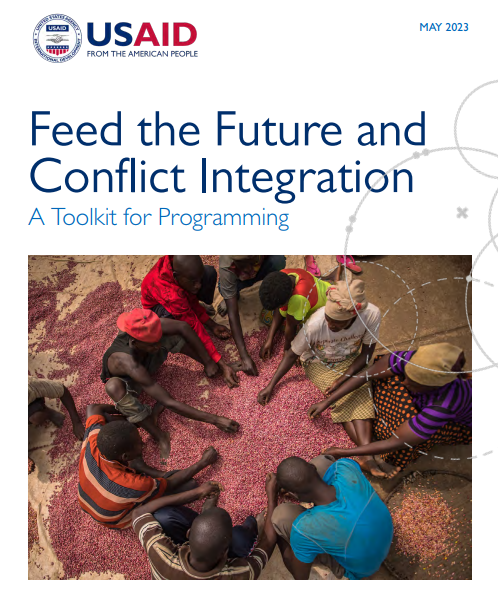
Feed the Future and Conflict Integration
This toolkit is a groundbreaking effort to ensure all investments under the United States Government’s Global Food Security Strategy integrate conflict. The better we understand the connections between conflict and food systems, the better we can meet the goals of the Feed the Future Initiative while also contributing to a more peaceful world. Fragility, conflict, and violence (FCV) can easily undermine progress under Feed the Future, but there are steps we can take to mitigate these dynamics and capitalize on opportunities for peace throughout our programming.
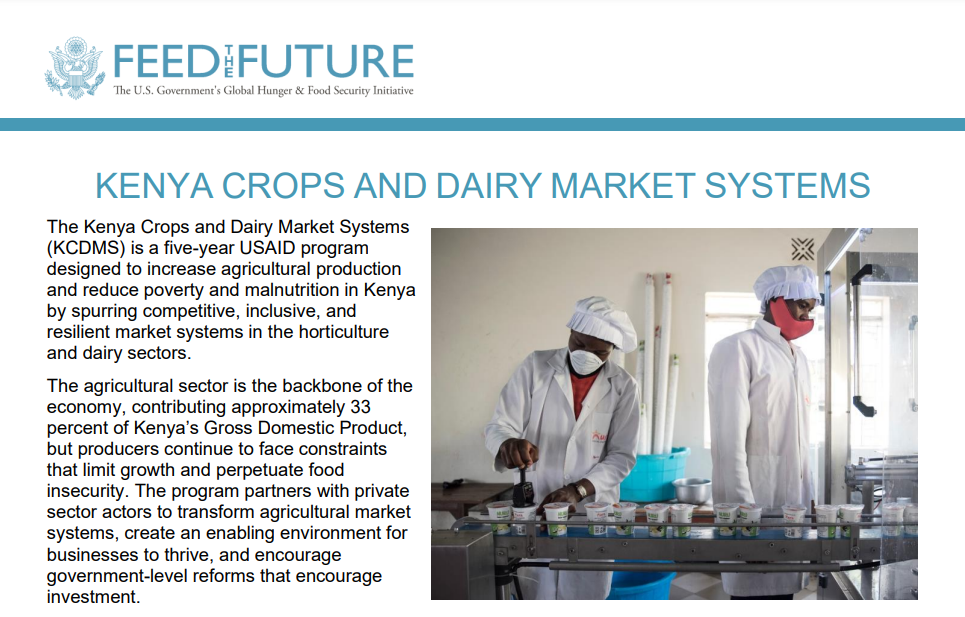
Kenya Crops and Dairy Market Systems
Through a private sector-driven approach, this program uses a variety of incentives, capacity building, and practices to stimulate market players to invest in productivity, financing, and business relationship enhancing improvements. KCDMS also leads interventions to improve nutritional outcomes and strengthen the capacity of county governments to facilitate agricultural sector growth. In turn, these efforts ensure that county and national level policy dialogue is grounded with business association needs and market intelligence, which facilitates a more inclusive business and investment enabling environment at all stages of target value chains. KCDMS also facilitates market linkages in domestic, regional, and international markets for more competitive value chains. During the COVID-19 pandemic, KCDMS redirected investments to ensure the functioning of local markets, working with agri-businesses to conduct outreach to smallholders through widespread radio messaging to foster continued production and increase access to inputs during the pandemic. In addition, the program worked with key business development services providers to assist farmer cooperatives on business development.
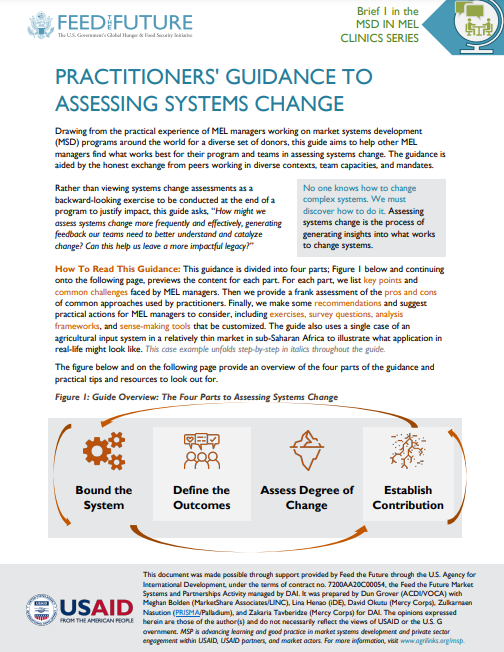
Practitioners’ Guidance to Assessing Systems Change
This guidance focuses on assessing systemic change as an ongoing action done in implementation, as part of a regular monitoring and evaluation system, and not just at the end of the program.
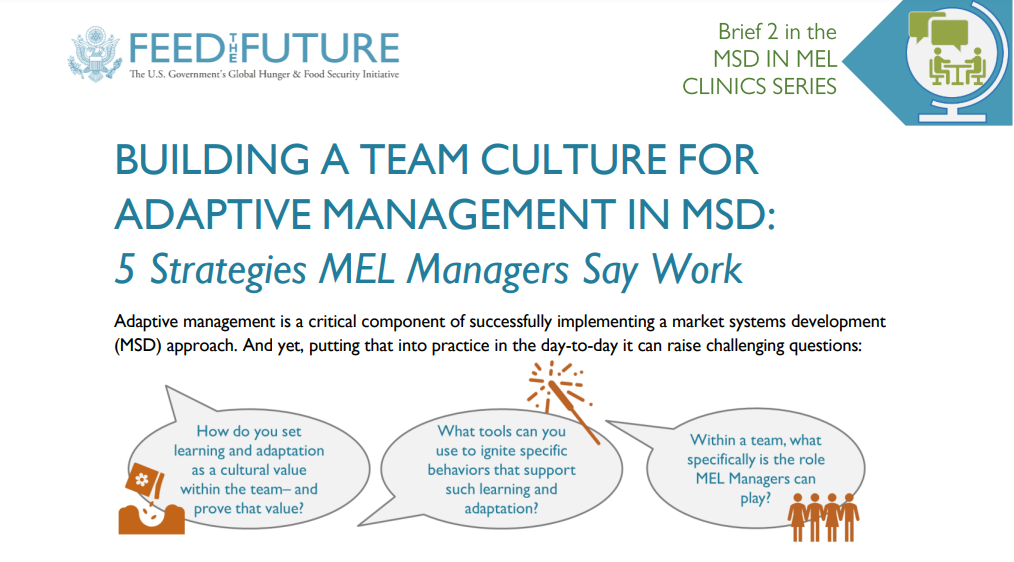
Building a Team Culture for Adaptive Management in MSD: 5 Strategies MEL Managers Say Work
Adaptive management is a critical component of successfully implementing a market systems development (MSD) approach. And yet, putting that into practice in the day-to-day it can raise challenging questions. To tackle these challenges, four senior Monitoring, Evaluation, and Learning (MEL) Managers came together to exchange experiences.