
-
Article
Brief
Meeting Notes
Presentation
Poster
Report
Toolkit
Video
Webinar
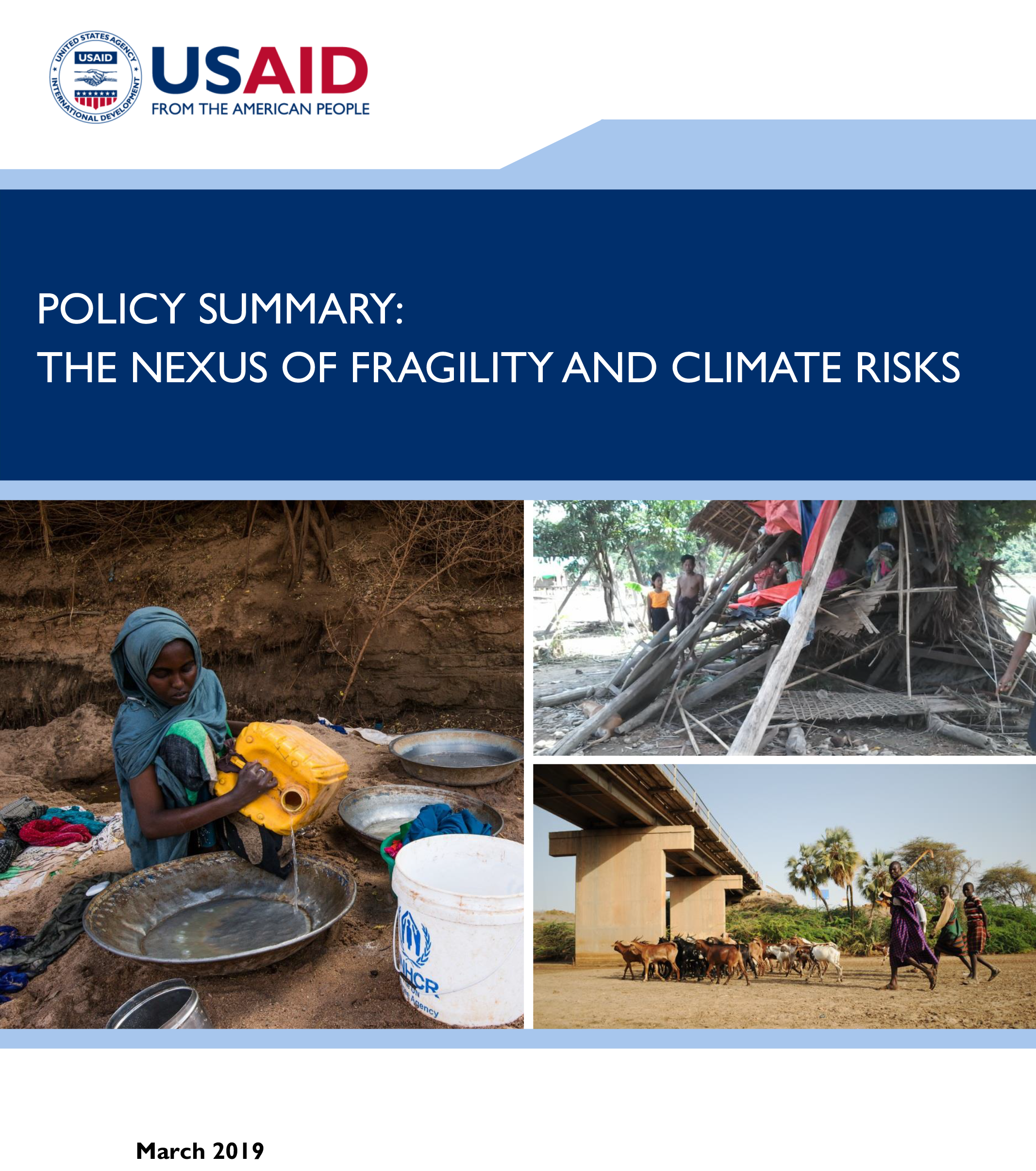
Policy Summary: The Nexus of Fragility and Climate Risks
The research, summarized here, does not seek to establish a causal relationship between climate exposure and instability. Instead, it identifies the locations where fragility and climate risks cooccur around the world. It assesses key global fragility and climate patterns and country-specific risks to assess how these dynamics may coalesce to foster instability, strain state capacity, and undermine human security. Since places with compound fragility-climate risks may be more vulnerable to governance failures and other crises that foster humanitarian emergencies or instability, understanding their distinct fragility and climate challenges could present opportunities and focal points for intervention and risk management.
Updated Program Functionality Matrix for Optimizing Community Health Programs
The USAID Health Care Improvement (HCI) Project developed the CHW AIM Toolkit in 2011 to help organizations assess community health program functionality and improve program performance. As with the original AIM tool, this updated version is intended to capacitate the processes of programmatic design, planning, assessment, and improvement, for stakeholders ranging from local NGOs, to national policymakers and planners, to global stakeholders.
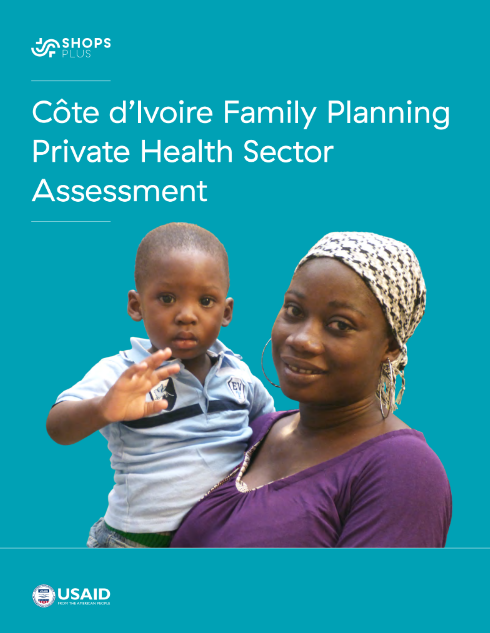
Côte d’Ivoire Family Planning Private Health Sector Assessment (English & French)
The SHOPS Plus project, in collaboration with USAID/Côte d’Ivoire, conducted an assessment of the family planning market and provided targeted recommendations to empower stakeholders to sustainably engage the private sector and help Côte d’Ivoire achieve its Family Planning 2020 targets. This brief highlights key findings and recommendations from the full assessment report.
The Intersection of Global Fragility and Climate Risks
When states face fragility and climate risks simultaneously, the risks and challenges are compounded. This study seeks to identify the locations where fragility and climate risks co-occur around the world. Since these places with compound fragility-climate risks may be more vulnerable to humanitarian emergencies or instability, understanding the distinct fragility and climate challenges they face could present opportunities and focal points for intervention.
Skills for Youth Project
The project installed Cisco networking training equipment at all the partner institutions and trained 132 IT teachers (113 men, 19 women) as Cisco academy instructors to cascade the ICT skills training to students. The Cisco academies established through SYP enrolled 4533 students, of which 3592 completed their training during the life of the project.
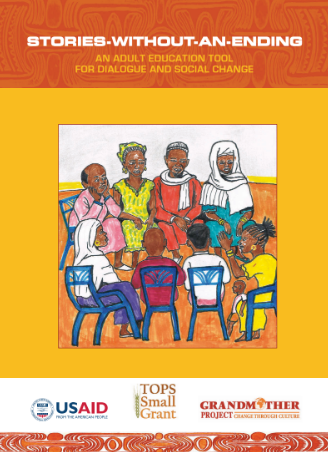
Stories Without an Ending: An Adult Education Tool for Dialogue and Social Change (English & French)
The purpose of this guide is to help organizations involved in community programs to develop and use SWE. This innovative adult education tool can be used to actively engage community groups in discussion of issues of priority concern to them and/or to development programs and to catalyze discussion of those issues in the wider community.
Trends in Health Financing and the Private Health Sector in the Middle East and North Africa
To understand current health financing policies and mechanisms, as well as the current role of the private sector in the health systems of the Middle East, the USAID Middle East Regional Bureau commissioned the Sustaining Health Outcomes through the Private Sector (SHOPS) Plus and Health Finance and Governance (HFG) projects to conduct a review of health financing and the private health sector in the 11 low- and middle-income countries in the region, focusing on the years 2008 to 2017.
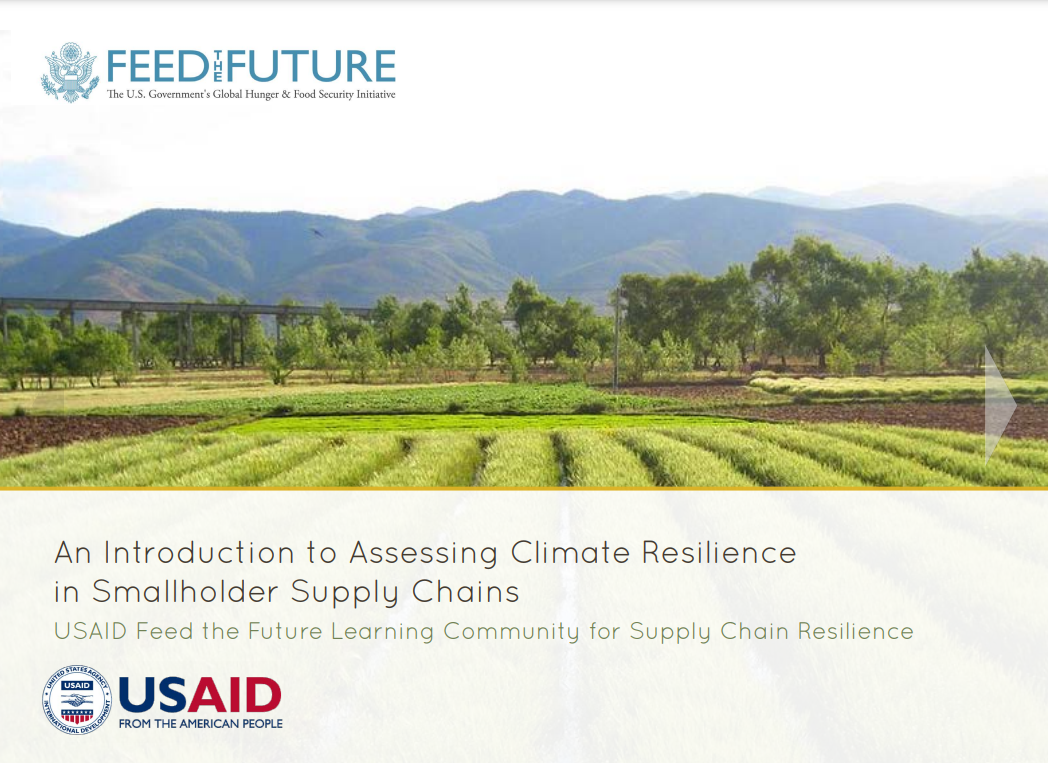
An Introduction to Assessing Climate Resilience in Smallholder Supply Chains
For companies sourcing from smallholders, evaluating resilience to climate change poses particular challenges. Smallholder sourcing entails working with many, diverse farmer communities around the globe, each with its own agricultural practices, cultural context, and risk exposure.
Emergency Supply Chain Playbook: Preparedness Overview Guide
To provide sponsors, senior leadership, and interested partners with an introduction to emergency supply chain preparedness as it is covered in the Playbook.
Emergency Supply Chain Playbook: Response Quick Guide
This guide covers an action checklist for: Governance and Organization; Triggers; Financing; Data Visibility; Commodity Forecasting; Procurement and Sourcing; Stockpiling; Warehousing and Storage; and Transport and Waste Management.
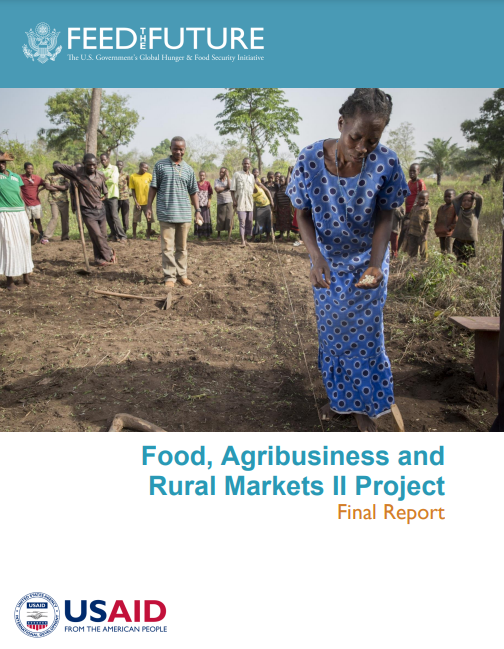
Food, Agribusiness and Rural Markets II Project
FARM II’s yield assessments showed that productivity yields of beneficiary farmers were 29 percent higher than those of non-beneficiary farmers. Greenbelt farmers also significantly exceeded African continent averages for all four assessed crops. The study suggested that the improved technologies and farming practices introduced by FARM II are taking hold among nonbeneficiary farmers in the region. Here, Betty Abou from Magwi County in Eastern Equatoria State packs maize to be taken to Juba for sale.
Tanzania Private Health Sector Lending
SHOPS Plus is supporting USAID Tanzania’s goals and is helping to address the lack of access to finance by working to strengthen the ability of private health providers to access and use financing.

Program Brief: Climate Change Adaptation Program
The United States Agency for International Development (USAID) has partnered with the Caribbean Community Climate Change Centre (CCCCC) to address some of the challenges through the provision of up to US$25.6 million investment over the next four years. The goal of the Program is to reduce risks to human and natural assets resulting from climate change vulnerability. The activity aims to strengthen an integrated system for the implementation and financing of sustainable adaptation approaches in the Eastern and Southern Caribbean region.
Telemed Medical Services
Telemed was founded in 2012. Mission: design and implement systems that allow clients who seek health care in Ethiopia to receive affordable, reliable and immediate healt
USAID/Climate Change Adaptation Project Preparation Facility for Asia and the Pacific
Improving national government access to climate change adaptation financing and accelerating investment proposals

Increasing the Use of ORS and Zinc through the Private Sector
In April 2011, USAID Kenya invited SHOPS to conduct a Total Market Assessment of diarrhea management practices. The assessment focused on identifying opportunities available through the private health sector, to increase access to and use of the recommended diarrhea treatment (ORS and zinc) by caregivers of children under 5.
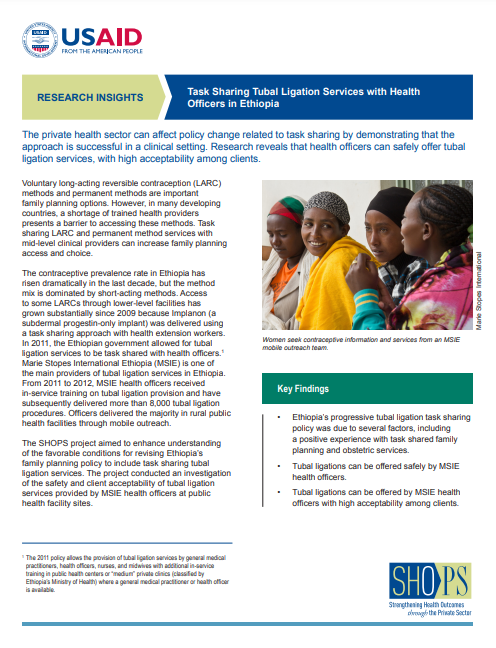
Task Sharing Tubal Ligation Services with Health Officers in Ethiopia
Voluntary long-acting reversible contraception (LARC) methods and permanent methods are important family planning options. However, in many developing countries, a shortage of trained health providers presents a barrier to accessing these methods. Task sharing LARC and permanent method services with mid-level clinical providers can increase family planning access and choice.
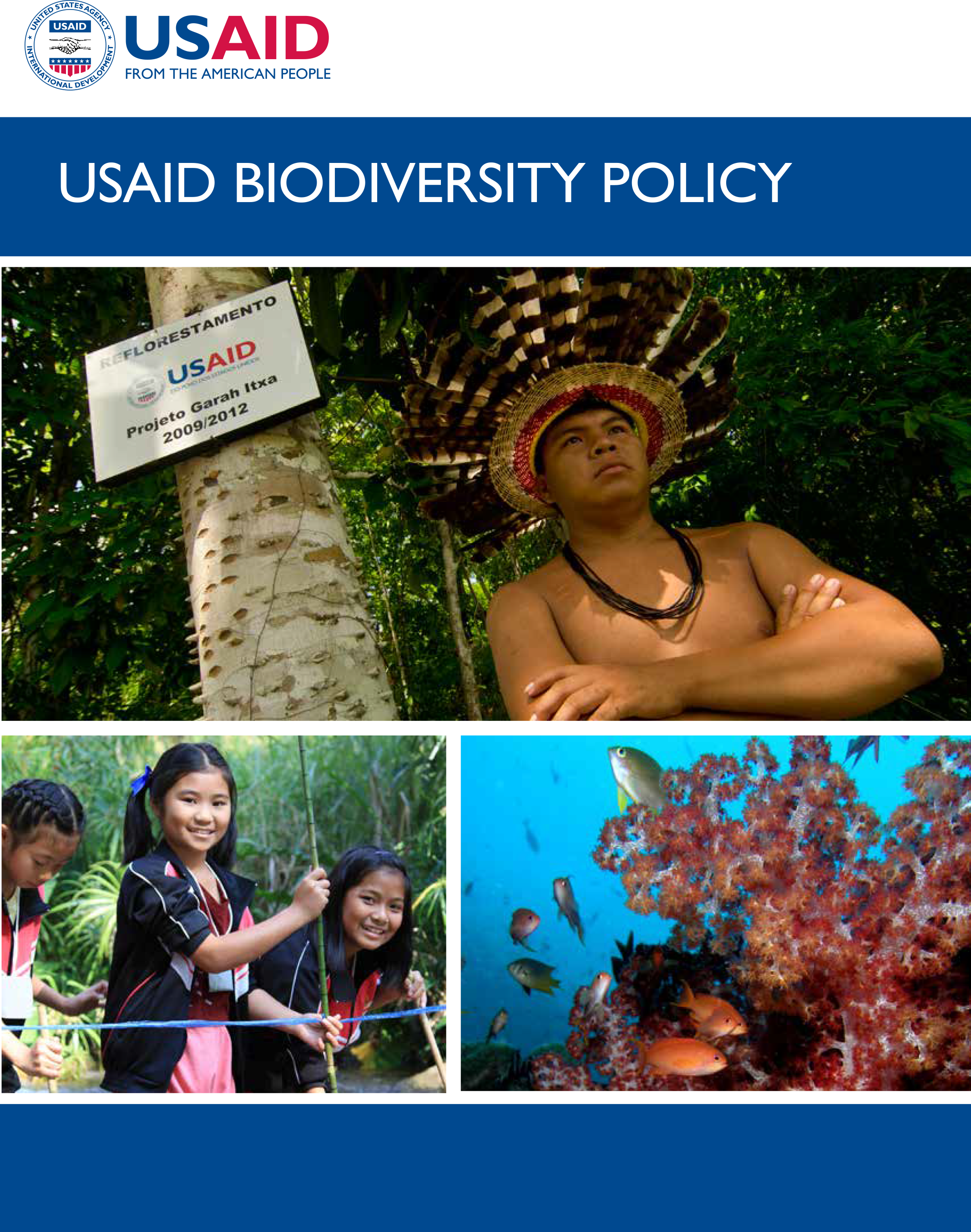
USAID Biodiversity Policy
This Policy represents a recommitment of USAID to conserve biodiversity through strategic actions to reduce threats and drivers, as well as a new focus on integrating biodiversity conservation with other development sectors. A roadmap for implementation highlights the most critical steps necessary for implementing this Policy. (See Annex II.)
Increasing Access to Maternal Health Services through Vouchers: The Uganda Healthy Baby Experience
Why a maternal health voucher in Uganda?