
-
Article
Brief
Meeting Notes
Presentation
Poster
Report
Toolkit
Video
Webinar
Adherence to Standards for MNH Service Delivery at Public and Private Facilities
This analysis, conducted under the Data for Impact (D4I) award, leverages Service Provision Assessment (SPA) data from 2012–2022 to evaluate the adherence of MNH service providers to WHO process standards. The study examines differences between public and private facilities, including for-profit and not-for-profit (NFP) facilities, and tracks changes over time in selected countries.

Safe Childbirth Checklist Landscape Analysis
Globally, almost 135 million births occurred in 2023 (United Nations Population Division, 2024), and around 285,000 women* die each year due to pregnancy or childbirth-related causes (World Health Organization [WHO], 2024b). According to the WHO, the most frequent causes of maternal mortality are postpartum hemorrhage, infection after childbirth, and high blood pressure during pregnancy.
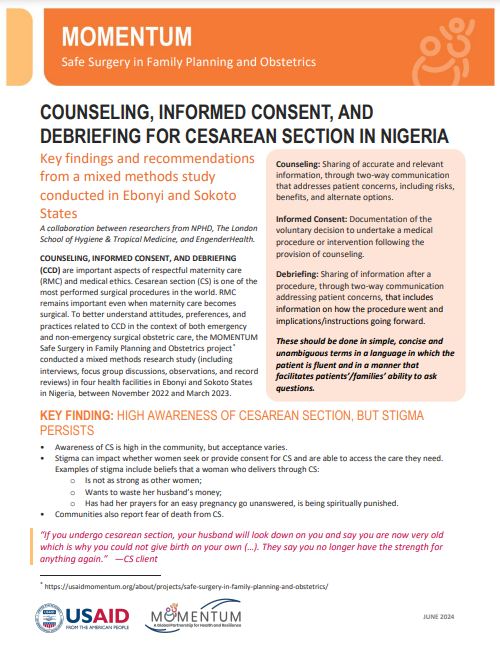
Counseling, Informed Consent, and Debriefing for Cesarean Section in Nigeria
COUNSELING, INFORMED CONSENT, AND DEBRIEFING (CCD) are important aspects of respectful maternity care (RMC) and medical ethics. Cesarean section (CS) is one of the most performed surgical procedures in the world. RMC remains important even when maternity care becomes surgical.
Maternal Mental Health: A Toolkit for Engaging Faith Actors as Change Agent
Given the high prevalence of mental health conditions in the perinatal period—pregnancy up to two years after birth—global attention to mental health is essential. Communities must work together to support prevention, early detection, and treatment of mental health conditions during pregnancy and postpartum, when the risk of mental disorders is highest.
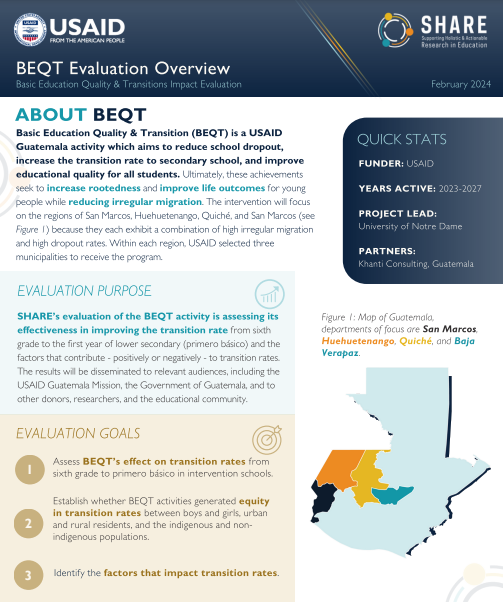
BEQT Evaluation Overview: Basic Education Quality & Transitions Impact Evaluation
Basic Education Quality & Transition (BEQT) is a USAID Guatemala activity which aims to reduce school dropout, increase the transition rate to secondary school, and improve educational quality for all students. Ultimately, these achievements seek to increase rootedness and improve life outcomes for young people while reducing irregular migration. The intervention will focus on the regions of San Marcos, Huehuetenango, Quiché, and San Marcos because they each exhibit a combination of high irregular migration and high dropout rates. Within each region, USAID selected three municipalities to receive the program.
LITES Study Overview: Language of Instruction Transition in Education Systems
LITES is a cross-country study (occurring in Kenya, Mali, Mozambique, the Philippines, Senegal, and Rwanda) seeking to fill this this knowledge gap by generating empirical evidence regarding factors that contribute to the success of language of instruction transitions for learners’ second language literacy skills. Evidence generated from this study will provide useful insights to bilingual and multilingual education in low-resource settings.
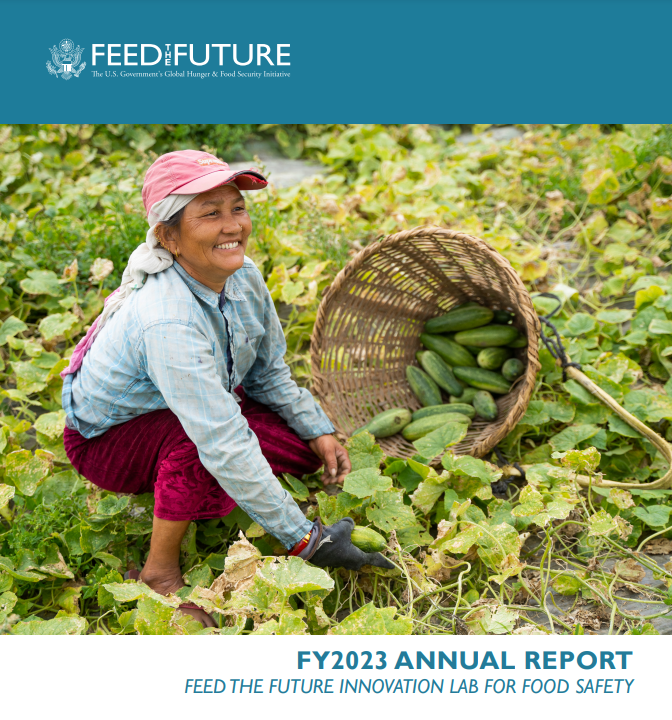
FY2023 Annual Report Feed the Future Innovation Lab for Food Safety
In FY2023, the Feed the Future Innovation Lab for Food Safety (FSIL) subaward projects in Bangladesh, Cambodia, Kenya, Nepal, Nigeria, and Senegal made significant progress in data collection to better understand microbial food safety challenges in each focus country, analyze the roles and opportunities for women in food safety and in different food value chains, and identify appropriate food safety interventions. All projects entered their final year of activities (year three for long-term subawards in Bangladesh, Cambodia, Kenya, and Senegal and year two for short-term subawards in Nepal and Nigeria) and many have started to analyze data and disseminate results. In FY2023, FSIL subaward projects published nine peer-reviewed journal articles, gave seven conference presentations, and hosted workshops and training sessions for producers, extension agents, government stakeholders, and the private sector.
Feed the Future Climate Resilient Cereals Innovation Lab (CRCIL)
The MEL Plan is designed based on the CRCIL’s goals, and expected outputs, outcomes, and impacts, taking into consideration the corresponding MEL activities required to assess progress in its achievements. It establishes a sustainable system for ensuring the quality and validity of data by employing rigorous procedures towards the adaptive management necessary to quantify the progress and impact of proposed activities and measure program contributions to the overall program goal. The MEL Plan Collaborating, Learning, and Adapting (CLA) approach, based on the United States Agency for International Development’s (USAID) CLA approach, and CRCIL’s Theory of Change (TOC) will guide the refinement of activity design as needed, based on new evidence, continual learning, and complexity-aware monitoring and innovative evaluation activities.
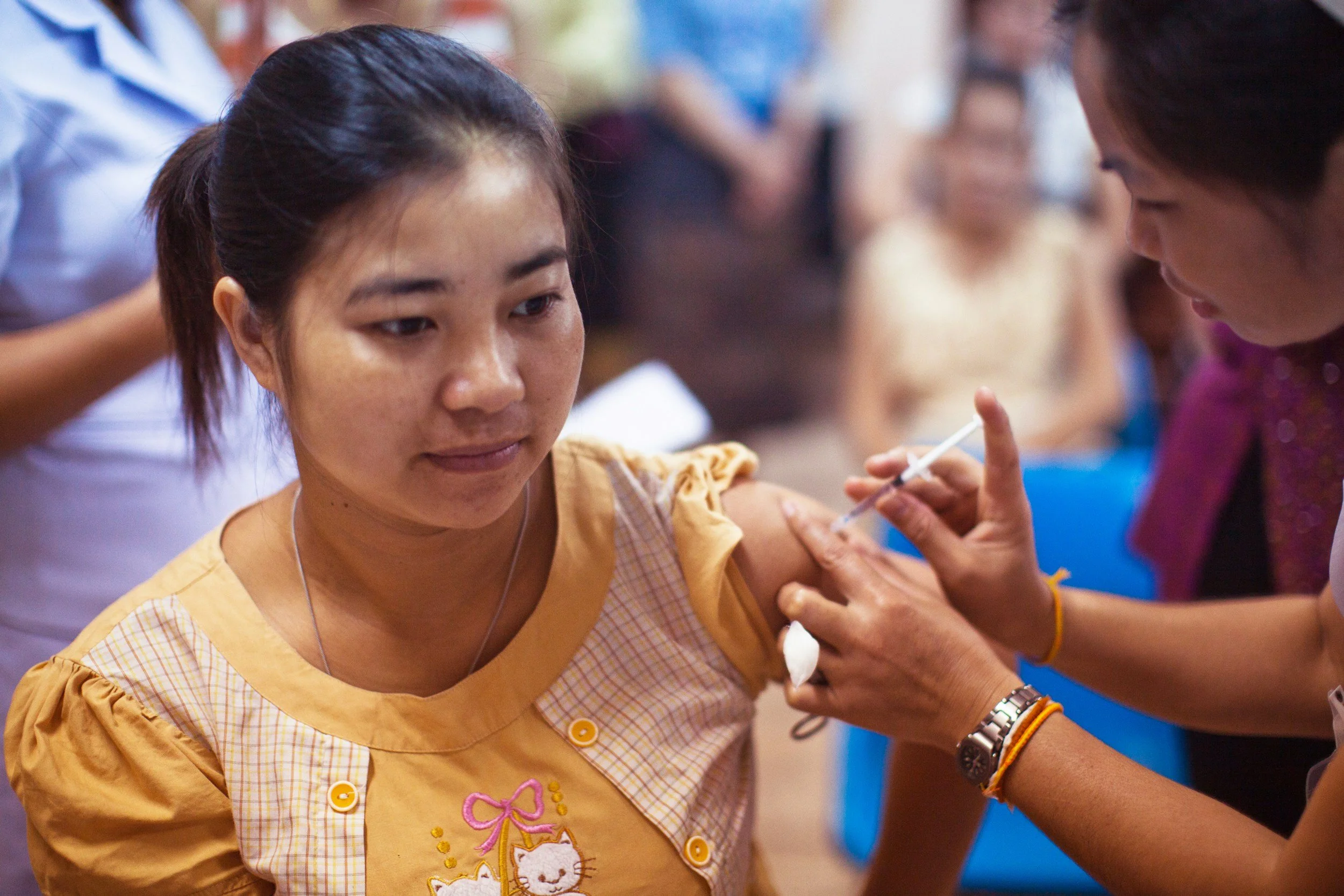
USAID Global Health Research and Development Strategy 2023-2028
This strategy describes USAID’s renewed commitment to research and development (R&D) and use of new, innovative health products and technologies; the implementation and scale-up of real world, evidence-based research and learning to improve health outcomes globally; and the strengthening of both local health research and development capacity and global research and development partnerships.
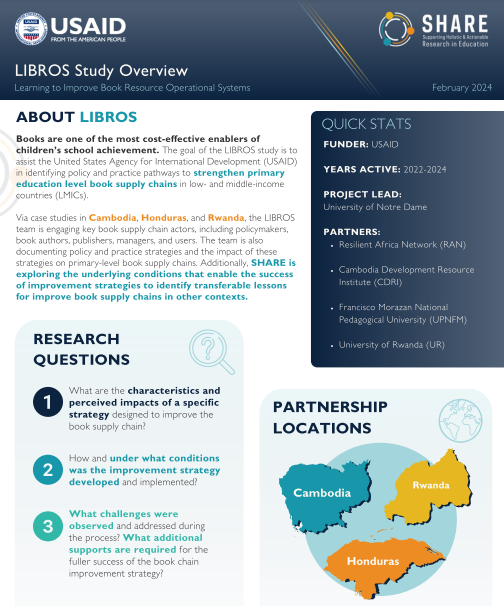
LIBROS Study Overview Learning to Improve Book Resource Operational Systems
Via case studies in Cambodia, Honduras, and Rwanda, the LIBROS team is engaging key book supply chain actors, including policymakers, book authors, publishers, managers, and users. The team is also documenting policy and practice strategies and the impact of these strategies on primary-level book supply chains.
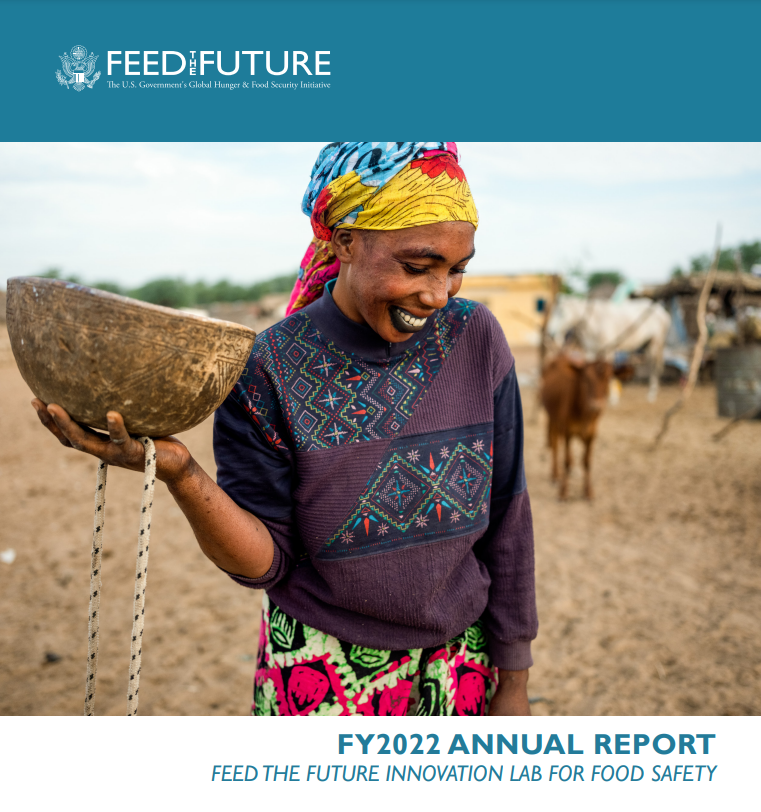
FY2022 Annual Report Feed the Future Innovation Lab for Food Safety
As travel and institutional pandemic restrictions eased globally, the Feed the Future Innovation Lab for Food Safety (FSIL) accelerated research activities in all focus countries. FSIL's four long-term research subawards in Bangladesh, Cambodia, Kenya, and Senegal entered their second year of implementation. These projects were in the data collection stage of their project cycles for most of FY2022.
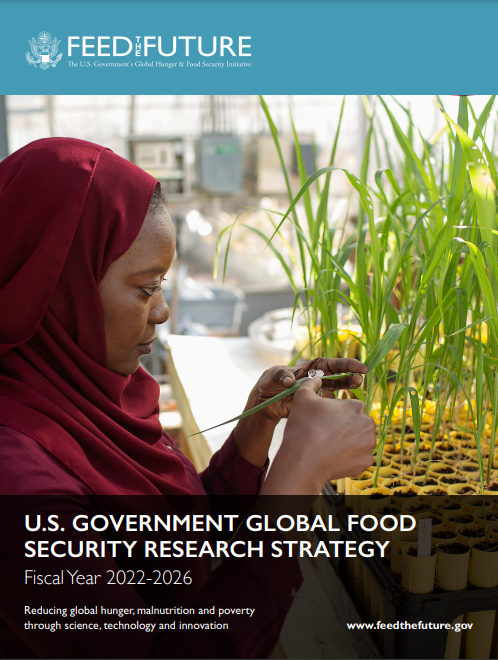
U.S. Government Global Food Security Research Strategy, FY22-26
This Global Food Security Research Strategy outlines the U.S. Government’s science-based, convergent, demand-led, and inclusive approach to addressing food-security challenges.
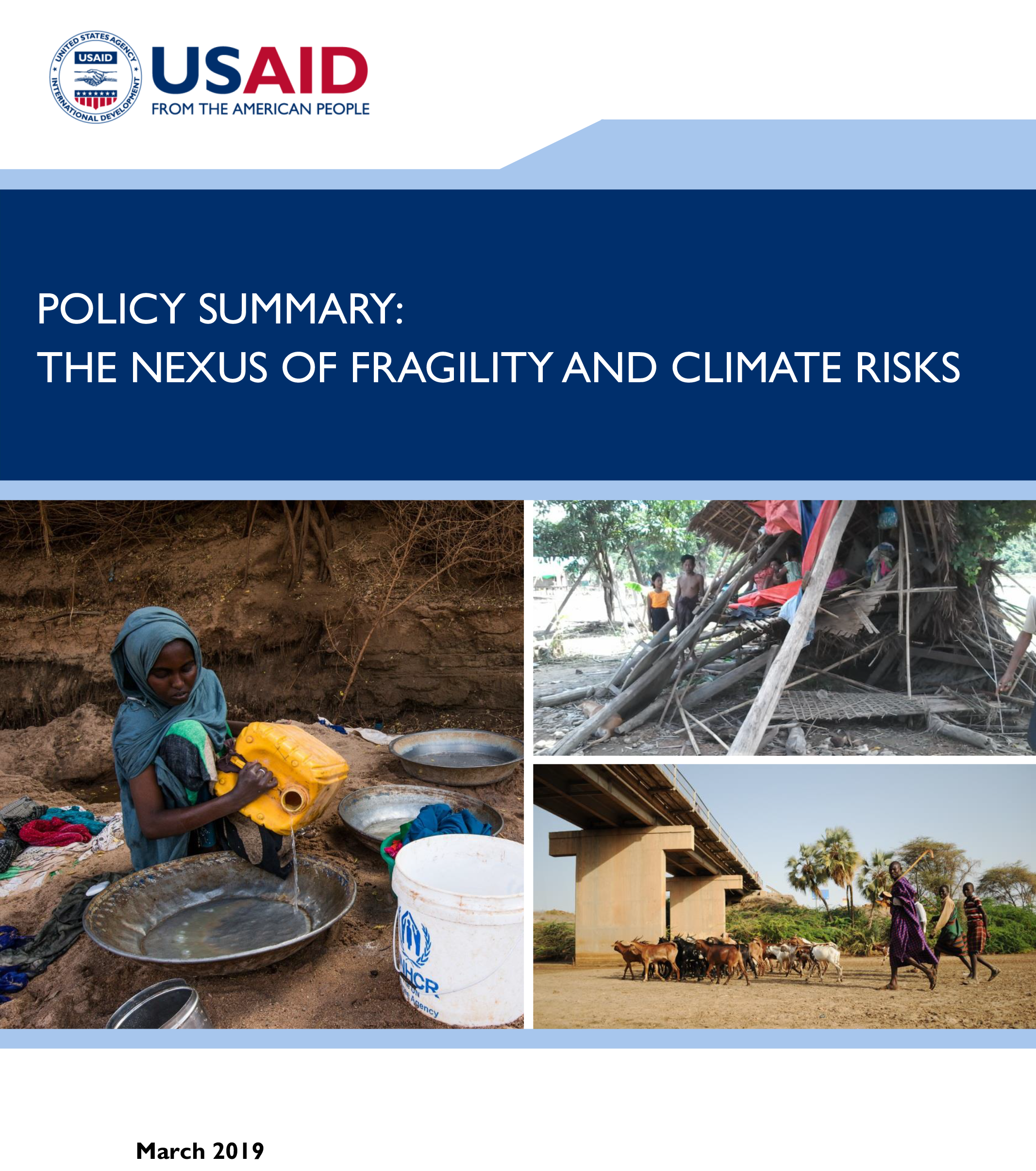
Policy Summary: The Nexus of Fragility and Climate Risks
The research, summarized here, does not seek to establish a causal relationship between climate exposure and instability. Instead, it identifies the locations where fragility and climate risks cooccur around the world. It assesses key global fragility and climate patterns and country-specific risks to assess how these dynamics may coalesce to foster instability, strain state capacity, and undermine human security. Since places with compound fragility-climate risks may be more vulnerable to governance failures and other crises that foster humanitarian emergencies or instability, understanding their distinct fragility and climate challenges could present opportunities and focal points for intervention and risk management.
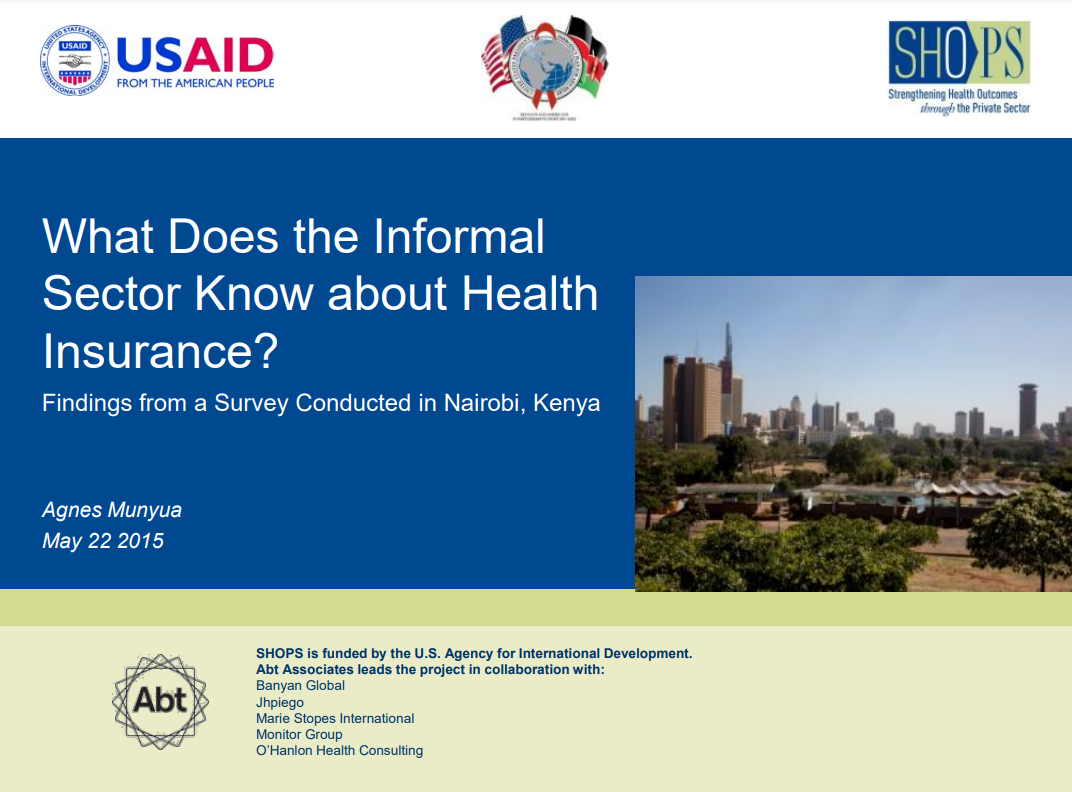
What Does the Informal Sector Know about Health Insurance?
Findings from a Survey Conducted in Nairobi, Kenya
What Does the Informal Sector Know about Health Insurance?
Findings from a Survey Conducted in Nairobi, Kenya
Extending the Reach: Contracting Out HIV Services to the Private Health Sector in Gauteng, South Africa
This study focuses on the experience of Right to Care Health Services (RTCHS), a South African private company that manages HIV and AIDS services on behalf of several clients, including PEPFAR, through the United States Agency for International Development (USAID), the South African government, employers, and medical aid schemes.
Evaluation of Dimpa Injectable Contraceptive Network in India
DMPA is at the threshold of being a widely accepted method
Diarrhea Management Knowledge,Attitudes and Practices amongCaregivers and Providers in Uganda
Caregivers’ level of awareness about causes of diarrhea is adequate but awareness of appropriate diarrhea treatments is poor. According to providers, caregivers demand specific treatments (primarily antibiotics) for their children. This in turn influences which treatments providers recommend.
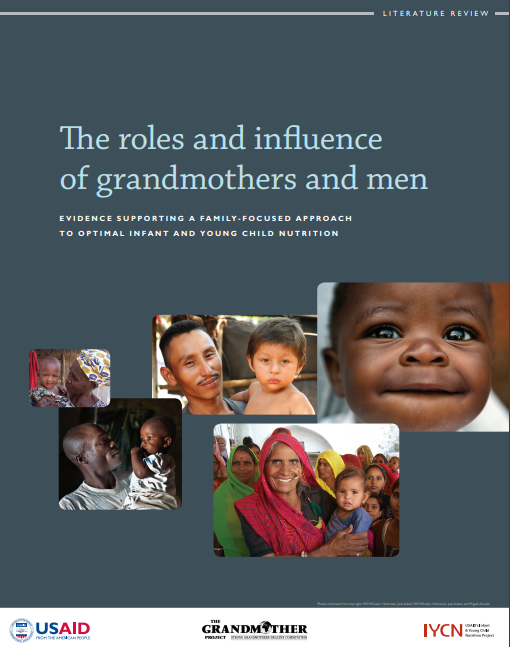
The Roles and Influence of Grandmothers and Men
This report reviews both published and gray literature from the past 25 years that addresses intrahousehold roles and dynamics related to infant and young child nutrition—specifically the roles and influence of senior women, or grandmothers, and men.