
-
Article
Brief
Meeting Notes
Presentation
Poster
Report
Toolkit
Video
Webinar
Report to Congress on Progress to Strengthen Disaster Resilience in the Caribbean Region
The U.S. Agency for International Development (USAID) submits this report, pursuant to Section 7019(e) of Division K of P.L. 117-328, the Department of State, Foreign Operations, and Related Programs Appropriations Act, 2023, which incorporates by reference the requirements of House Report H. Report 117-401 on strengthening disaster resilience in the Caribbean region:
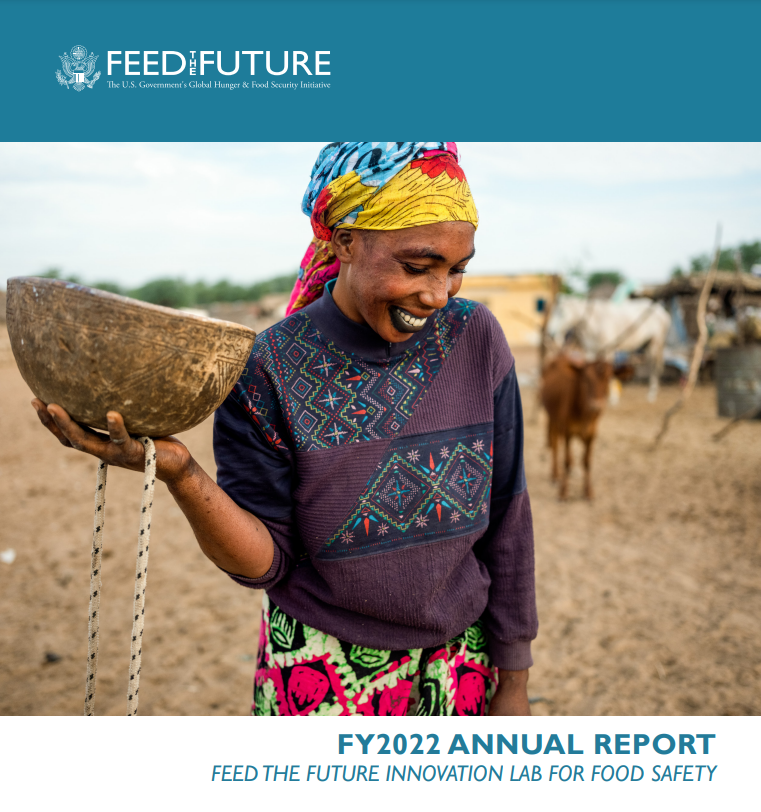
FY2022 Annual Report Feed the Future Innovation Lab for Food Safety
As travel and institutional pandemic restrictions eased globally, the Feed the Future Innovation Lab for Food Safety (FSIL) accelerated research activities in all focus countries. FSIL's four long-term research subawards in Bangladesh, Cambodia, Kenya, and Senegal entered their second year of implementation. These projects were in the data collection stage of their project cycles for most of FY2022.
USAID Report to Congress on Programs in Forestry and the Conservation of Biodiversity during Fiscal Year 2020: Results and Funding
By conserving coral reefs and mangroves, improving forest management, and driving innovative technologies, USAID’s conservation activities reduce greenhouse gas emissions and increase carbon storage.
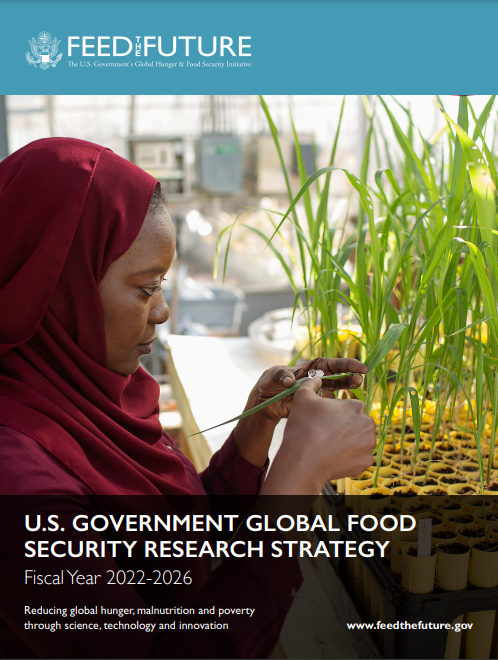
U.S. Government Global Food Security Research Strategy, FY22-26
This Global Food Security Research Strategy outlines the U.S. Government’s science-based, convergent, demand-led, and inclusive approach to addressing food-security challenges.
U.S. Government Global Water Strategy 2022-2027
The global water crisis continues to threaten United States (U.S.) national security and prosperity. Water insecurity endangers public health and food security and undermines economic growth. It also deepens inequalities and increases the likelihood of conflict and state failure.
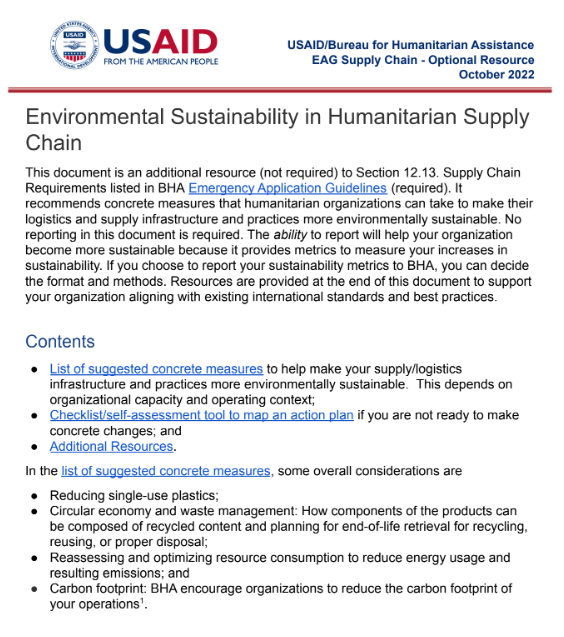
Environmental Sustainability in Humanitarian Supply Chain
This document is an additional resource to Section 12.13. Supply Chain Requirements listed in BHA Emergency Application Guidelines.

USAID Climate Risk Analysis for Pacific Island Countries Assessment Report
Recognizing the risks associated with climate change, several PIC have developed ambitious plans to mitigate greenhouse gas (GHG) emissions and to address adaptation needs.
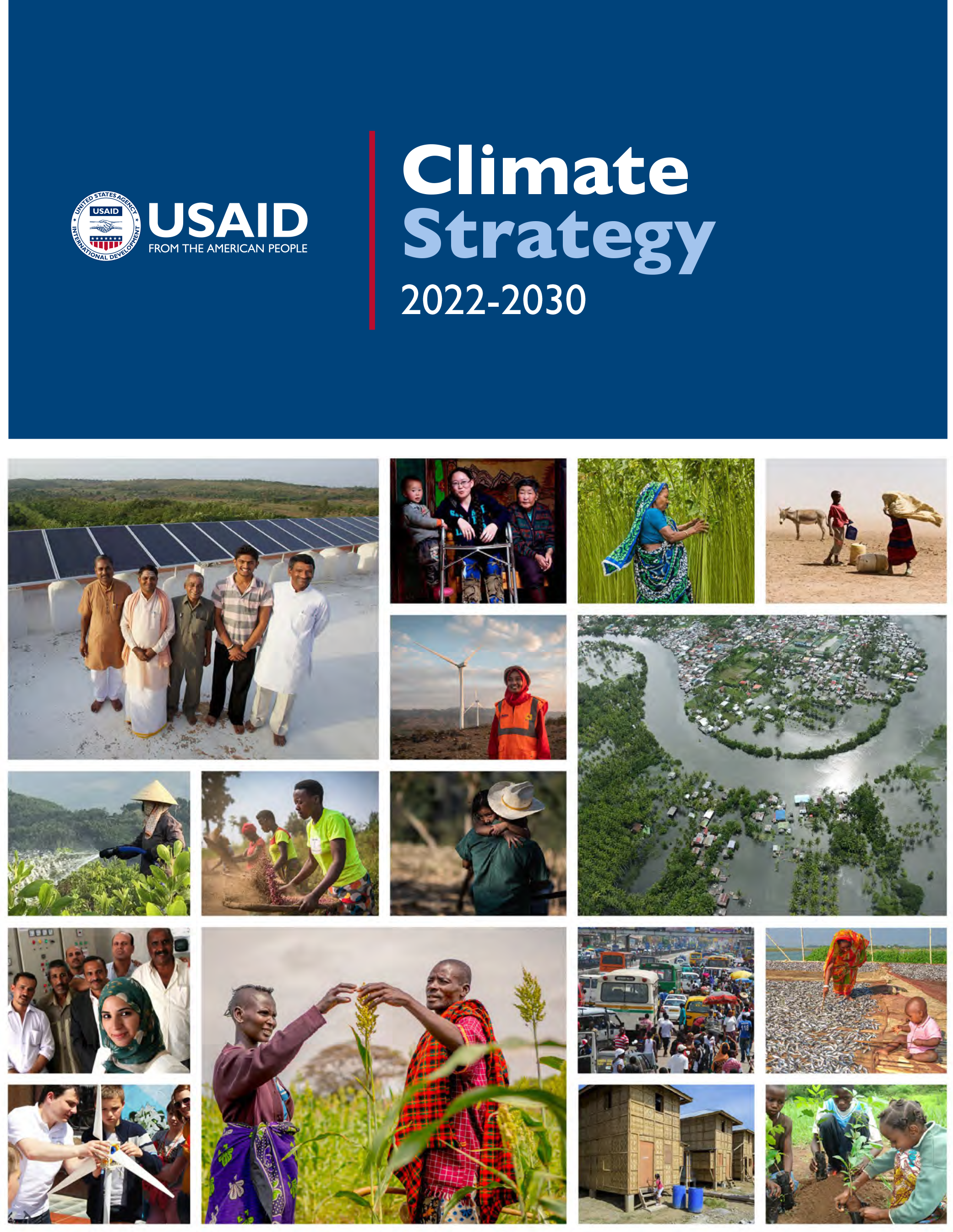
Climate Strategy 2022-2030 (English, Arabic, French & Spanish)
USAID has developed a new Climate Strategy that will guide our work through 2030 in a way that is truly different.
U.S. Dept. of State and USAID Joint Strategy FY 2022 - 2026
“These steps will help us build a more inclusive Agency, one that is more diverse and willing to engage with new partners, more equitable in its impact, and more responsive to local voices. USAID’s legacy as the world’s leading bilateral development institution has always been an asset to the American people and a means for securing stability, security, and prosperity, both at home and abroad. This Joint Strategic Plan acknowledges and draws strength from this heritage to take on the challenges of today and prepare for those that will come tomorrow.”
Mobilizing Climate Finance for Clean Energy and Energy Efficiency Investments
A Primer for Integration into USAID Energy Sector Activities
Bureau for Resilience and Food Security Digital Strategy Action Plan
To work toward this vision, RFS aims to use digital technologies effectively to create more inclusive, efficient, prosperous, healthy, and connected agriculture, food, and water systems today — and more climate-smart and resilient agriculture, food, and water systems for tomorrow that sustainably support the health, well-being, and livelihoods of our target populations.
President’s Emergency Plan for Adaptation and Resilience (PREPARE)
In response to a severe and urgent crisis, the President of the United States of America is announcing the President’s Emergency Plan for Adaptation and Resilience (PREPARE) to support developing countries and communities in vulnerable situations around the world in their efforts to adapt to and manage the impacts of climate change. T
U.S. Government Global Food Security Strategy
The updated Global Food Security Strategy is our roadmap to that better future. It charts an ambitious course to reduce global poverty, hunger, and malnutrition in the face of COVID-19, climate change, growing conflict, and rising inequality through Feed the Future, the U.S. government’s (USG) global hunger and food-security initiative. It brings America’s full strength to bear on these challenges by drawing on the expertise of agencies across the U.S. government. Through this strategy, we aim to contribute toward a 20% reduction in poverty and stunting in the areas where we work between 2022-2026 by partnering with foreign governments, the private sector, and our colleagues across the interagency.

2021 Climate Readiness Plan
With this new Climate Readiness Plan (CRP), USAID is revitalizing its approach to climate change adaptation, resilience, and risk mitigation across the Agency’s programs and operations and is also committing to ambitious mitigation targets and new adaptation actions in alignment with Biden-Harris Administration priorities, multilateral climate objectives, and the newest climate science.
USAID Climate Ready Knowledge Products: Multi-Criteria Analysis Tool
The resultant tool has since been used to assist reviewers to score and prioritize against GCF Investment criteria based on GCF Investment Criteria.
USAID Climate Ready Knowledge Products: Business Continuity Planning Resources
This collection of resources will build your awareness on: The concepts of disaster readiness and business continuity for business; and The key steps for a business to become disaster ready.
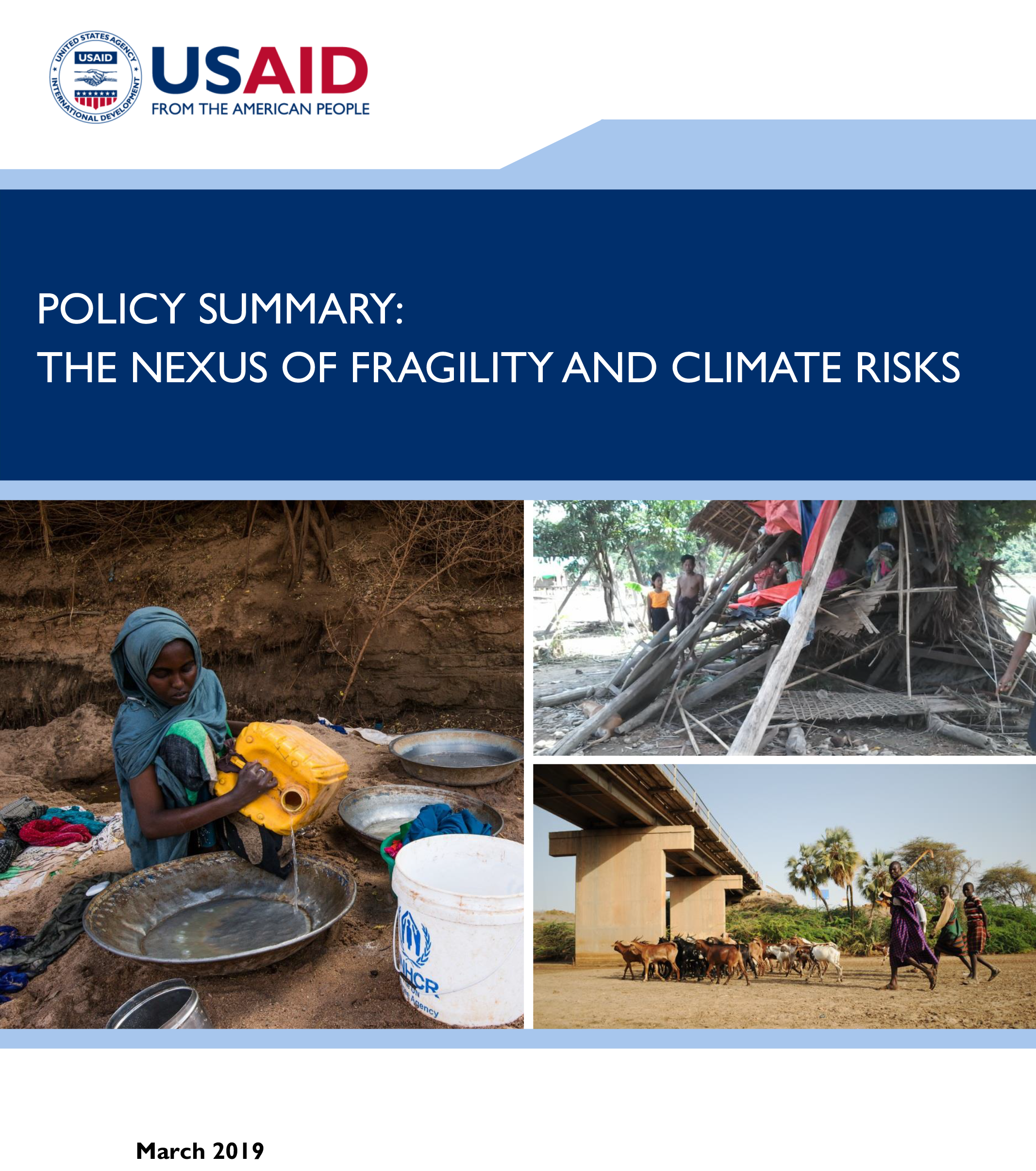
Policy Summary: The Nexus of Fragility and Climate Risks
The research, summarized here, does not seek to establish a causal relationship between climate exposure and instability. Instead, it identifies the locations where fragility and climate risks cooccur around the world. It assesses key global fragility and climate patterns and country-specific risks to assess how these dynamics may coalesce to foster instability, strain state capacity, and undermine human security. Since places with compound fragility-climate risks may be more vulnerable to governance failures and other crises that foster humanitarian emergencies or instability, understanding their distinct fragility and climate challenges could present opportunities and focal points for intervention and risk management.
The Intersection of Global Fragility and Climate Risks
When states face fragility and climate risks simultaneously, the risks and challenges are compounded. This study seeks to identify the locations where fragility and climate risks co-occur around the world. Since these places with compound fragility-climate risks may be more vulnerable to humanitarian emergencies or instability, understanding the distinct fragility and climate challenges they face could present opportunities and focal points for intervention.
An Introduction to Assessing Climate Resilience in Smallholder Supply Chains
For companies sourcing from smallholders, evaluating resilience to climate change poses particular challenges. Smallholder sourcing entails working with many, diverse farmer communities around the globe, each with its own agricultural practices, cultural context, and risk exposure.

Program Brief: Climate Change Adaptation Program
The United States Agency for International Development (USAID) has partnered with the Caribbean Community Climate Change Centre (CCCCC) to address some of the challenges through the provision of up to US$25.6 million investment over the next four years. The goal of the Program is to reduce risks to human and natural assets resulting from climate change vulnerability. The activity aims to strengthen an integrated system for the implementation and financing of sustainable adaptation approaches in the Eastern and Southern Caribbean region.