
-
Article
Brief
Meeting Notes
Presentation
Poster
Report
Toolkit
Video
Webinar
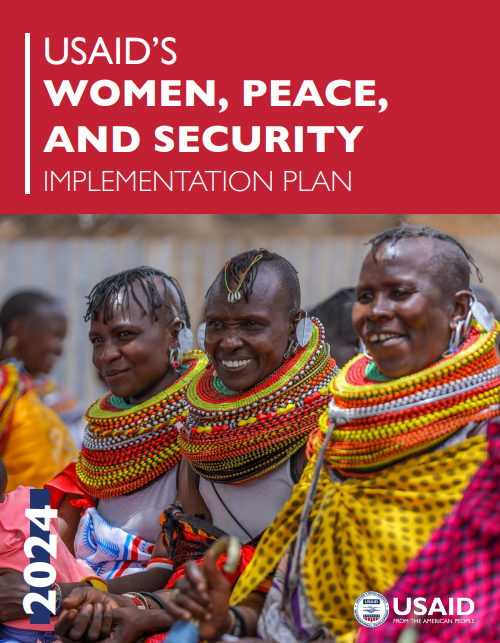
USAID's Women, Peace, and Security Implementation Plan 2024
As outlined in the Women, Peace, and Security Act of 2017, women and girls are disproportionately impacted by conflict. The status of women and the stability of nations are inextricably linked - higher levels of gender equality make countries more prosperous, secure, and democratic;3 and peace agreements are 35% more likely to last 15 years or more when women meaningfully participate4 in peace processes. Thus, the WPS Agenda is critical to USAID’s development efforts.
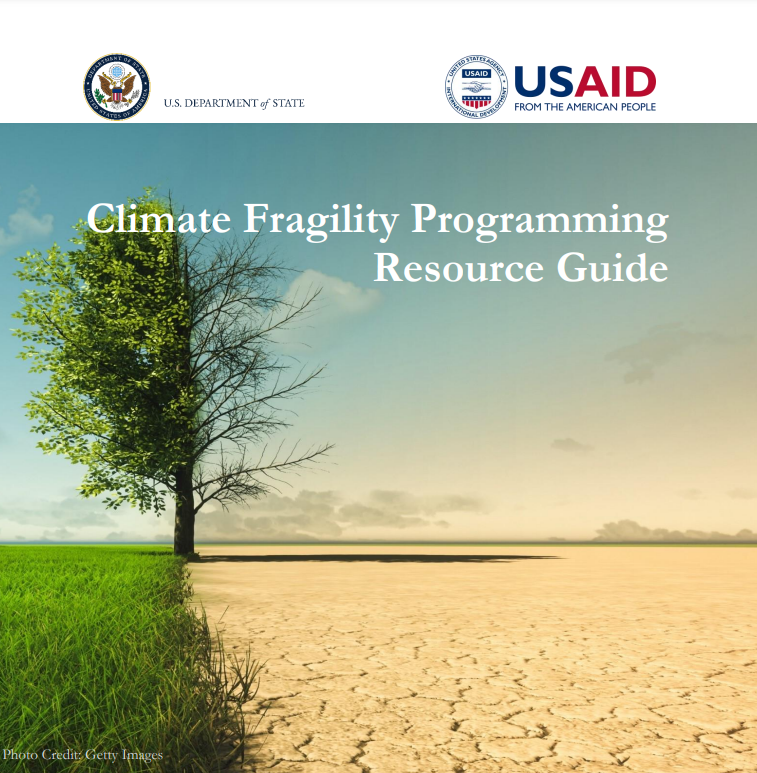
Climate Fragility Programming Resource Guide
The purpose of this resource guide is to support those working on conflict prevention and stabilization to 1) have a better understanding of the risks climate change poses to their work; 2) be equipped with the tools and approaches to best integrate climate change into existing or future programming; and 3) ultimately ensure that their conflict prevention and stabilization work has positive and sustainable outcomes.
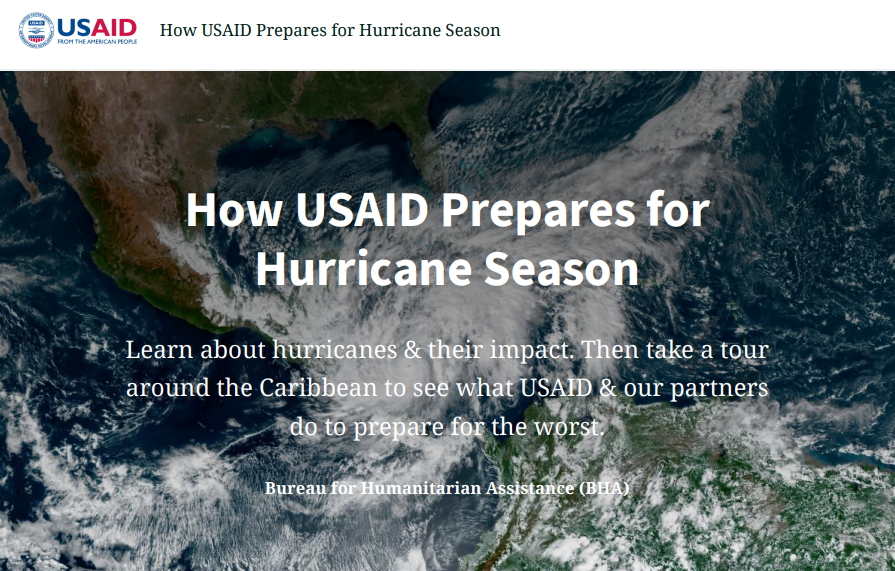
How USAID Prepares for Hurricane Season
Just one major hurricane can be devastating. That’s why USAID – through its Bureau for Humanitarian Assistance – prepares year-round to help communities in Latin America and the Caribbean prepare for the Atlantic hurricane season.
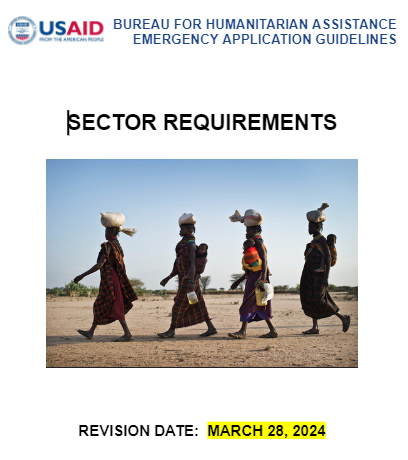
USAID/BHA Emergency Application Guidelines Sector Requirements
BHA’s Emergency Application Guidelines (EAG) are three core documents, with supplemental guidance and resources provided on the EAG webpage (BHA EAG Page), which is linked at the bottom of every page of this document.
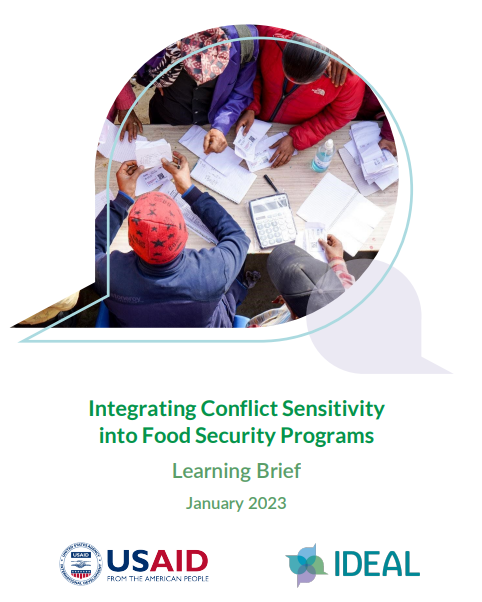
Integrating Conflict Sensitivity into Food Security Programs
This brief assesses prevailing practices, successes, challenges, lessons learned, and recommendations around integrating conflict sensitivity into food security programs. Ultimately, conflict sensitivity is not only about managing and mitigating risk, but also about seeking opportunities to promote peace. In this respect, this learning brief can contribute to USAID’s calls for greater coherence in humanitarian, development, and peace programming by supporting aid actors to “champion conflict integration and opportunities for enabling or building peace where possible.”
USAID Geospatial Strategy
As the world’s premier development agency, USAID has a unique role to play in the growing field of geospatial visualization and analysis—as a thought leader and convener, as an enabler of locally led development, and as a champion for innovative development solutions. This Strategy will help USAID fully embody this role and serve as a stronger partner to the people who can benefit most from these technologies. Working together with the geospatial and international development and humanitarian communities, by leveraging the best of our respective assets and strengths, we can help societies become more resilient and capable of leading their own development journeys.
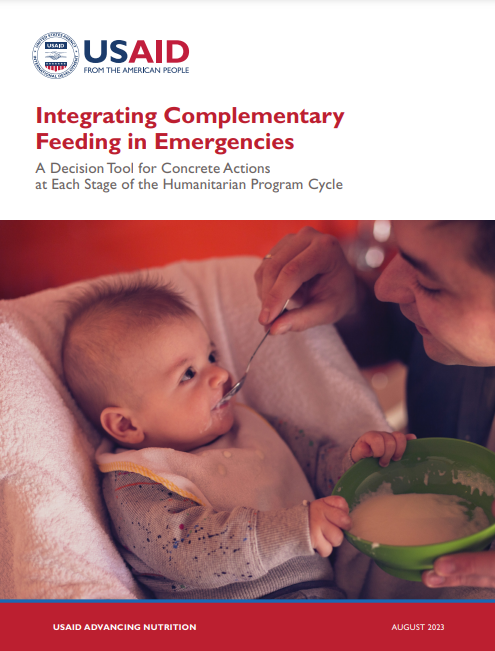
Integrating Complementary Feeding in Emergencies
This decision tool is intended for those involved in the design, planning, implementation, and monitoring of a nutrition humanitarian response before and during an emergency. It aims to guide technical advisors and managers working on a humanitarian response to design and incorporate complementary feeding actions, whether they are implemented by individual organizations and/or by joint multi-agency humanitarian responses, for children 6–23 months of age, regardless of their breastfeeding status, at each stage of the humanitarian program cycle.
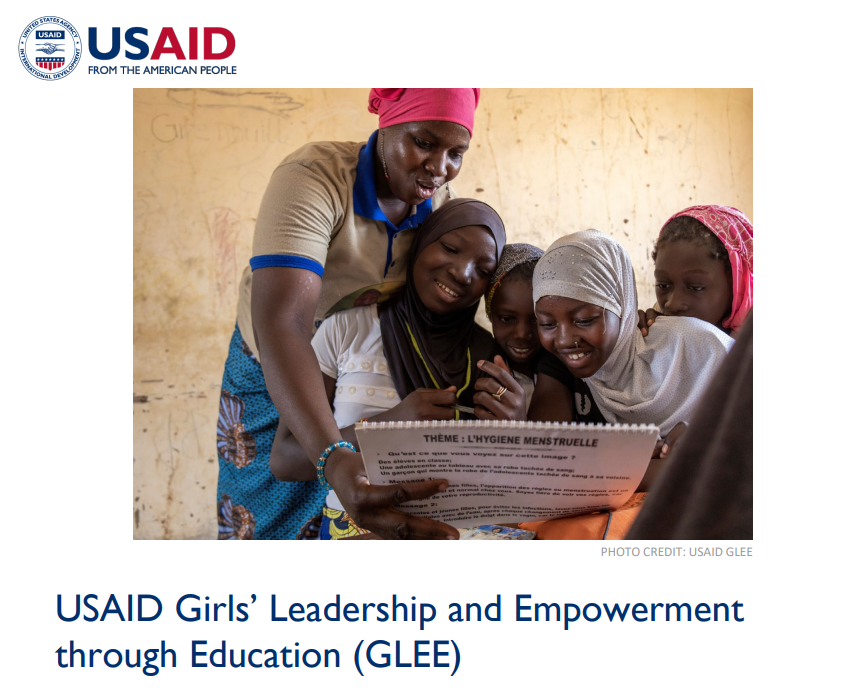
Girls' Leadership and Empowerment Through Education (GLEE)
In line with USAID’s Education Policy, USAID Girls’ Leadership and Empowerment through Education (GLEE) decreases barriers to quality education in a safe and supportive learning environment for adolescent girls (10-18 years) while increasing the adoption of positive, healthy behaviors. USAID GLEE trains teachers to improve children’s learning, school management committees to improve transparency and accountability, and parents and community members to support girls’ access to learning.
USAID/BHA Emergency Application Guidelines Indicator Handbook
The Indicator Handbook provides the performance indicator reference sheets (PIRS) for BHA emergency indicators. The Handbook provides guidance on applicability criteria for each BHA emergency indicator, and guidance on what you must include in custom indicator PIRSs.
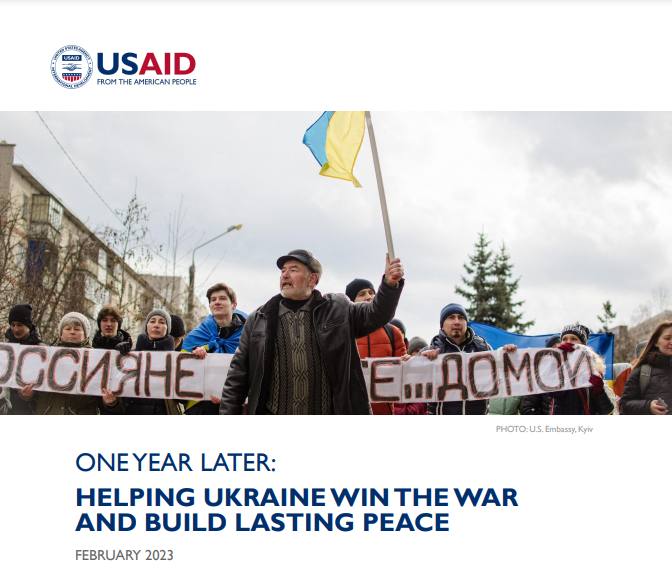
One Year Later: Helping Ukraine Win the War and Build Lasting Peace
To help meet Ukraine’s wartime needs and lay the foundation for a successful recovery, USAID has provided $13 billion in direct budget support, helping the Government of Ukraine (GoU) fund basic public services like healthcare, education, and emergency response; $1.4 billion in humanitarian assistance to save lives and meet the urgent needs of the Ukrainian people; and over $800 million in development assistance to bolster Ukraine’s energy grid, governance institutions, agriculture, small businesses, and civil society in wartime, while also remaining focused on what will be needed for recovery and reconstruction.
Improving Food Security in Humanitarian Emergencies: An evidence gap map
This report presents the findings of a systematic search to identify and map the evidence base of impact evaluations and systematic reviews of interventions that aim to improve food security during humanitarian crises.
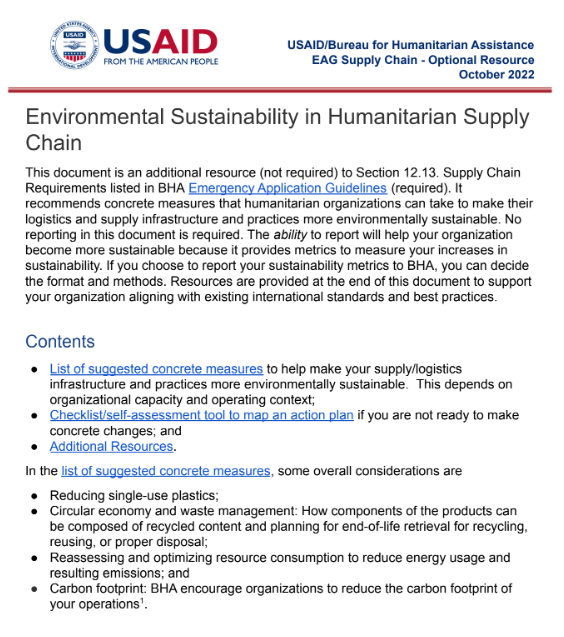
Environmental Sustainability in Humanitarian Supply Chain
This document is an additional resource to Section 12.13. Supply Chain Requirements listed in BHA Emergency Application Guidelines.