
-
Article
Brief
Meeting Notes
Presentation
Poster
Report
Toolkit
Video
Webinar
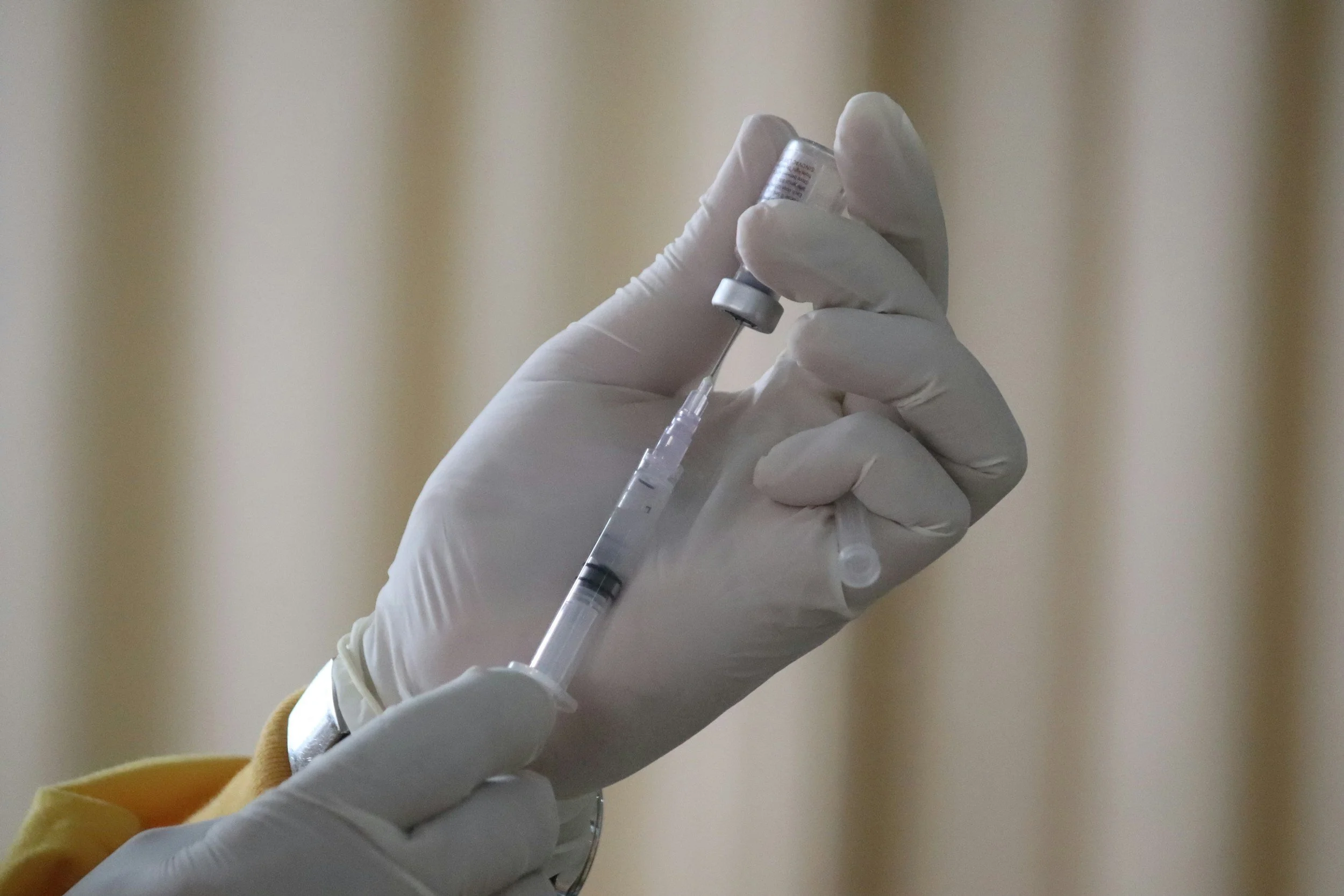
President’s Malaria Initiative: Country Malaria Operational Plans FY 2023
The President’s Malaria Initiative (PMI) is credited with helping to save 11.7 million lives and prevent 2.1 billion malaria cases since 2000. Indeed, since 2006, in countries where PMI works, global efforts have supported a 29% decrease in malaria case rates and a 48% decline in deaths. The introduction of a new malaria vaccine in 2021 has increased optimism in the potential to further strengthen global malaria control.
U.S. Government Global Water Strategy 2022-2027
The global water crisis continues to threaten United States (U.S.) national security and prosperity. Water insecurity endangers public health and food security and undermines economic growth. It also deepens inequalities and increases the likelihood of conflict and state failure.
Environmental Sustainability in Humanitarian Supply Chain
This document is an additional resource to Section 12.13. Supply Chain Requirements listed in BHA Emergency Application Guidelines.
U.S. Dept. of State and USAID Joint Strategy FY 2022 - 2026
“These steps will help us build a more inclusive Agency, one that is more diverse and willing to engage with new partners, more equitable in its impact, and more responsive to local voices. USAID’s legacy as the world’s leading bilateral development institution has always been an asset to the American people and a means for securing stability, security, and prosperity, both at home and abroad. This Joint Strategic Plan acknowledges and draws strength from this heritage to take on the challenges of today and prepare for those that will come tomorrow.”
Unlocking Finance for the Private Health Sector
This brief provides USAID missions and implementing partners with an overview of the challenges around the private health sector accessing finance, definitions of blended and innovative financing, information on the US International Development Finance Corporation, illustrative examples of innovative financing, and case studies on health from multiple regions.
Bureau for Resilience and Food Security Digital Strategy Action Plan
To work toward this vision, RFS aims to use digital technologies effectively to create more inclusive, efficient, prosperous, healthy, and connected agriculture, food, and water systems today — and more climate-smart and resilient agriculture, food, and water systems for tomorrow that sustainably support the health, well-being, and livelihoods of our target populations.
U.S. Government Global Food Security Strategy
The updated Global Food Security Strategy is our roadmap to that better future. It charts an ambitious course to reduce global poverty, hunger, and malnutrition in the face of COVID-19, climate change, growing conflict, and rising inequality through Feed the Future, the U.S. government’s (USG) global hunger and food-security initiative. It brings America’s full strength to bear on these challenges by drawing on the expertise of agencies across the U.S. government. Through this strategy, we aim to contribute toward a 20% reduction in poverty and stunting in the areas where we work between 2022-2026 by partnering with foreign governments, the private sector, and our colleagues across the interagency.
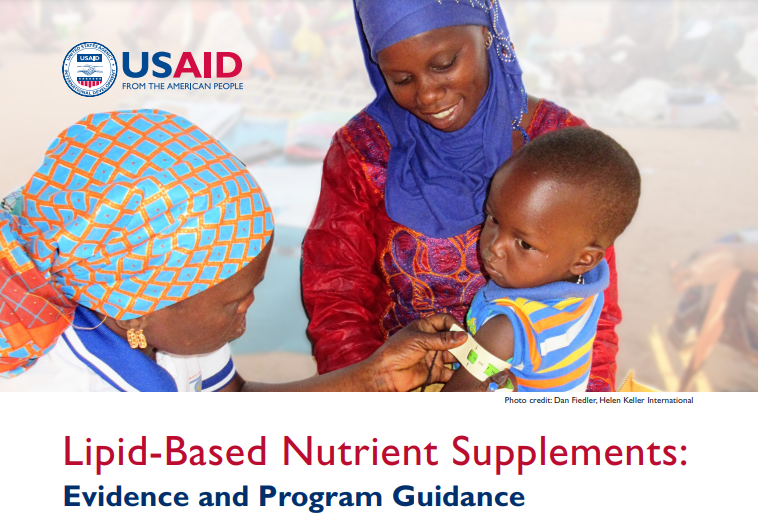
Lipid-Based Nutrient Supplements: Evidence and Program Guidance
This technical brief provides information for designing small- and medium-quantity lipid-based nutrient supplement (LNS-SQ and LNS-MQ) programs that promote improved nutritional status of women and young children in resource-limited settings. The following sections feature an overview of recent evidence, considerations for program design, and details of ways that LNS can complement or enhance a wide range of community health and development programs.

Use of Containers for Temporary Emergency Storage (English, French, Portuguese & Spanish)
During emergencies, backloading multiple months of medicines and other public health commodities as close to patients as possible can minimize supply chain disruption and maintain patient access.
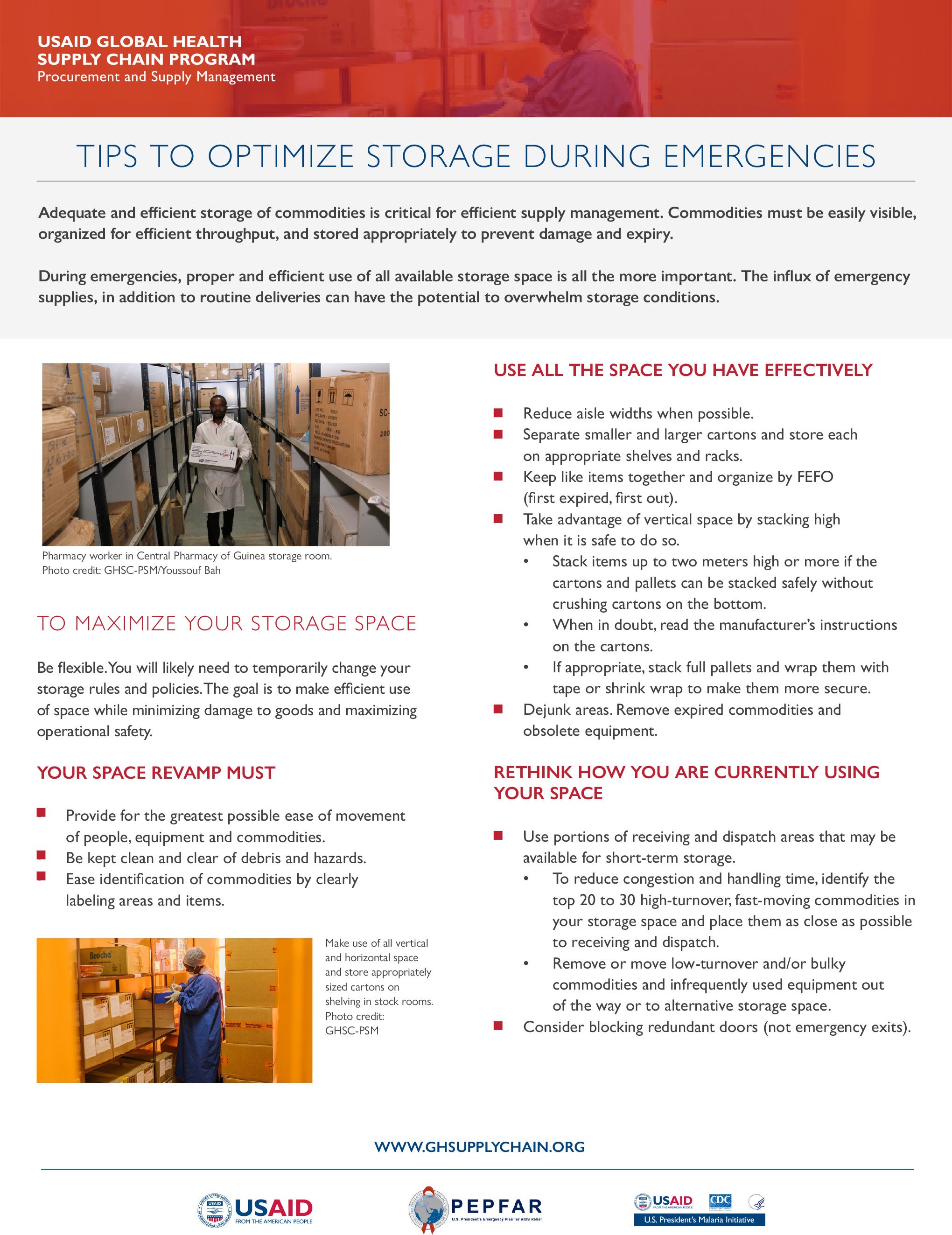
Tips to Optimize Storage During Emergencies (English, French, Portuguese & Spanish)
Adequate and efficient storage of commodities is critical for efficient supply management. Commodities must be easily visible, organized for efficient throughput, and stored appropriately to prevent damage and expiry.
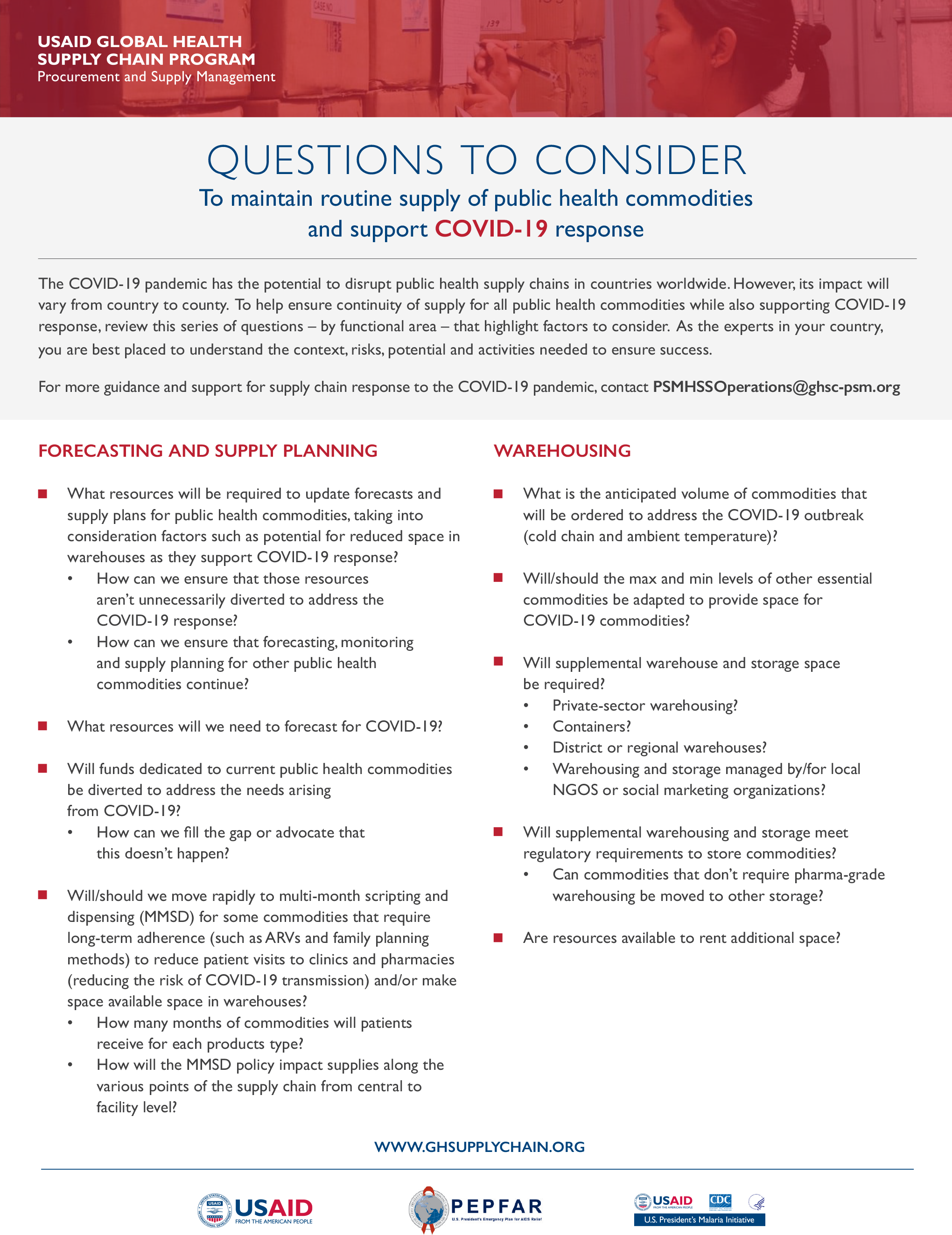
Questions to Consider to Maintain Routine Supply of Public Health Commodities and Support COVID-19 Response
To help ensure continuity of supply for all public health commodities while also supporting COVID-19 response, review this series of questions – by functional area – that highlight factors to consider.
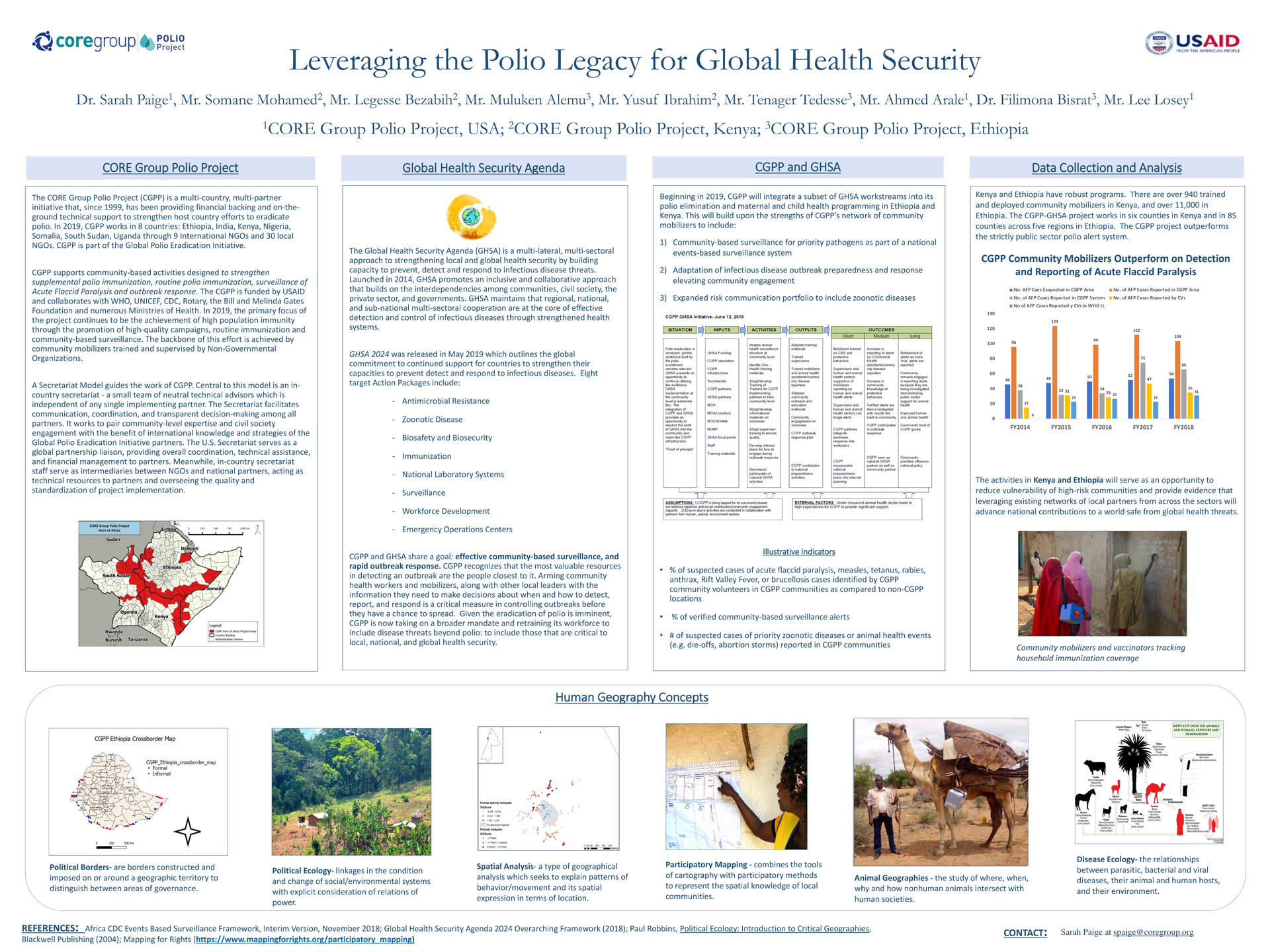
Leveraging the Polio Legacy for Global Health Security
Kenya and Ethiopia have robust programs. The CGPP-GHSA project works in six counties in Kenya and in 85 counties across five regions in Ethiopia. The CGPP project outperforms the strictly public sector polio alert system.
Updated Program Functionality Matrix for Optimizing Community Health Programs
The USAID Health Care Improvement (HCI) Project developed the CHW AIM Toolkit in 2011 to help organizations assess community health program functionality and improve program performance. As with the original AIM tool, this updated version is intended to capacitate the processes of programmatic design, planning, assessment, and improvement, for stakeholders ranging from local NGOs, to national policymakers and planners, to global stakeholders.
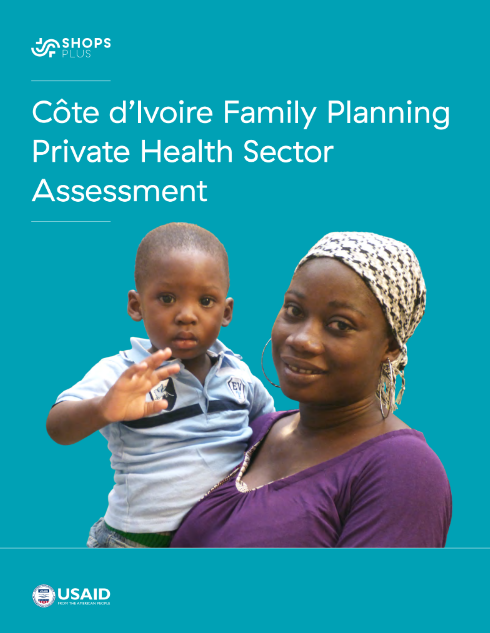
Côte d’Ivoire Family Planning Private Health Sector Assessment (English & French)
The SHOPS Plus project, in collaboration with USAID/Côte d’Ivoire, conducted an assessment of the family planning market and provided targeted recommendations to empower stakeholders to sustainably engage the private sector and help Côte d’Ivoire achieve its Family Planning 2020 targets. This brief highlights key findings and recommendations from the full assessment report.
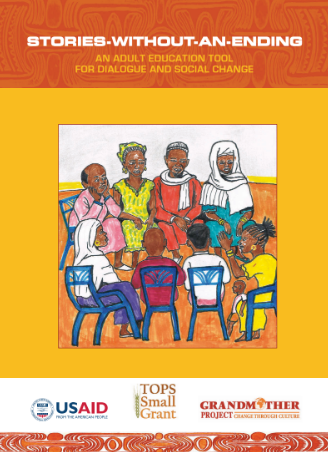
Stories Without an Ending: An Adult Education Tool for Dialogue and Social Change (English & French)
The purpose of this guide is to help organizations involved in community programs to develop and use SWE. This innovative adult education tool can be used to actively engage community groups in discussion of issues of priority concern to them and/or to development programs and to catalyze discussion of those issues in the wider community.
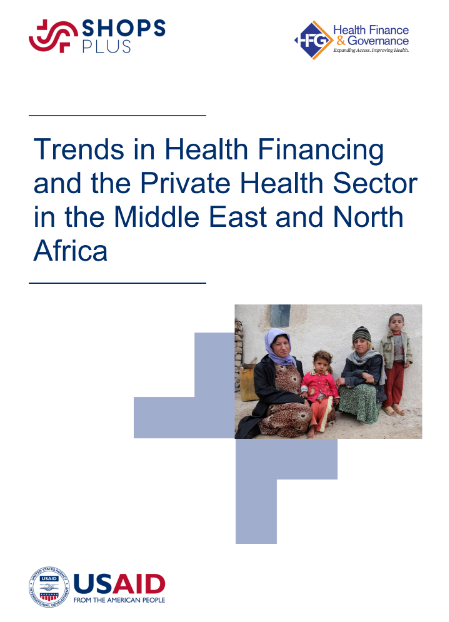
Trends in Health Financing and the Private Health Sector in the Middle East and North Africa
To understand current health financing policies and mechanisms, as well as the current role of the private sector in the health systems of the Middle East, the USAID Middle East Regional Bureau commissioned the Sustaining Health Outcomes through the Private Sector (SHOPS) Plus and Health Finance and Governance (HFG) projects to conduct a review of health financing and the private health sector in the 11 low- and middle-income countries in the region, focusing on the years 2008 to 2017.
Emergency Supply Chain Playbook: Preparedness Overview Guide
To provide sponsors, senior leadership, and interested partners with an introduction to emergency supply chain preparedness as it is covered in the Playbook.
Emergency Supply Chain Playbook: Response Quick Guide
This guide covers an action checklist for: Governance and Organization; Triggers; Financing; Data Visibility; Commodity Forecasting; Procurement and Sourcing; Stockpiling; Warehousing and Storage; and Transport and Waste Management.
Tanzania Private Health Sector Lending
SHOPS Plus is supporting USAID Tanzania’s goals and is helping to address the lack of access to finance by working to strengthen the ability of private health providers to access and use financing.