
-
Article
Brief
Meeting Notes
Presentation
Poster
Report
Toolkit
Video
Webinar
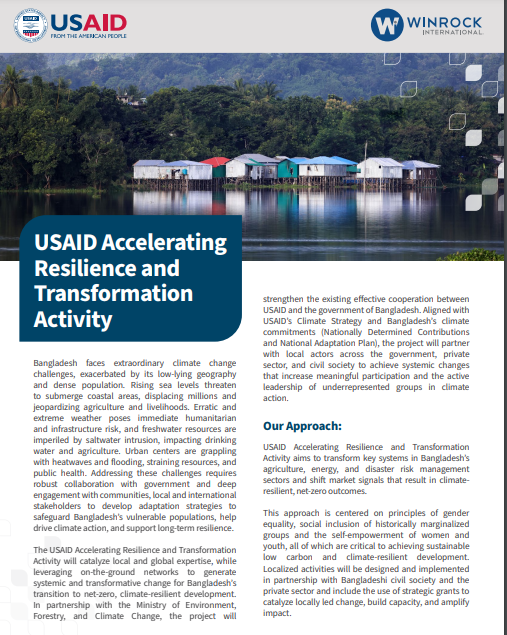
USAID Accelerating Resilience and Transformation Activity — Bangladesh
USAID Accelerating Resilience and Transformation Activity aims to transform key systems in Bangladesh’s agriculture, energy, and disaster risk management sectors and shift market signals that result in climate resilient, net-zero outcomes. This approach is centered on principles of gender equality, social inclusion of historically marginalized groups and the self-empowerment of women and youth, all of which are critical to achieving sustainable low carbon and climate-resilient development. Localized activities will be designed and implemented in partnership with Bangladeshi civil society and the private sector and include the use of strategic grants to catalyze locally led change, build capacity, and amplify impact.
Climate Change Country Profiles 2023-2024
Snapshots of USAID goals, projects and outcomes around the globe
President’s Malaria Initiative: 2024 Country Fact Sheets
The President’s Malaria Initiative (PMI) is credited with helping to save 11.7 million lives and prevent 2.1 billion malaria cases since 2000. Indeed, since 2006, in countries where PMI works, global efforts have supported a 29% decrease in malaria case rates and a 48% decline in deaths. The introduction of two malaria vaccines in 2021 and 2023 has increased optimism in the potential to further strengthen global malaria control.
Do the Impacts of MSD Activities Sustain and Scale After Close?
As part of a series of ex-post studies conducted 3+ years after implementation ended, USAID is building the evidence base for sustainability, scale, and impact on target populations from use of the market systems development (MSD) approach.
Kenya Livestock Markets Activity Sustainability of Outcomes Brief
The Kenya Livestock Market Systems Activity is a United States Agency for International Development (USAID)-funded program that is part of the Feed the Future initiative for addressing poverty, hunger, and malnutrition.
Case Study: Increased Economic Engagement Of Women In Northern Kenya’s Livestock Sector Through Grants
Deeply ingrained gender norms around livestock ownership and management have historically limited women's participation and decision-making in northern Kenya’s livestock sector, which has been traditionally dominated by men,
Case Study: Inclusive Design and Implementation of Grant Portfolio
USAID LMS had a specific objective of promoting gender equity and women's empowerment by supporting vulnerable women and girls in building incomes and social capital to enhance resilience to shocks.
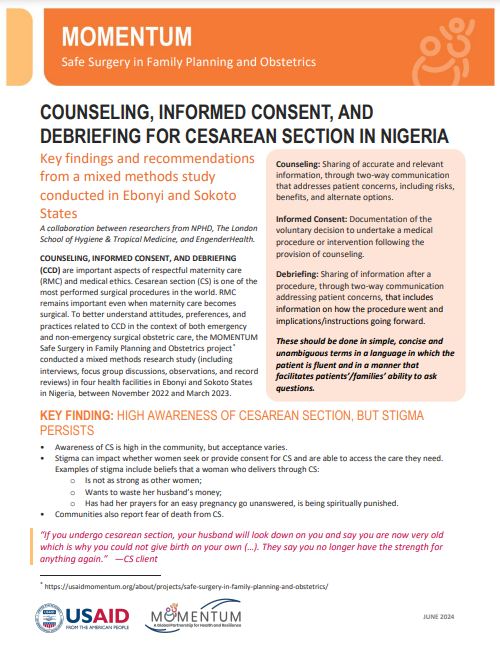
Counseling, Informed Consent, and Debriefing for Cesarean Section in Nigeria
COUNSELING, INFORMED CONSENT, AND DEBRIEFING (CCD) are important aspects of respectful maternity care (RMC) and medical ethics. Cesarean section (CS) is one of the most performed surgical procedures in the world. RMC remains important even when maternity care becomes surgical.
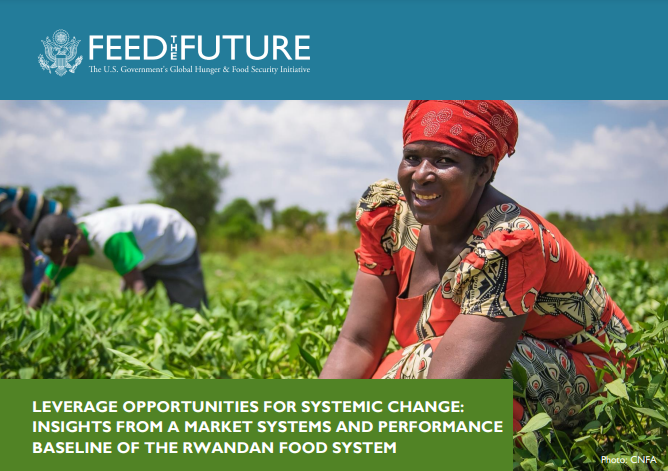
Leveraging Opportunities for Systemic Change
This brief presents baseline learnings to inform stakeholders and activities striving towards more inclusive and equitable agricultural market systems.
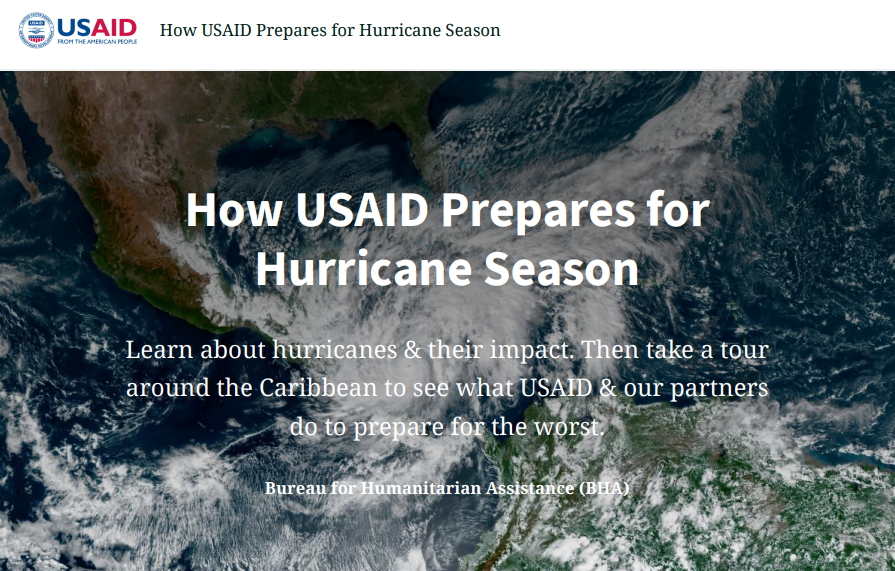
How USAID Prepares for Hurricane Season
Just one major hurricane can be devastating. That’s why USAID – through its Bureau for Humanitarian Assistance – prepares year-round to help communities in Latin America and the Caribbean prepare for the Atlantic hurricane season.
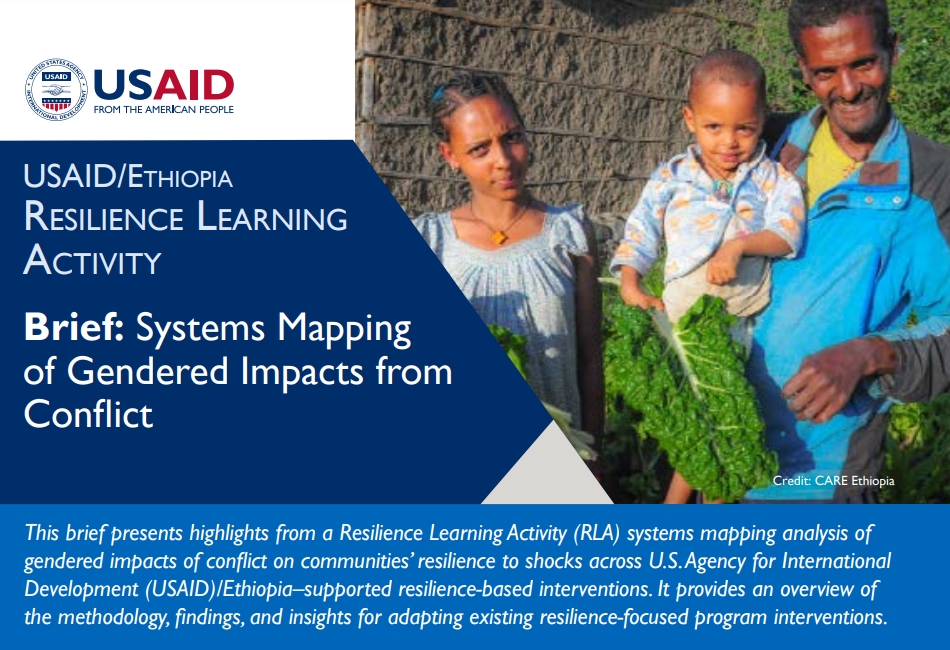
Systems Mapping of Gendered Impacts from Conflict (Ethiopia)
This brief presents highlights from a Resilience Learning Activity (RLA) systems mapping analysis of gendered impacts of conflict on communities’ resilience to shocks across U.S. Agency for International Development (USAID)/Ethiopia–supported resilience-based interventions. It provides an overview of the methodology, findings, and insights for adapting existing resilience-focused program interventions.
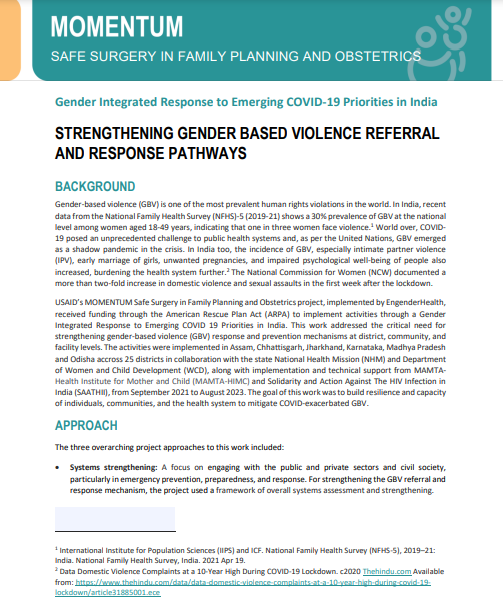
Gender Integrated Response to Emerging COVID-19 Priorities in India
This work addressed the critical need for strengthening gender-based violence (GBV) response and prevention mechanisms at district, community, and facility levels.

USAID Climate Ready: Adaptation and Finance for Impact
Following COP21 in December 2015—which also brought about the Paris Agreement— Conference attendees committed to addressing climate change using substantial financing through international donors and funds. As part of this movement, the USAID launched the USAID Climate Ready Project.
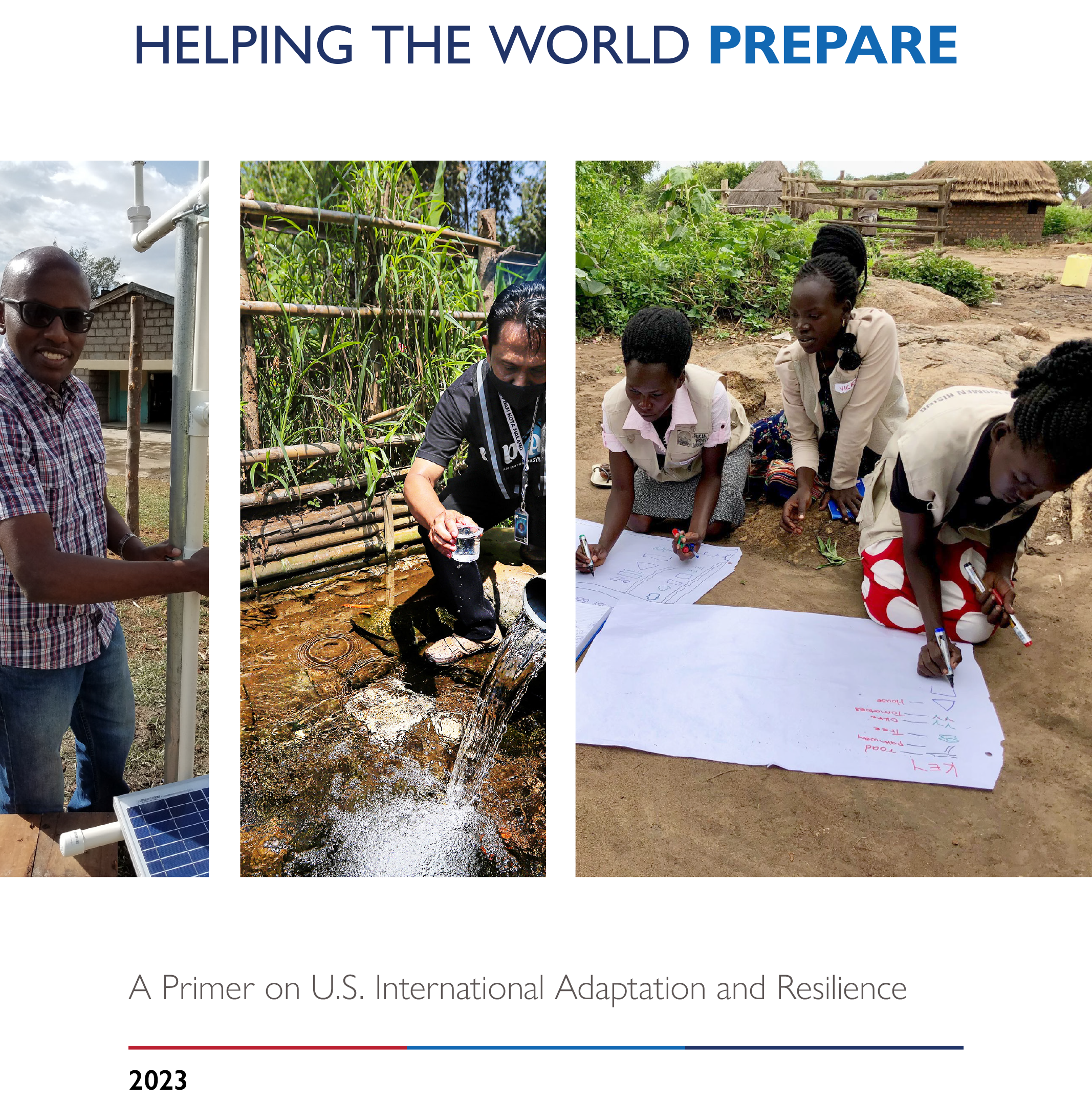
Helping the World Prepare: A Primer on U.S. International Adaptation and Resilience
The climate crisis is existential, and the impacts of climate change that are being felt around the world threaten to undermine development gains, exacerbate geopolitical tensions, accelerate the food security crisis, and result in greater instability and humanitarian need.
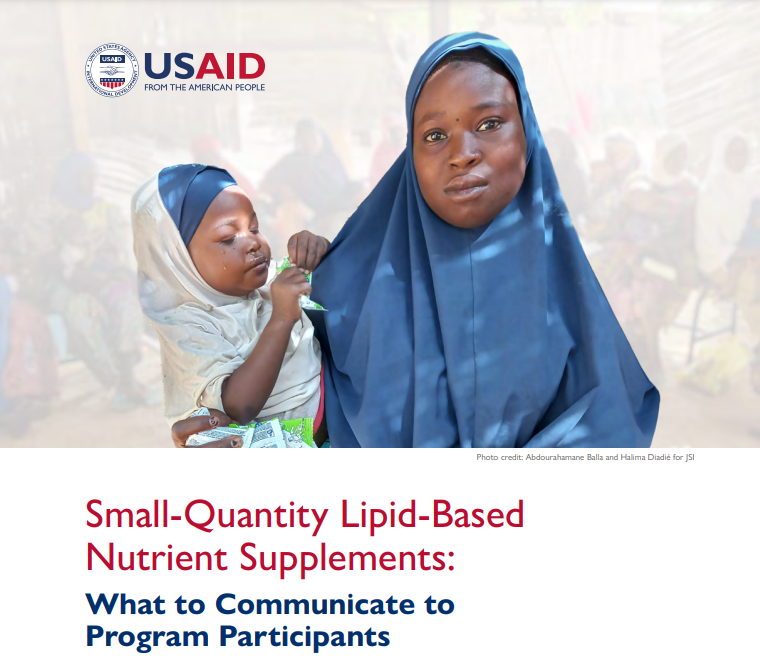
Small-Quantity Lipid-Based Nutrient Supplements: What to Communicate to Program Participants (English & French)
This brief was developed for the U.S. Agency for International Development (USAID) Bureau for Humanitarian Assistance-managed International Food Relief Partnership. The small-quantity lipid-based nutrient supplements (SQ-LNS) described in this document are intended for children 6–24 months, pregnant women, and breastfeeding women whose diets are nutritionally suboptimal and/or insufficient.
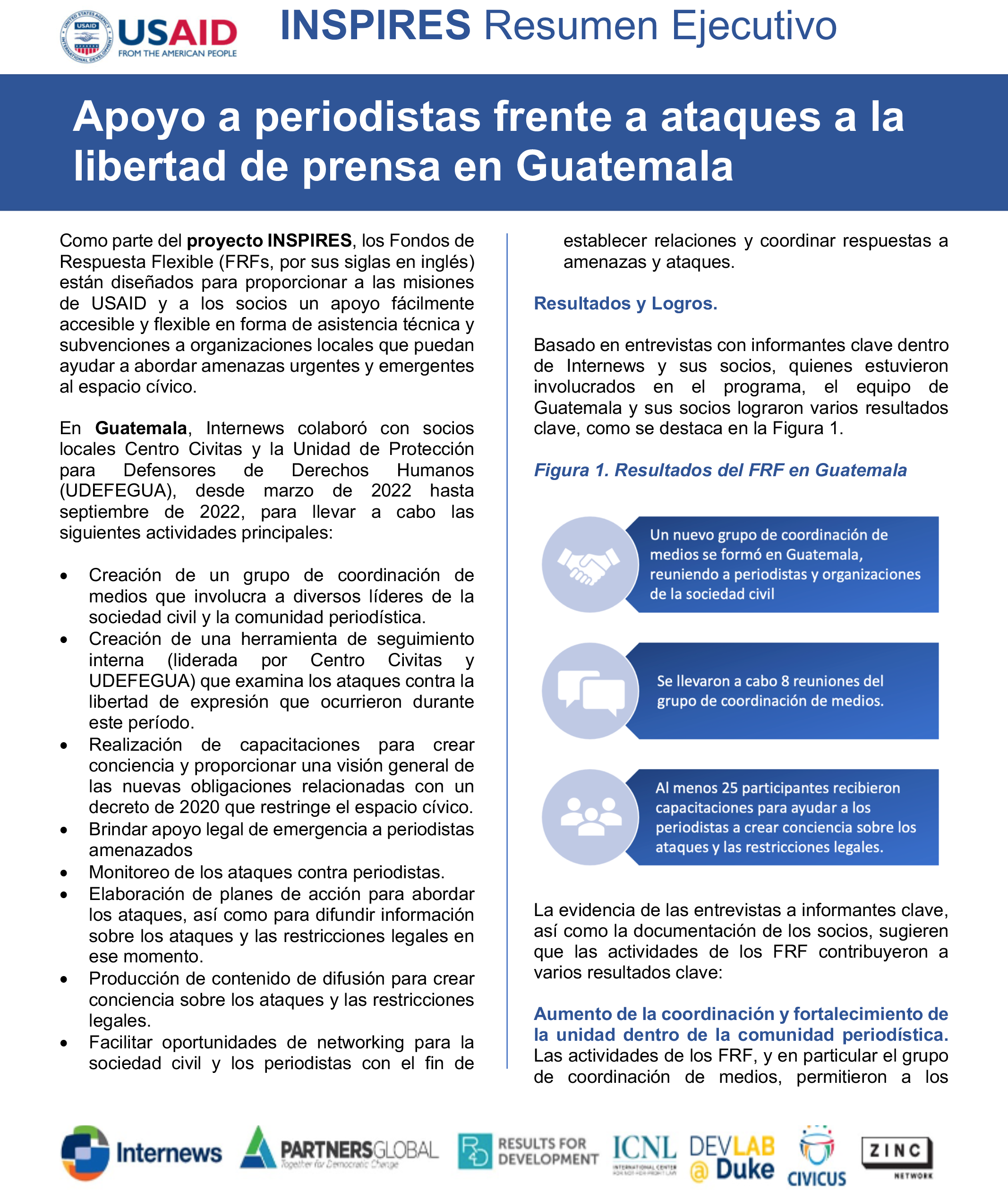
Apoyo a periodistas frente a ataques a la libertad de prensa en Guatemala
En Guatemala, Internews colaboró con socios locales Centro Civitas y la Unidad de Protección para Defensores de Derechos Humanos (UDEFEGUA), desde marzo de 2022 hasta septiembre de 2022, para llevar a cabo las siguientes actividades principales.
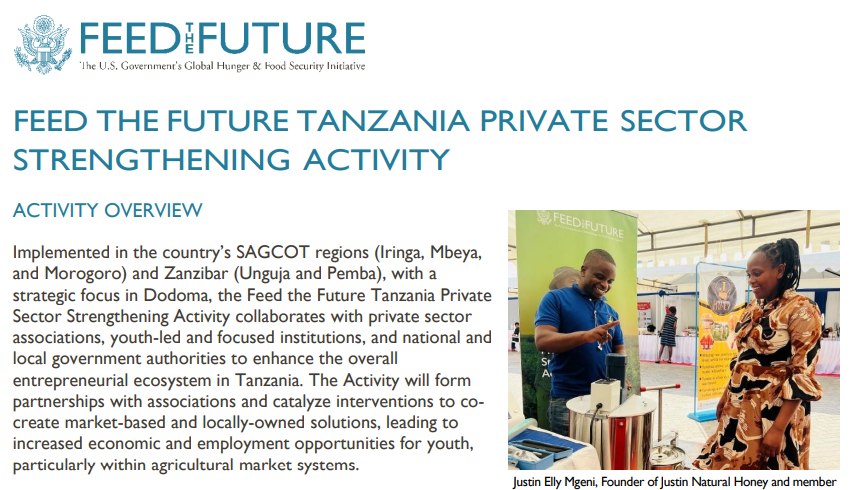
Feed the Future Tanzania Private Sector Strengthening Activity
The Activity will form partnerships with associations and catalyze interventions to cocreate market-based and locally-owned solutions, leading to increased economic and employment opportunities for youth, particularly within agricultural market systems.
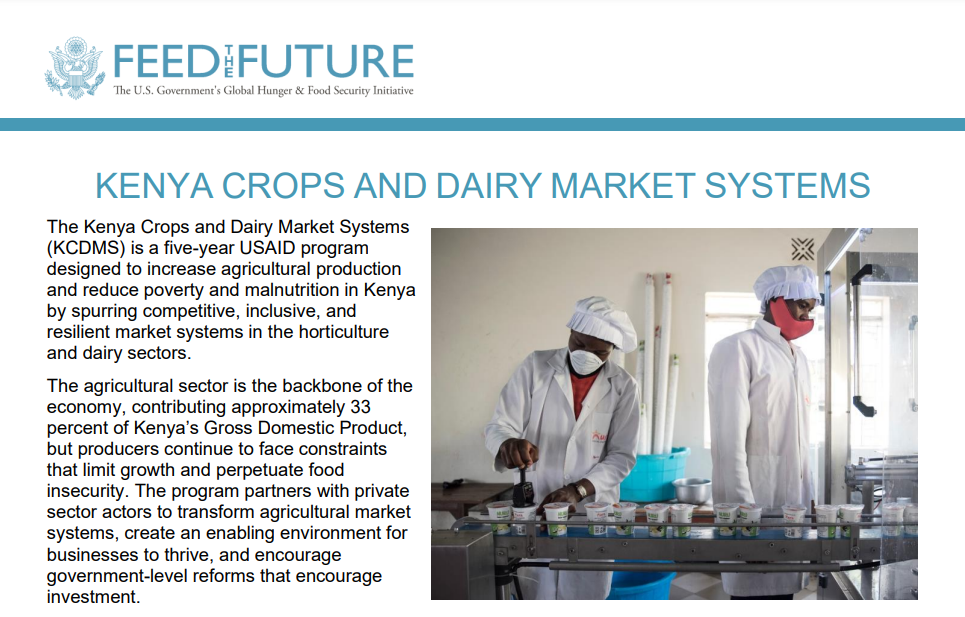
Kenya Crops and Dairy Market Systems
Through a private sector-driven approach, this program uses a variety of incentives, capacity building, and practices to stimulate market players to invest in productivity, financing, and business relationship enhancing improvements. KCDMS also leads interventions to improve nutritional outcomes and strengthen the capacity of county governments to facilitate agricultural sector growth. In turn, these efforts ensure that county and national level policy dialogue is grounded with business association needs and market intelligence, which facilitates a more inclusive business and investment enabling environment at all stages of target value chains. KCDMS also facilitates market linkages in domestic, regional, and international markets for more competitive value chains. During the COVID-19 pandemic, KCDMS redirected investments to ensure the functioning of local markets, working with agri-businesses to conduct outreach to smallholders through widespread radio messaging to foster continued production and increase access to inputs during the pandemic. In addition, the program worked with key business development services providers to assist farmer cooperatives on business development.
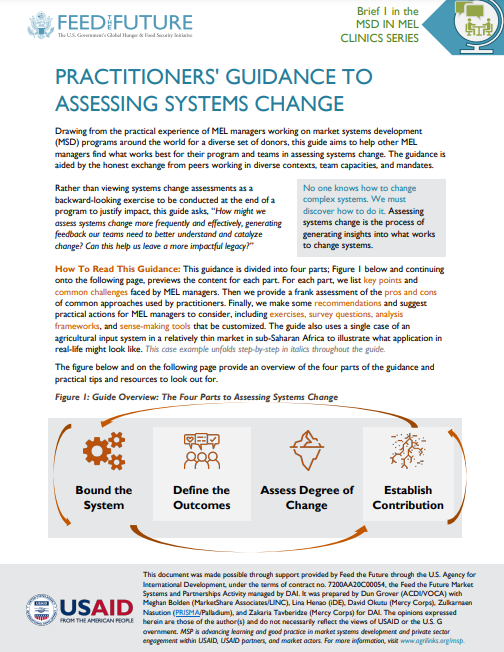
Practitioners’ Guidance to Assessing Systems Change
This guidance focuses on assessing systemic change as an ongoing action done in implementation, as part of a regular monitoring and evaluation system, and not just at the end of the program.
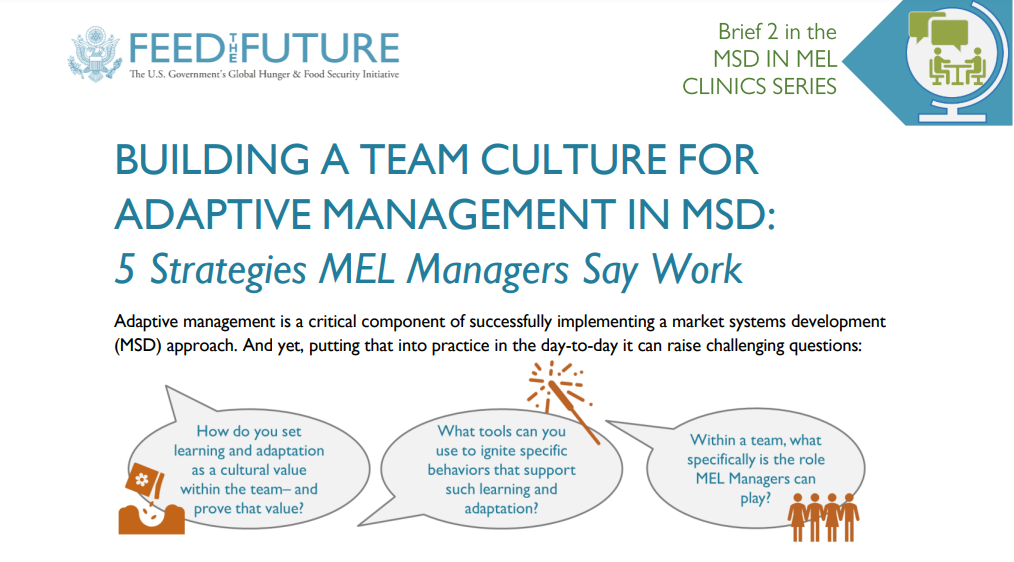
Building a Team Culture for Adaptive Management in MSD: 5 Strategies MEL Managers Say Work
Adaptive management is a critical component of successfully implementing a market systems development (MSD) approach. And yet, putting that into practice in the day-to-day it can raise challenging questions. To tackle these challenges, four senior Monitoring, Evaluation, and Learning (MEL) Managers came together to exchange experiences.