
-
Article
Brief
Meeting Notes
Presentation
Poster
Report
Toolkit
Video
Webinar
New Measures of Success for Climate Adaptation and Resilience
Today there is no alignment among investors, governments, donors, and other stakeholders on how to quantify the benefits of A&R investments. This is holding back much-needed private-sector investment and limiting progress on the implementation of national climate plans. Today there is no alignment among investors, governments, donors, and other stakeholders on how to quantify the benefits of A&R investments. This is holding back much-needed private-sector investment and limiting progress on the implementation of national climate plans.
Carbon Finance Playbook
Demystifying the capital raising process for Nature-based Carbon Projects in Emerging Markets
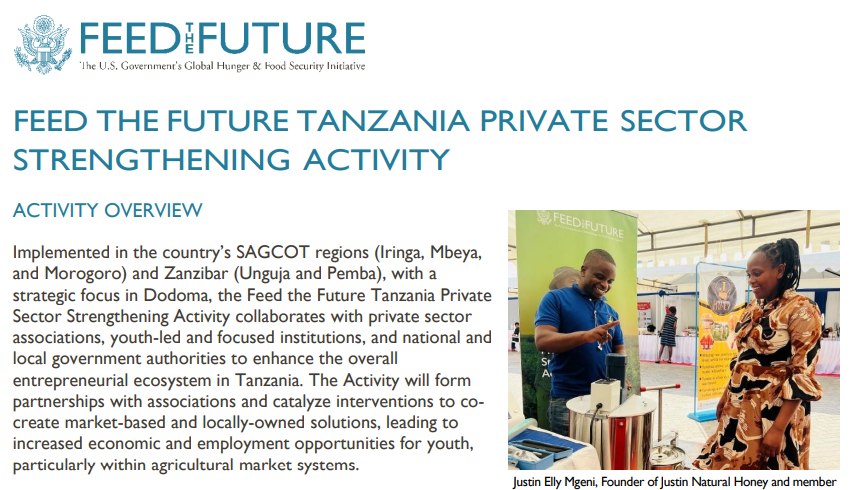
Feed the Future Tanzania Private Sector Strengthening Activity
The Activity will form partnerships with associations and catalyze interventions to cocreate market-based and locally-owned solutions, leading to increased economic and employment opportunities for youth, particularly within agricultural market systems.
Family Planning Health: India Market Description
FP Market Description is diagnosis of constraints for effective private sector market participation.
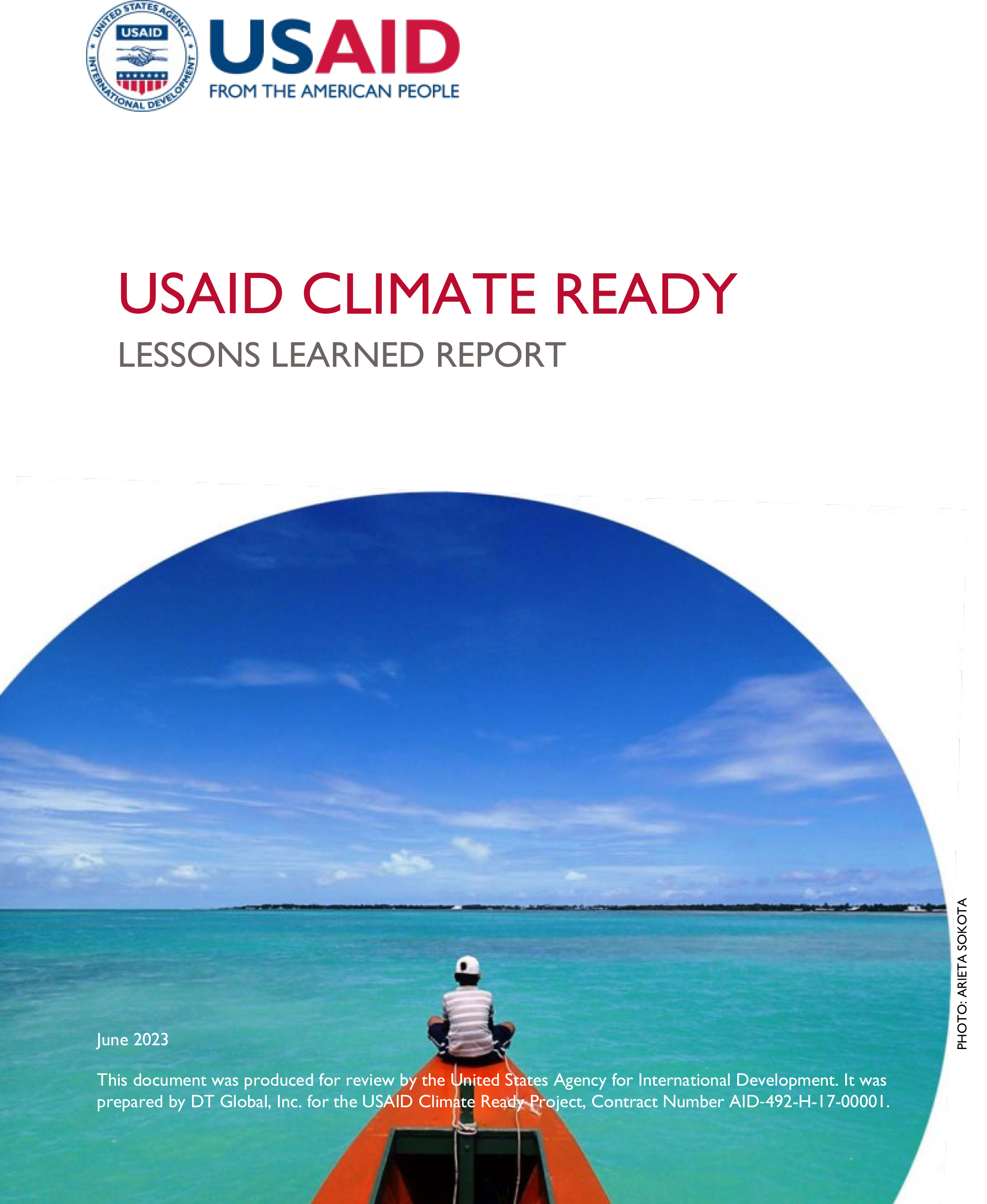
USAID Climate Ready Lessons Learned Report
USAID Climate Ready is focused on achieving its Strategic Objective of capacity of PICs increased to adapt to negative impacts of climate change.
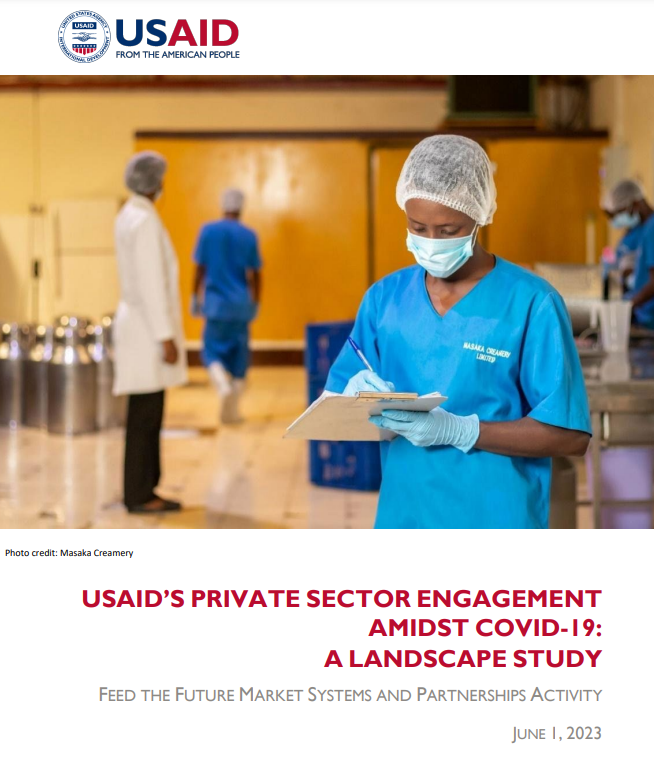
USAID’s Private Sector Engagement Amidst Covid-19: A Landscape Study
In order to better understand how USAID engaged with the private sector to improve firm resilience during the COVID-19 pandemic — and to what extent the agency was successful in doing so — USAID commissioned research through the Private Sector Engagement (PSE) Hub in collaboration with the Bureau of Policy, Planning and Learning’s Office of Learning, Evaluation and Research (PPL/LER), as part of a series of learning activities related to USAID’s COVID-19 Learning Agenda.
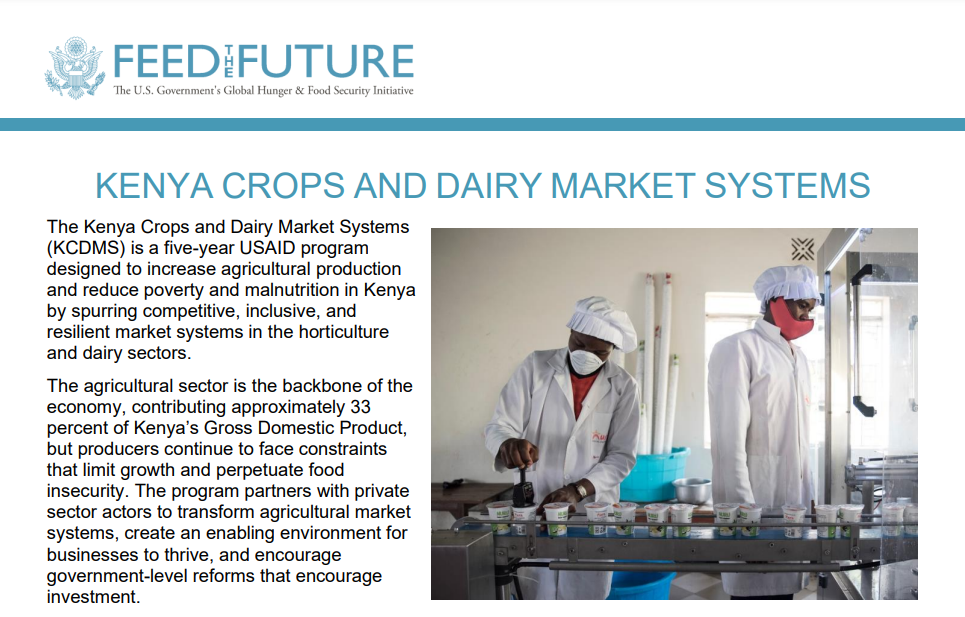
Kenya Crops and Dairy Market Systems
Through a private sector-driven approach, this program uses a variety of incentives, capacity building, and practices to stimulate market players to invest in productivity, financing, and business relationship enhancing improvements. KCDMS also leads interventions to improve nutritional outcomes and strengthen the capacity of county governments to facilitate agricultural sector growth. In turn, these efforts ensure that county and national level policy dialogue is grounded with business association needs and market intelligence, which facilitates a more inclusive business and investment enabling environment at all stages of target value chains. KCDMS also facilitates market linkages in domestic, regional, and international markets for more competitive value chains. During the COVID-19 pandemic, KCDMS redirected investments to ensure the functioning of local markets, working with agri-businesses to conduct outreach to smallholders through widespread radio messaging to foster continued production and increase access to inputs during the pandemic. In addition, the program worked with key business development services providers to assist farmer cooperatives on business development.
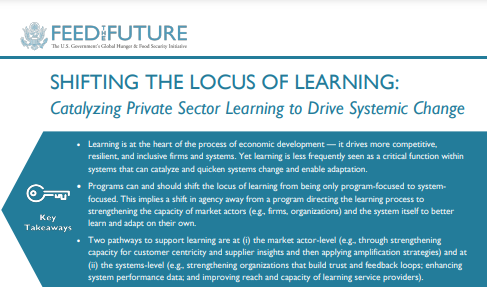
Shifting the Locus of Learning: Catalyzing Private Sector Learning to Drive Systemic Change
This brief makes the case that to stimulate systemic change, economic development programs can and should focus on facilitating stronger learning processes within local actors (e.g., firms, other organizations, government, and civil society) and systems (e.g., sectors, local economy).

USAID Climate Risk Analysis for Pacific Island Countries Assessment Report
Recognizing the risks associated with climate change, several PIC have developed ambitious plans to mitigate greenhouse gas (GHG) emissions and to address adaptation needs.
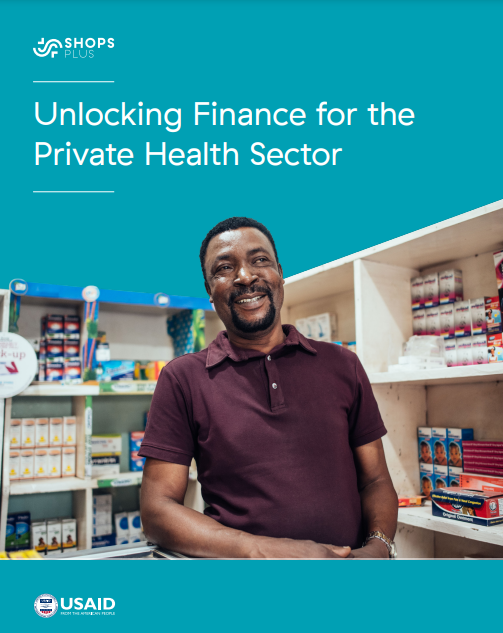
Unlocking Finance for the Private Health Sector
This brief provides USAID missions and implementing partners with an overview of the challenges around the private health sector accessing finance, definitions of blended and innovative financing, information on the US International Development Finance Corporation, illustrative examples of innovative financing, and case studies on health from multiple regions.
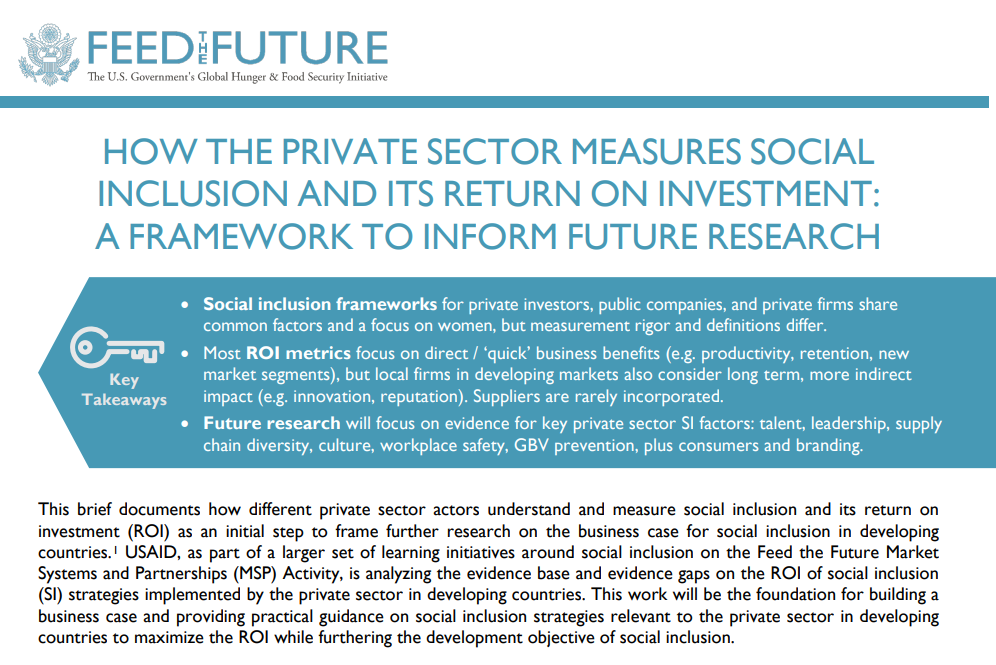
How the Private Sector Measures Social Inclusion and its Return on Investment: A Framework to Inform Future Research
This brief documents how different private sector actors understand and measure social inclusion and its return on investment (ROI) as an initial step to frame further research on the business case for social inclusion in developing countries. This work will be the foundation for building a business case and providing practical guidance on social inclusion strategies relevant to the private sector in developing countries to maximize the ROI while furthering the development objective of social inclusion.
USAID Climate Ready Knowledge Products: Multi-Criteria Analysis Tool
The resultant tool has since been used to assist reviewers to score and prioritize against GCF Investment criteria based on GCF Investment Criteria.
USAID Climate Ready Knowledge Products: Business Continuity Planning Resources
This collection of resources will build your awareness on: The concepts of disaster readiness and business continuity for business; and The key steps for a business to become disaster ready.
Key Lessons From Private Sector Engagement in the USAID Learning Community for Supply Chain Resilience
Any partnership between a company, NGO or research institution can be fraught with misalignment of stated objectives, appetite for risk, and short- versus long-term thinking.
Côte d’Ivoire Family Planning Private Health Sector Assessment (English & French)
The SHOPS Plus project, in collaboration with USAID/Côte d’Ivoire, conducted an assessment of the family planning market and provided targeted recommendations to empower stakeholders to sustainably engage the private sector and help Côte d’Ivoire achieve its Family Planning 2020 targets. This brief highlights key findings and recommendations from the full assessment report.
Trends in Health Financing and the Private Health Sector in the Middle East and North Africa
To understand current health financing policies and mechanisms, as well as the current role of the private sector in the health systems of the Middle East, the USAID Middle East Regional Bureau commissioned the Sustaining Health Outcomes through the Private Sector (SHOPS) Plus and Health Finance and Governance (HFG) projects to conduct a review of health financing and the private health sector in the 11 low- and middle-income countries in the region, focusing on the years 2008 to 2017.
Tanzania Private Health Sector Lending
SHOPS Plus is supporting USAID Tanzania’s goals and is helping to address the lack of access to finance by working to strengthen the ability of private health providers to access and use financing.
Telemed Medical Services
Telemed was founded in 2012. Mission: design and implement systems that allow clients who seek health care in Ethiopia to receive affordable, reliable and immediate healt