
-
Article
Brief
Meeting Notes
Presentation
Poster
Report
Toolkit
Video
Webinar
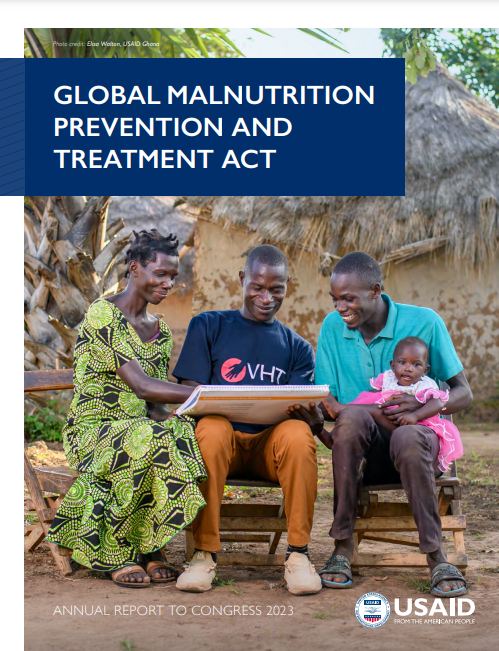
Global Malnutrition Prevention and Treatment Act - Annual Report to Congress 2023
The Global Malnutrition Prevention and Treatment Act (GMPTA) is a pivotal legislative initiative signed into law by President Biden in October 2022. This act charges the United States Agency for International Development (USAID) with combating malnutrition globally. The GMPTA solidifies USAID’s leadership role in nutrition and underscores its commitment to evidence-based interventions within both developmental and humanitarian contexts. By addressing the critical issue of malnutrition through targeted strategies, the GMPTA aims to improve health outcomes, promote economic advancement, and enhance overall human development across nations.
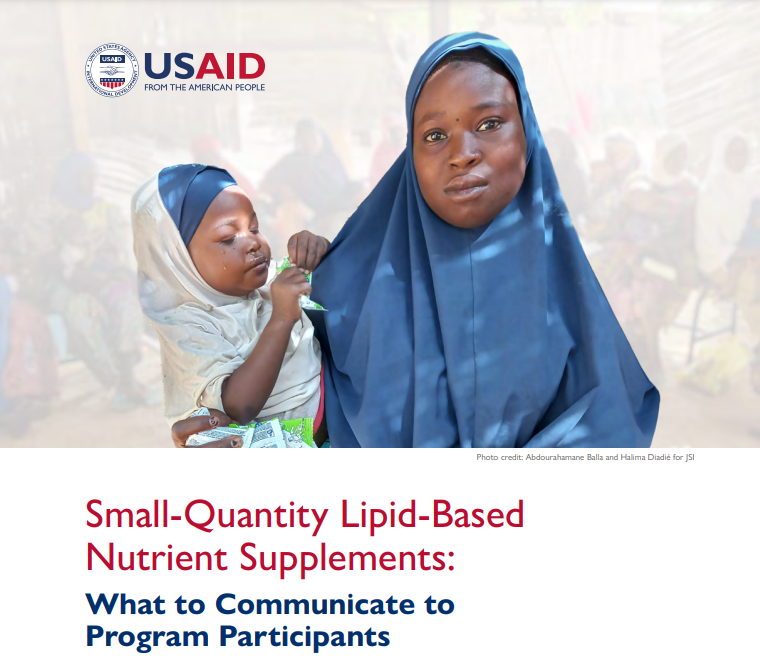
Small-Quantity Lipid-Based Nutrient Supplements: What to Communicate to Program Participants (English & French)
This brief was developed for the U.S. Agency for International Development (USAID) Bureau for Humanitarian Assistance-managed International Food Relief Partnership. The small-quantity lipid-based nutrient supplements (SQ-LNS) described in this document are intended for children 6–24 months, pregnant women, and breastfeeding women whose diets are nutritionally suboptimal and/or insufficient.
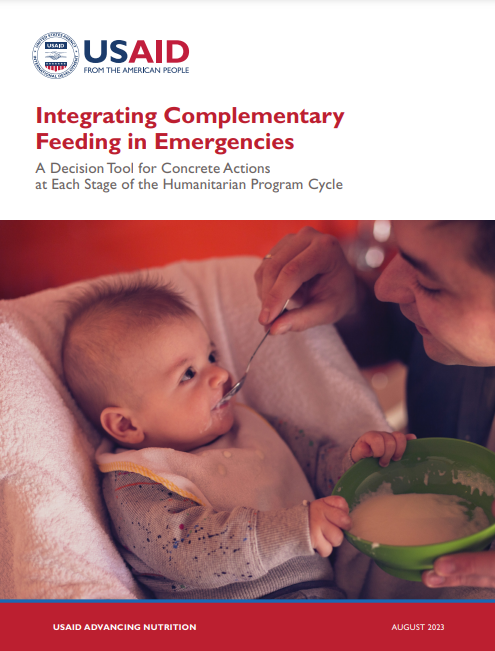
Integrating Complementary Feeding in Emergencies
This decision tool is intended for those involved in the design, planning, implementation, and monitoring of a nutrition humanitarian response before and during an emergency. It aims to guide technical advisors and managers working on a humanitarian response to design and incorporate complementary feeding actions, whether they are implemented by individual organizations and/or by joint multi-agency humanitarian responses, for children 6–23 months of age, regardless of their breastfeeding status, at each stage of the humanitarian program cycle.
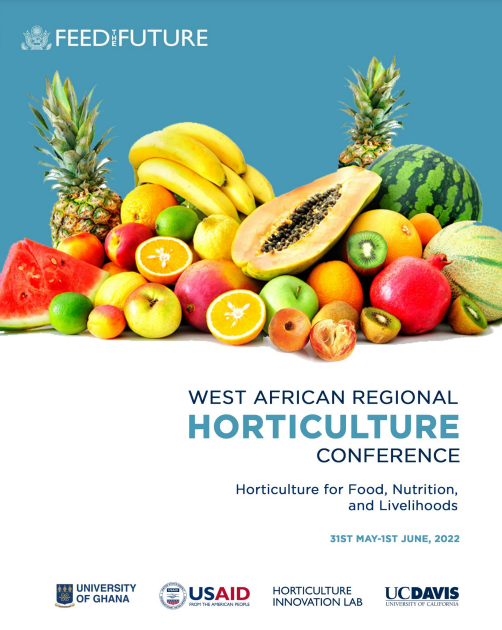
West African Regional Horticulture Conference: Horticulture for Food, Nutrition, and Livelihoods
The West Africa horticulture conference was organized together with local horticulture experts and other stakeholders to identify on-the-ground challenges and opportunities in the sector. This is to inform specific capacity development activities for stakeholders, including industry experts and leaders. This is also to encourage local engagement and ownership, influencing the sustainability of this work to continue beyond the Horticulture Innovation Lab’s involvement. Thus, contributing to inclusive economic growth and a more resilient system led by the regional experts.
U.S. Dept. of State and USAID Joint Strategy FY 2022 - 2026
“These steps will help us build a more inclusive Agency, one that is more diverse and willing to engage with new partners, more equitable in its impact, and more responsive to local voices. USAID’s legacy as the world’s leading bilateral development institution has always been an asset to the American people and a means for securing stability, security, and prosperity, both at home and abroad. This Joint Strategic Plan acknowledges and draws strength from this heritage to take on the challenges of today and prepare for those that will come tomorrow.”
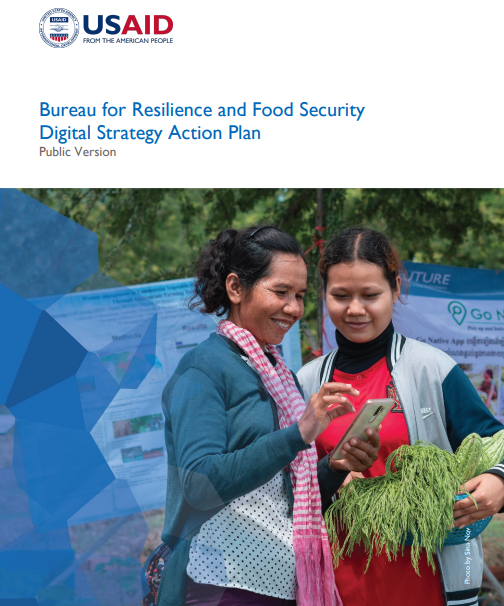
Bureau for Resilience and Food Security Digital Strategy Action Plan
To work toward this vision, RFS aims to use digital technologies effectively to create more inclusive, efficient, prosperous, healthy, and connected agriculture, food, and water systems today — and more climate-smart and resilient agriculture, food, and water systems for tomorrow that sustainably support the health, well-being, and livelihoods of our target populations.
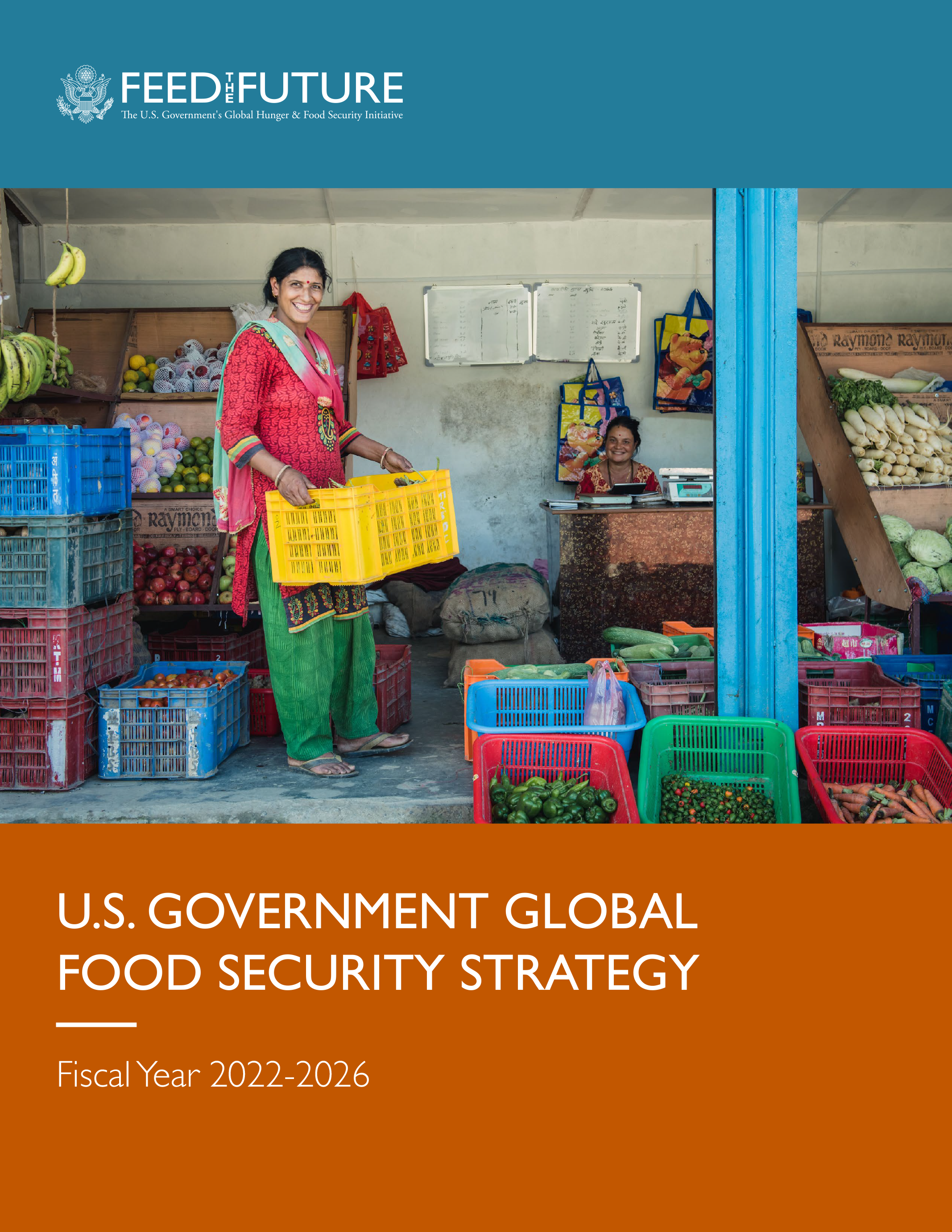
U.S. Government Global Food Security Strategy
The updated Global Food Security Strategy is our roadmap to that better future. It charts an ambitious course to reduce global poverty, hunger, and malnutrition in the face of COVID-19, climate change, growing conflict, and rising inequality through Feed the Future, the U.S. government’s (USG) global hunger and food-security initiative. It brings America’s full strength to bear on these challenges by drawing on the expertise of agencies across the U.S. government. Through this strategy, we aim to contribute toward a 20% reduction in poverty and stunting in the areas where we work between 2022-2026 by partnering with foreign governments, the private sector, and our colleagues across the interagency.
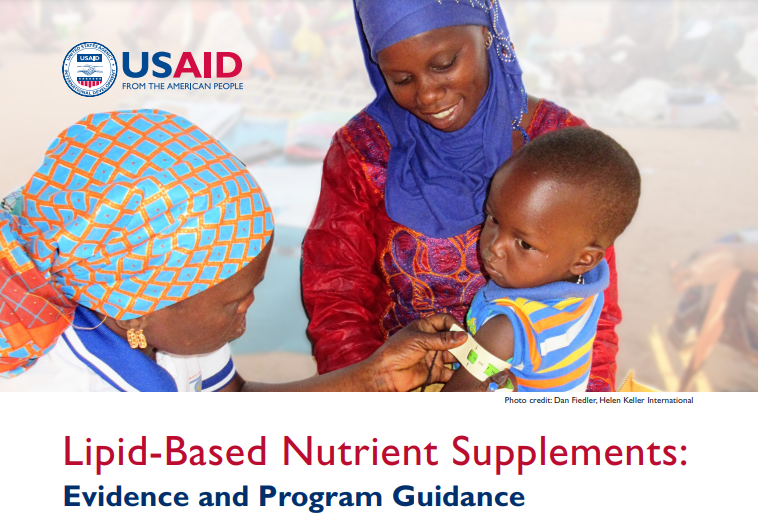
Lipid-Based Nutrient Supplements: Evidence and Program Guidance
This technical brief provides information for designing small- and medium-quantity lipid-based nutrient supplement (LNS-SQ and LNS-MQ) programs that promote improved nutritional status of women and young children in resource-limited settings. The following sections feature an overview of recent evidence, considerations for program design, and details of ways that LNS can complement or enhance a wide range of community health and development programs.

Increasing the Use of ORS and Zinc through the Private Sector
In April 2011, USAID Kenya invited SHOPS to conduct a Total Market Assessment of diarrhea management practices. The assessment focused on identifying opportunities available through the private health sector, to increase access to and use of the recommended diarrhea treatment (ORS and zinc) by caregivers of children under 5.
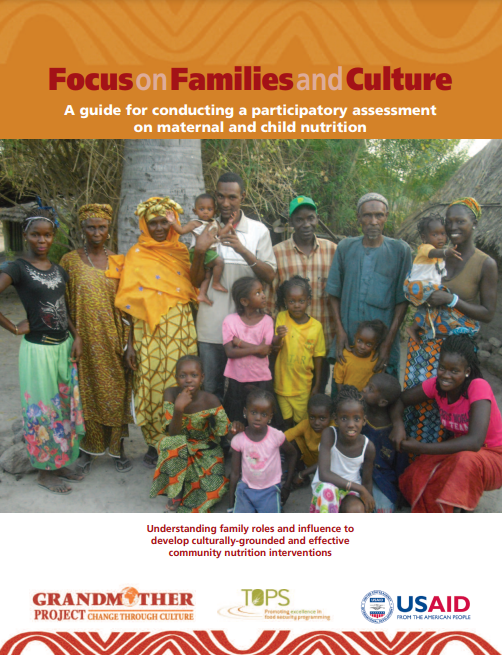
Focus on Families and Culture: A guide for conducting a participatory assessment on maternal and child nutrition (English & French)
The purpose of this document is to provide guidance on how to plan and carry out a rapid community assessment on family roles and influence related to the first critical 1,000 days of life i.e. during pregnancy, with newborns and young children up to two years of age.
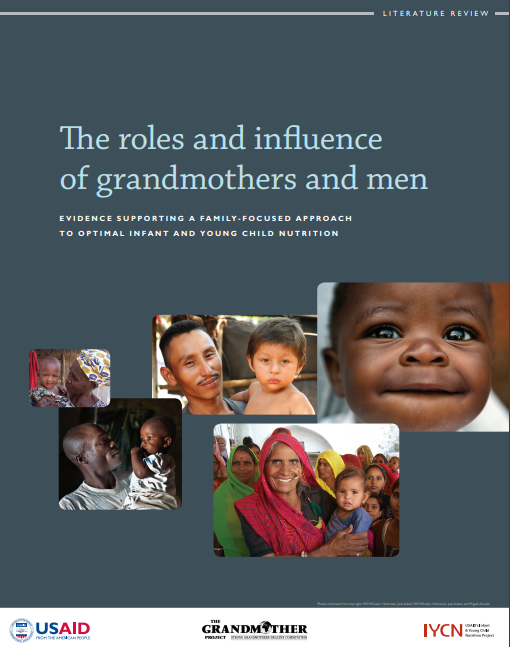
The Roles and Influence of Grandmothers and Men
This report reviews both published and gray literature from the past 25 years that addresses intrahousehold roles and dynamics related to infant and young child nutrition—specifically the roles and influence of senior women, or grandmothers, and men.
Toolkit for the Collection of Survey Data on the Correct Use of Pediatric Zinc as a Treatment for Diarrhea
Approximately 1.3 million children die as a result of diarrhea every year . In the majority of cases, diarrhea is preventable through exclusive breastfeeding, improved hygiene and sanitation, and access to clean water, yet it is still one of the leading causes of death among children under five in the developing world.