
-
Article
Brief
Meeting Notes
Presentation
Poster
Report
Toolkit
Video
Webinar
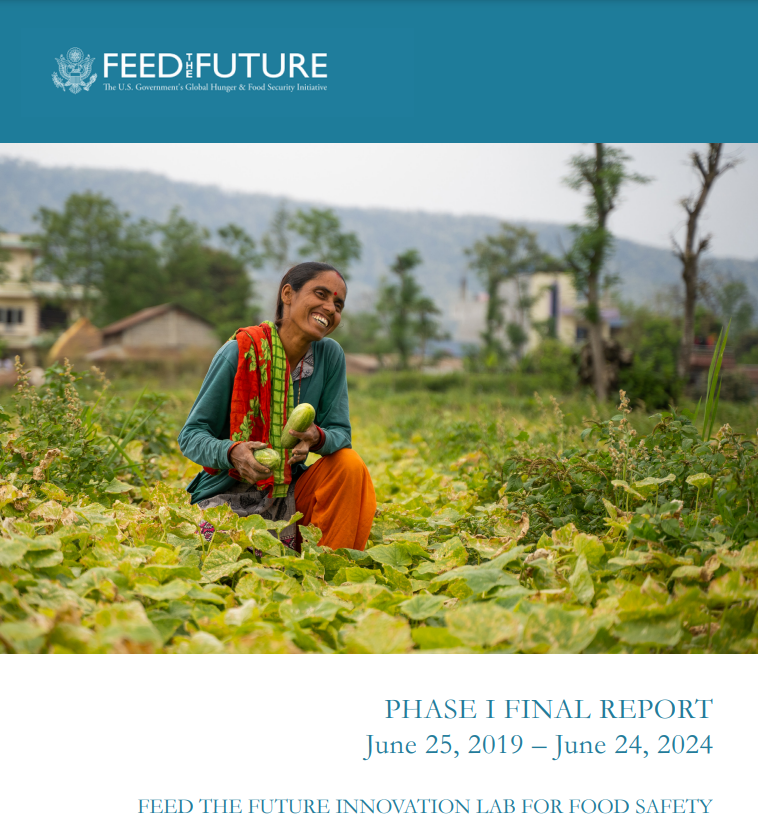
Phase I Final Report June 25, 2019 – June 24, 2024: Feed the Future Innovation Lab for Food Safety
This report presents progress over the first five-year phase of the Feed the Future Innovation Lab for Food Safety (June 25, 2019 – June 24, 2024). The Food Safety Innovation Lab (FSIL), managed by Purdue and Cornell Universities, has leveraged global food safety expertise in locally-led projects that address the root causes of foodborne illness. Phase I FSIL projects were designed to create systemic change to strengthen household and community nutrition, food security, and economic opportunity by identifying food safety knowledge gaps, supporting data-driven food safety practices and policies, and strengthening local food safety capacity.
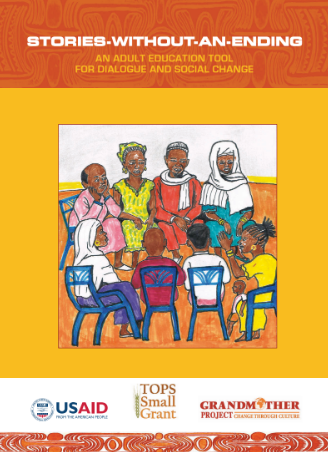
Stories Without an Ending: An Adult Education Tool for Dialogue and Social Change (English & French)
The purpose of this guide is to help organizations involved in community programs to develop and use SWE. This innovative adult education tool can be used to actively engage community groups in discussion of issues of priority concern to them and/or to development programs and to catalyze discussion of those issues in the wider community.
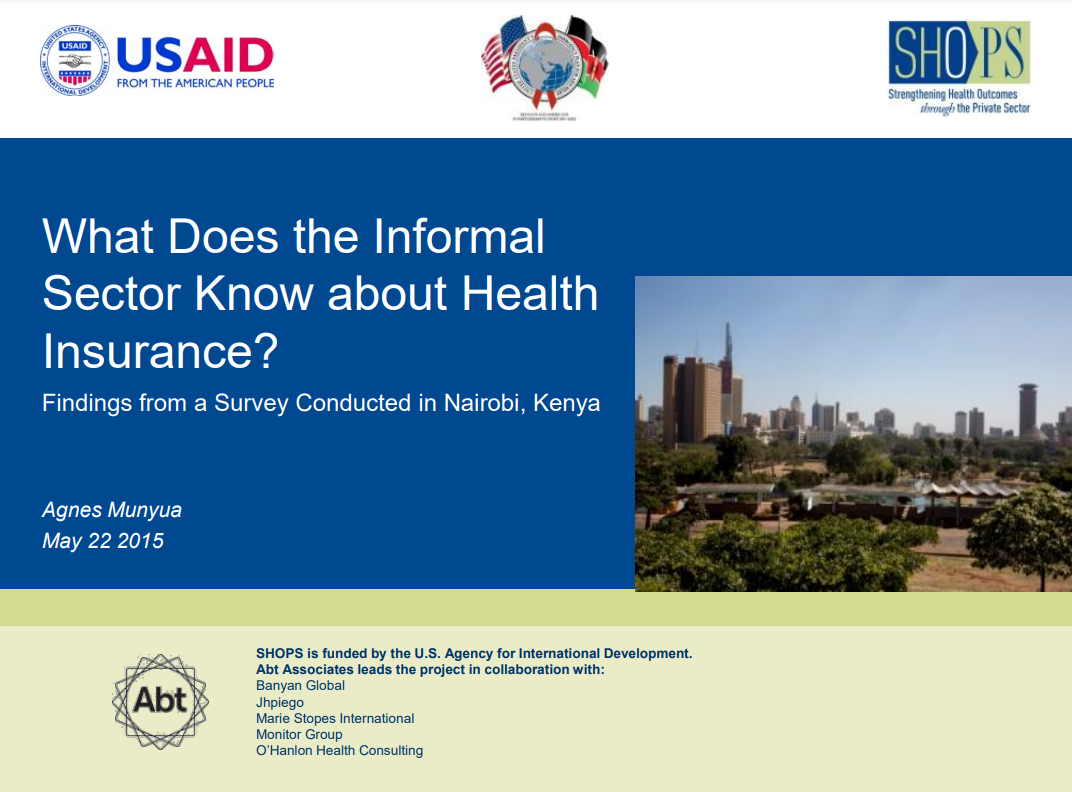
What Does the Informal Sector Know about Health Insurance?
Findings from a Survey Conducted in Nairobi, Kenya
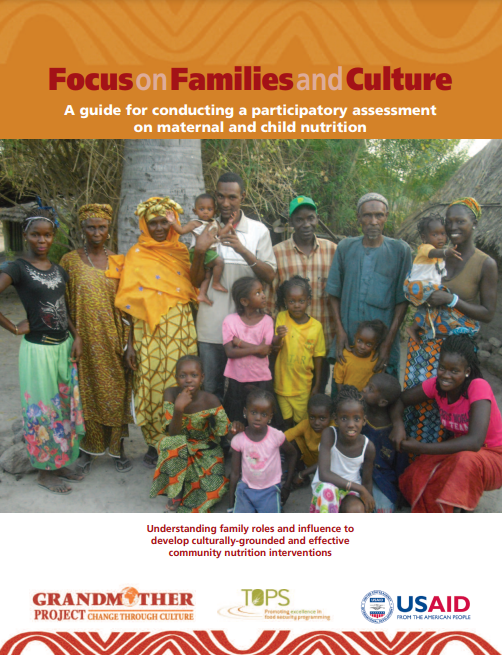
Focus on Families and Culture: A guide for conducting a participatory assessment on maternal and child nutrition (English & French)
The purpose of this document is to provide guidance on how to plan and carry out a rapid community assessment on family roles and influence related to the first critical 1,000 days of life i.e. during pregnancy, with newborns and young children up to two years of age.
What Does the Informal Sector Know about Health Insurance?
Findings from a Survey Conducted in Nairobi, Kenya
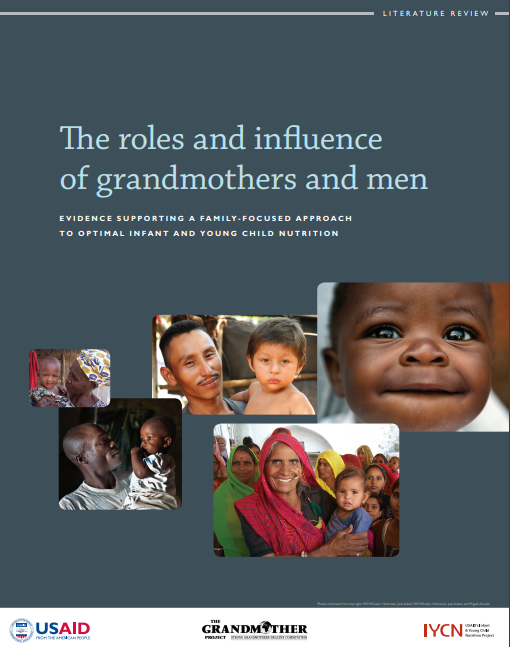
The Roles and Influence of Grandmothers and Men
This report reviews both published and gray literature from the past 25 years that addresses intrahousehold roles and dynamics related to infant and young child nutrition—specifically the roles and influence of senior women, or grandmothers, and men.